Address
304 North Cardinal
St. Dorchester Center, MA 02124
Work Hours
Monday to Friday: 7AM - 7PM
Weekend: 10AM - 5PM
Address
304 North Cardinal
St. Dorchester Center, MA 02124
Work Hours
Monday to Friday: 7AM - 7PM
Weekend: 10AM - 5PM
Custom Figure Factory
Custom Figure Factory
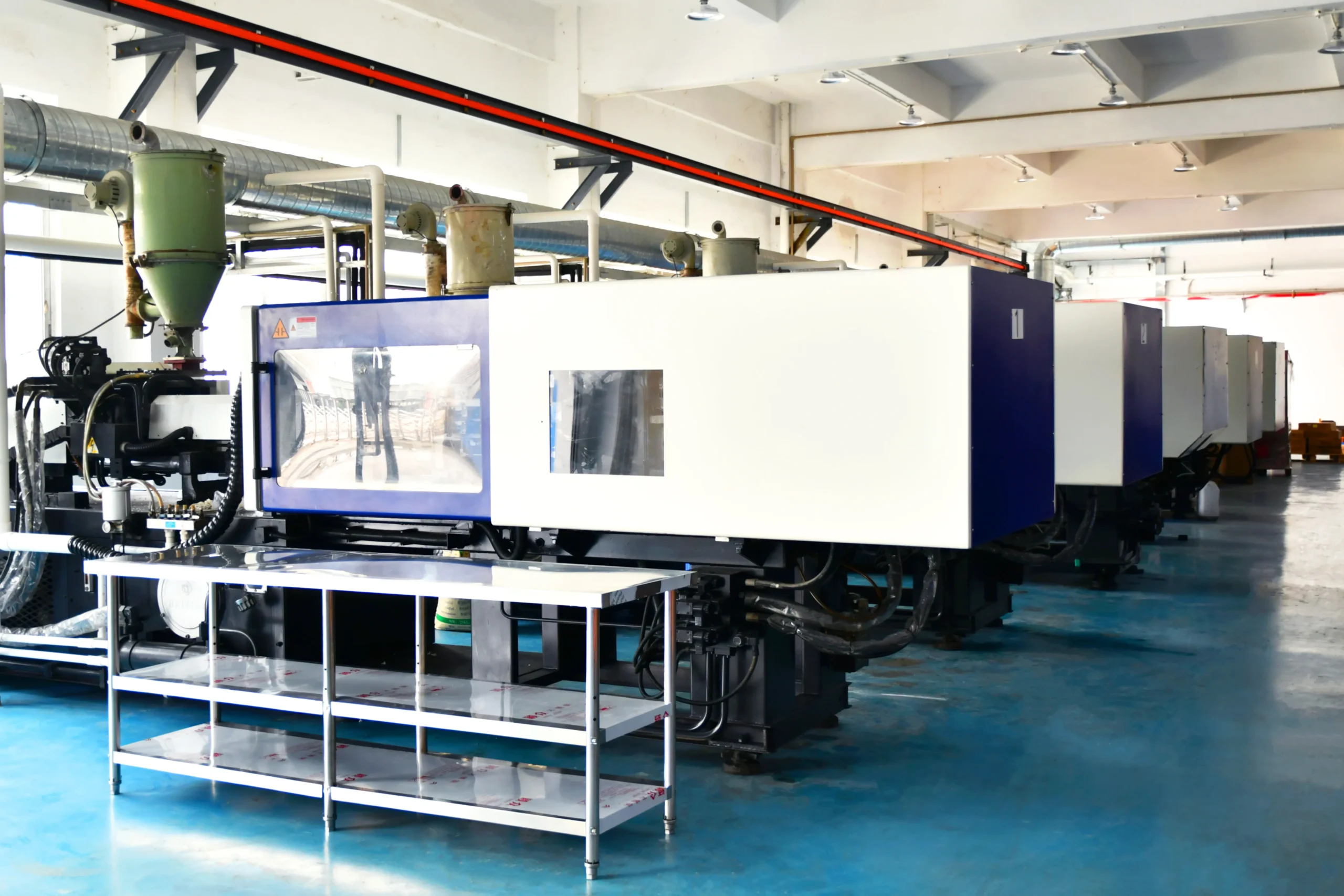
PVC injection molding is the mainstream manufacturing process for mass-produced collectible figures, including anime statues, character figurines, and commercial retail toys. Unlike rotocasting — which creates hollow vinyl toys by coating the inner wall of a rotating heated mold — injection molding injects molten PVC into a fully sealed steel mold under high pressure, producing solid, high-precision figures with crisp, sharp details.
The entire production logic is straightforward yet highly efficient: solid PVC pellets are melted in a temperature-controlled barrel, then force-injected into precision steel molds. After rapid cooling and solidification, complete solid figure blanks are ejected. This process enables mass production of highly consistent, intricately detailed collectibles, making it the top choice for large-volume toy manufacturing.
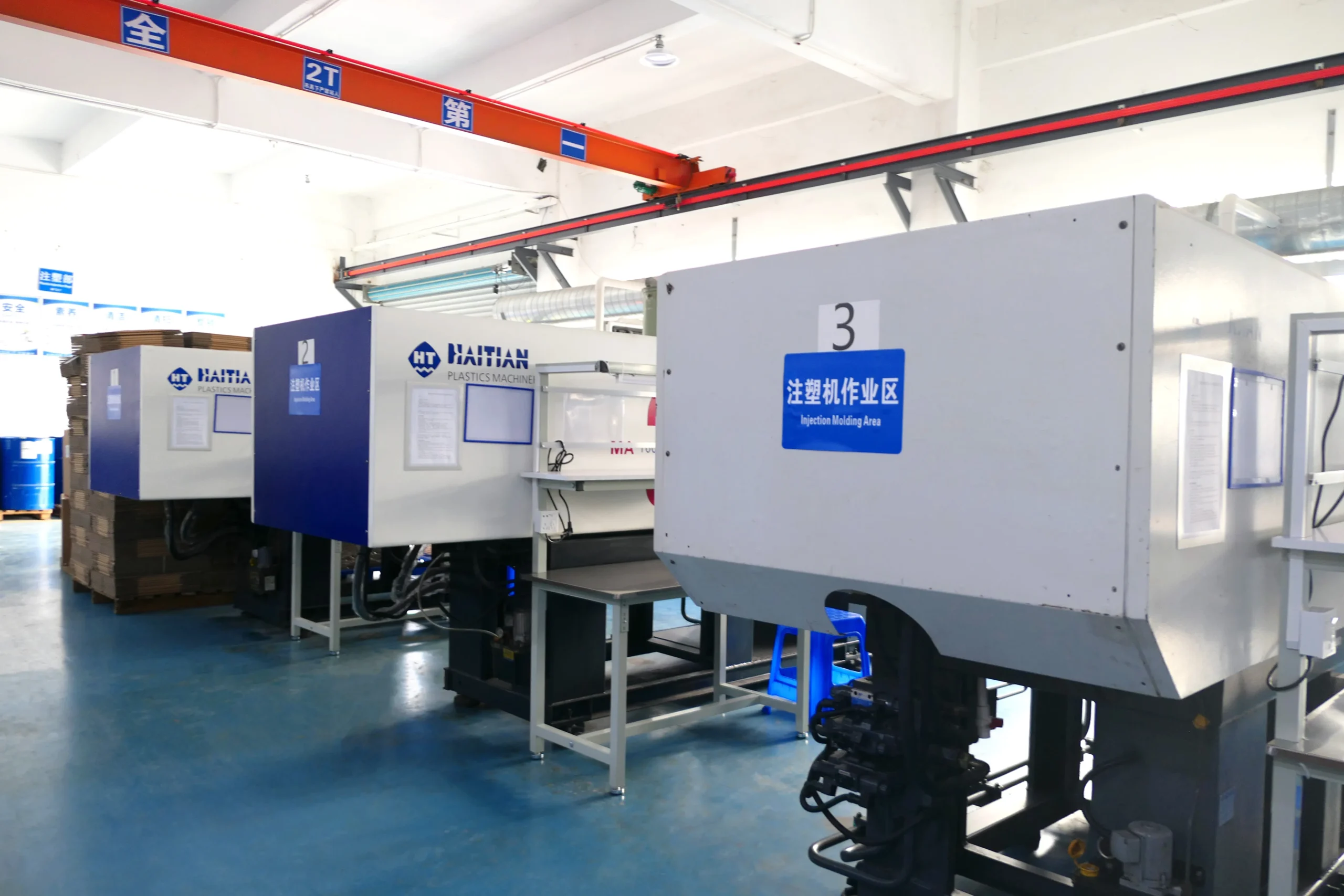
Manufacturers select matched PVC materials based on the figure’s structural and functional requirements, including rigid PVC for hard, high-detail statues and plasticized flexible PVC for bendable, articulated parts. All PVC pellets are first dried to eliminate moisture defects, then fed into the injection molding machine’s hopper.
The pellets are transported to a heating barrel and heated steadily at 180–220°C to form a uniform, flowable molten state. Strict temperature control is critical: exceeding 230°C will cause PVC thermal decomposition and release harmful hydrochloric acid gas. Modern injection molding equipment is equipped with segmented precise temperature control and professional ventilation systems to ensure production safety and product quality.
A reciprocating screw rod pushes the molten PVC forward at high speed, injecting it into every corner of the sealed mold cavity through a reserved gate. The entire process adopts a clamping force of 800 to 1,500 tons, which ensures the molten plastic fully fills fine textures, grooves, and edge structures that rotocasting cannot replicate.
After the mold cavity is completely filled, the machine maintains stable pressure for 2–5 seconds for material packing. This step effectively compensates for plastic shrinkage during cooling, avoids surface depressions, missing details or structural gaps, and guarantees the dimensional accuracy of finished figures.
Precision cooling channels are built into the steel mold, which circulate water or oil to quickly and evenly reduce the temperature of the molten PVC. The cooling cycle varies by part thickness: thin-walled structures finish cooling in 15 seconds, while thick or complex parts require 35–45 seconds.
Once the PVC is completely solidified and shaped, the mold opens automatically, and built-in ejector pins push the intact solid figure blank out of the mold. The machine then resets to start the next production cycle, realizing continuous automated production.
The ejected raw figure has minor process accessories, including gate marks at the plastic injection port and thin flash excess material at the mold parting line. Workers trim and polish these parts to smooth the figure surface.
The trimmed blanks then enter the coloring process: base colors are evenly sprayed through customized masking jigs, while tiny details such as eyes, logos and pattern accents are manually painted or airbrushed. For multi-part movable action figures, independent components are painted first, then assembled via clamping, gluing or plug-in structures, with accessories such as weapons and replacement parts installed in place.
The two mainstream PVC toy manufacturing processes apply to completely different design aesthetics, production volumes and budget scenarios. The detailed comparison is as follows:
| Comparison Factor | PVC Injection Molding | Rotocasting (Vinyl Sofubi) |
|---|---|---|
| Internal Structure | Solid, sturdy and durable | Hollow, lightweight and slightly flexible |
| Detail Performance | Excellent, sharp edges and ultra-fine textures | Good, soft rounded edges, no extreme fine details |
| Single Cycle Time | 15–45 seconds | 3–8 minutes |
| Daily Output (Per Mold) | 2,000–5,000 cycles | 20–50 cycles |
| Mold Manufacturing Cost | USD 3,000–15,000 | USD 2,000–8,000 |
| Applicable Production Volume | 1,000–100,000+ pieces (mass production) | 300–2,000 pieces (small-batch customized art toys) |
| Best Application Scenarios | Anime figures, retail collectibles, movable action figures | Designer art toys, Japanese sofubi, limited-edition hollow ornaments |
Selection Rule: Choose injection molding for large-batch, high-precision, durable commercial collectibles; opt for rotocasting if you pursue a handmade texture, soft organic shape and lightweight hollow art toy style.
Manufacturers match different PVC materials according to product usage scenarios, hardness and flexibility requirements. The three mainstream materials are as follows:
Hardness: Shore D 60–80. It is the standard material for most anime statues and high-precision collectible figurines. Featuring high hardness, stable dimensional performance and strong detail retention, it can perfectly restore complex line textures and is widely used in customized PVC art collections.
Hardness: Shore A 70–90. It contains 20%–40% plasticizer, with good toughness and bending resistance. It is mainly used for articulated joints of movable action figures, squeezable decorative toys and other parts that need flexible activity.
By blending PVC with ABS resin, the material retains PVC’s excellent detail presentation while improving impact resistance and drop resistance. It is the preferred material for movable action figures and daily-play toys that require high durability.
Injection molds bear ultra-high pressure during production, so they adopt high-hardness steel (P20/H13 grade) CNC finishing, with higher manufacturing precision and cost than rotocasting molds. The mold cost and cycle vary by complexity:
| Mold Complexity | Total Cost | Applicable Products |
|---|---|---|
| Simple (2-part, 2-cavity) | USD 3,000–5,000 | Small figure accessories, display bases, simple ornaments |
| Medium (4–6 parts, multi-cavity) | USD 5,000–10,000 | Standard customized collectible figures, conventional character figurines |
| Complex (8+ parts, hot runner system) | USD 10,000–15,000 | High-detail anime figures, multi-joint movable action figures |
Production Cycle: The whole mold manufacturing process takes 30–45 days, including CNC machining, inner wall mirror polishing, cooling channel layout, ejector pin and gating system installation, and repeated mold testing and calibration. The finished mold can support tens of thousands of stable production cycles with high consistency.
Our factory provides dual-process production services of injection molding and rotocasting. We support customized production based on your 2D drawings (JPG/PNG/AI/PSD) and 3D model files (STL/OBJ/FBX/STP). We also provide professional 3D sculpting and prototype revision services for clients without 3D models. We will recommend the most suitable production process according to your design style, customized size, production quantity and budget, to maximize product quality and cost performance.
