Address
304 North Cardinal
St. Dorchester Center, MA 02124
Work Hours
Monday to Friday: 7AM - 7PM
Weekend: 10AM - 5PM
Address
304 North Cardinal
St. Dorchester Center, MA 02124
Work Hours
Monday to Friday: 7AM - 7PM
Weekend: 10AM - 5PM
Custom Figure Factory
Custom Figure Factory
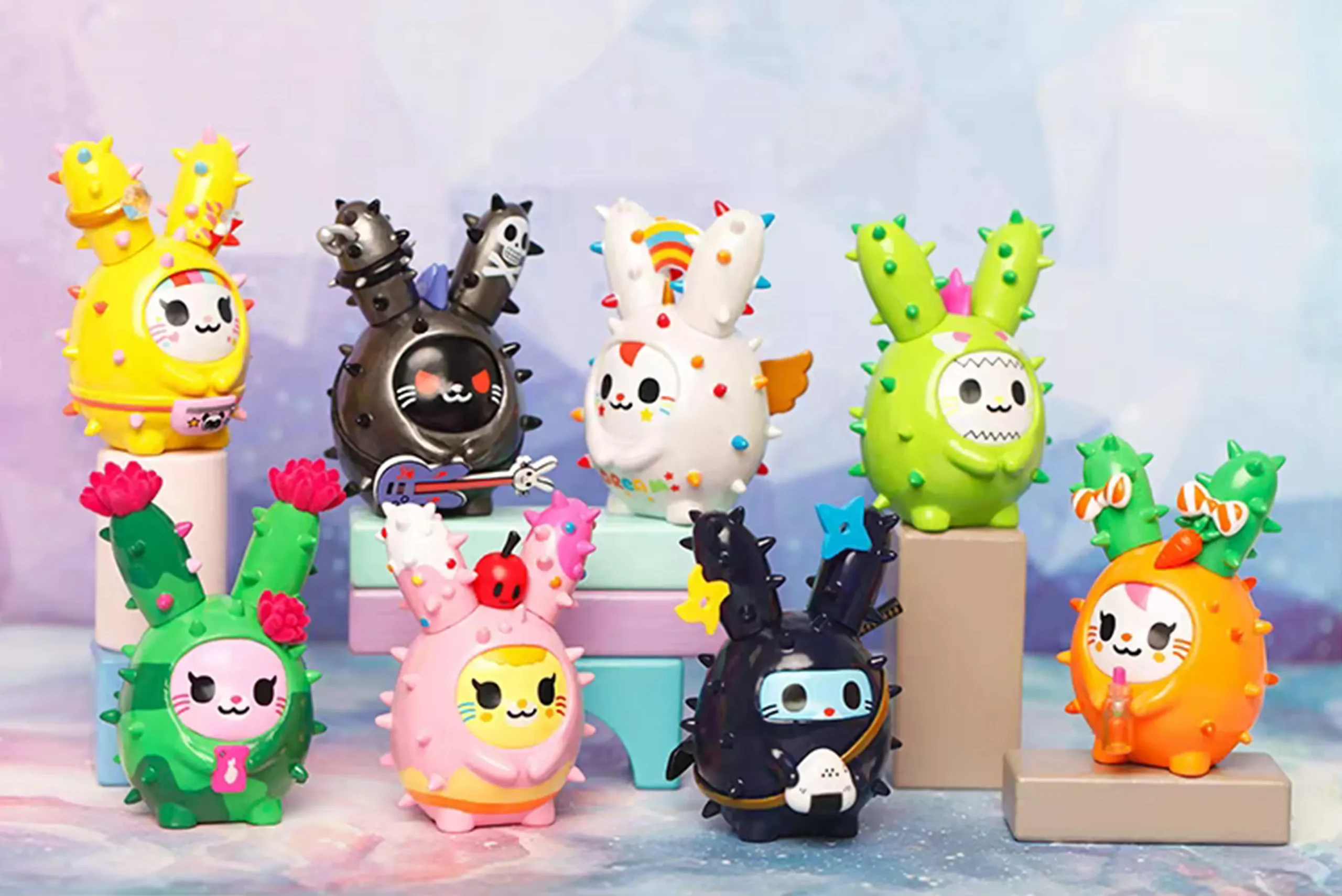
A custom blind box is a sealed retail package containing one mystery figure from a pre-defined series. The buyer knows the series, the price and the rough style — but does not know which specific variant they will receive until they open the box. The surprise is the product. The thrill of opening drives repeat purchase, set completion, and a healthy secondary market for sealed collectibles.
RRarity ratios are the most critical commercial decision for any blind box series. They shape collector behaviour, perceived value of chase and secret figures, repeat purchase rates, and resale market demand. Below is our recommended probability setup for a debut series:
For every batch of 144 sealed boxes, the total 144 figures are allocated following the above odds:
Our packing station uses randomised sorting. Variants are shuffled and sealed into inner bags before outer boxes are packed. The full series BOM will be reviewed and confirmed with you before production is finalised.before production locks.
Blind box projects take longer than standard toy orders due to multiple character variants, inner sealing, and mixed-SKU random packing. Below is our streamlined workflow.
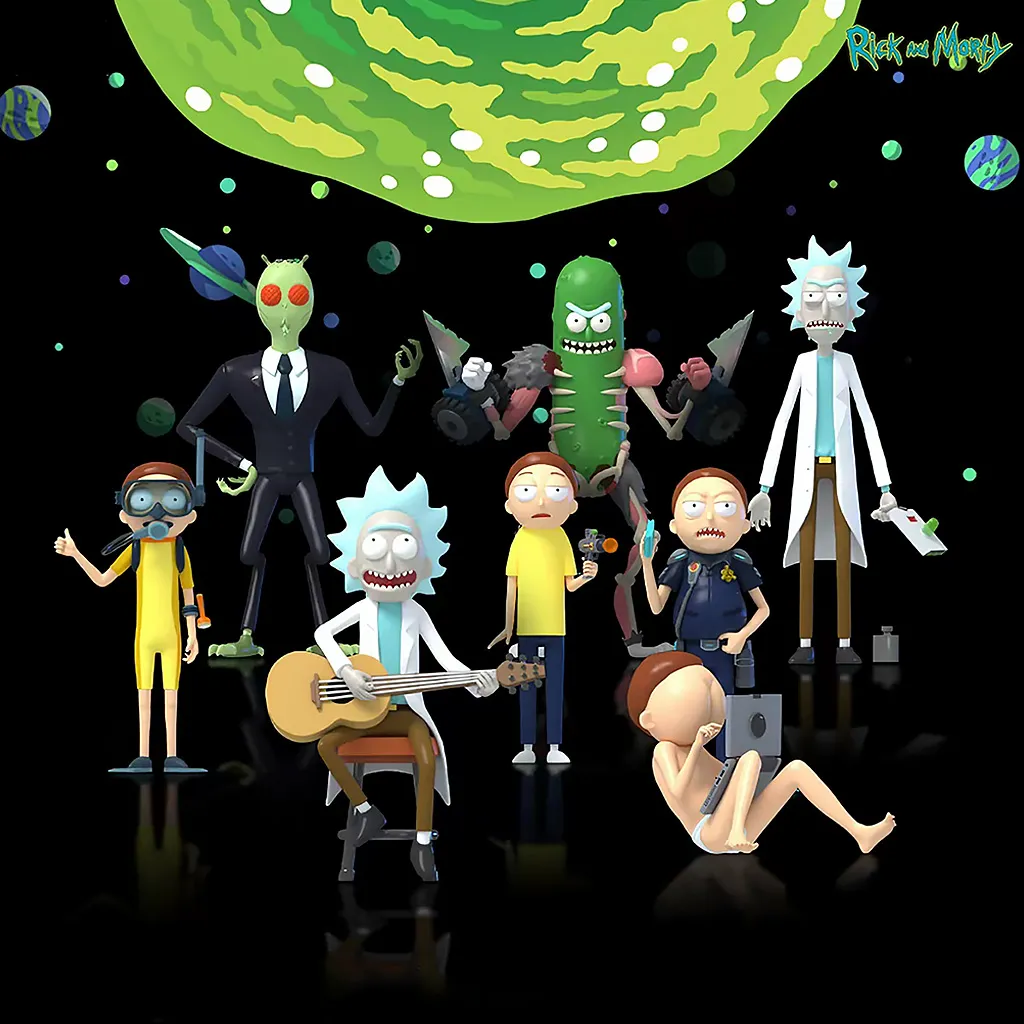
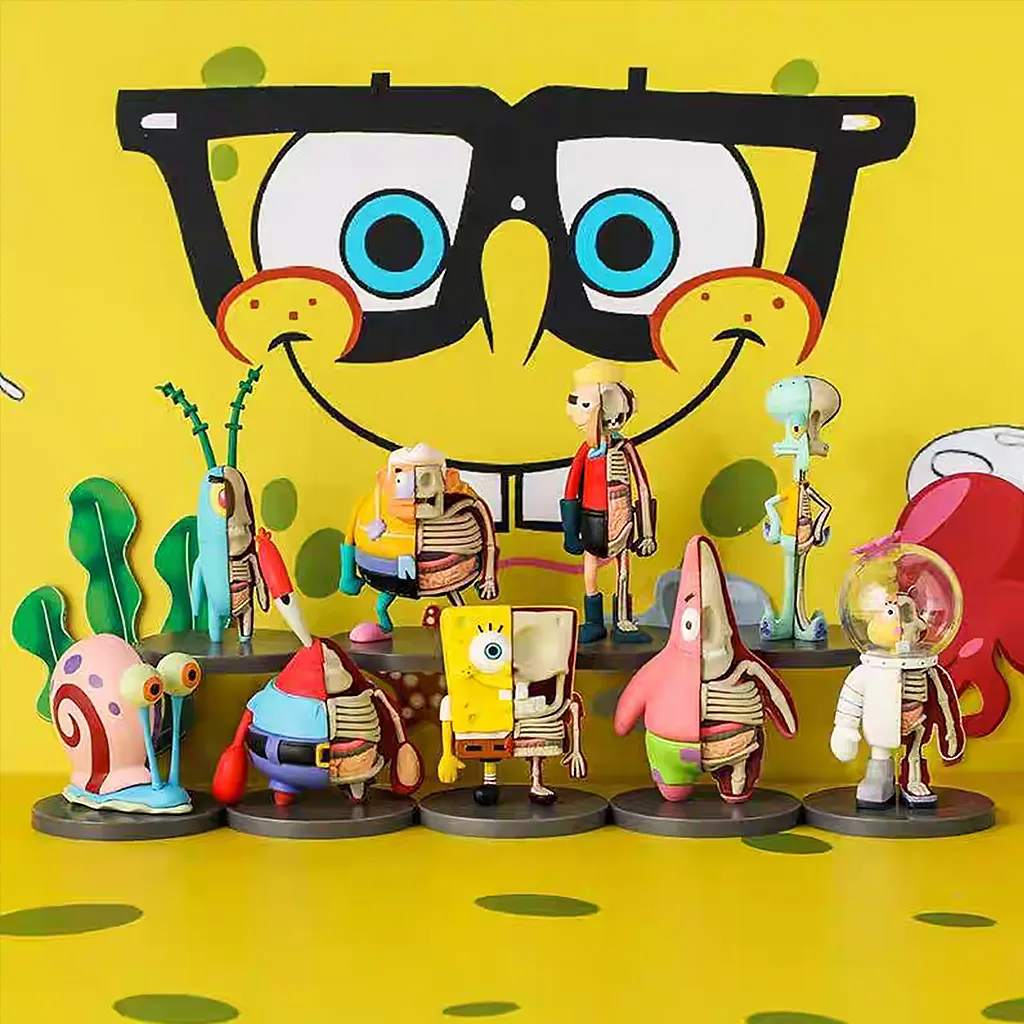
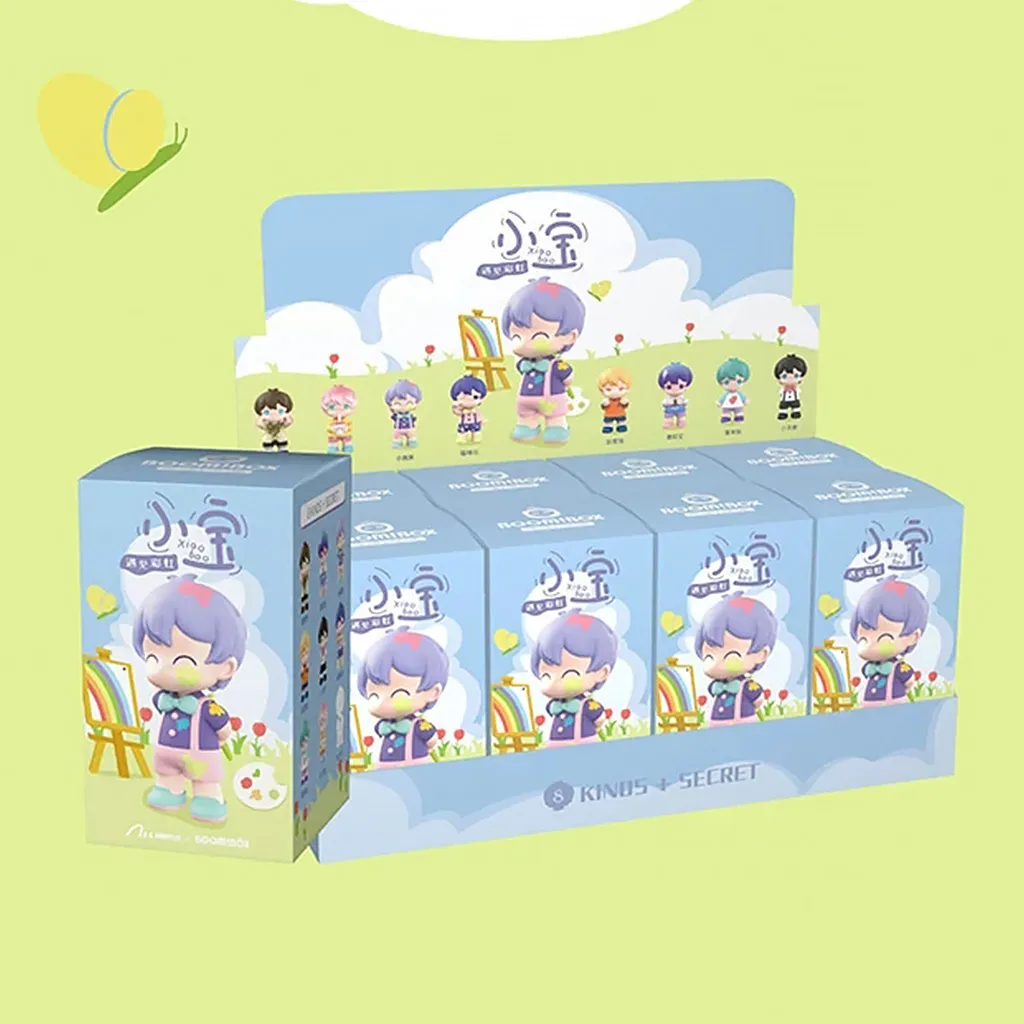
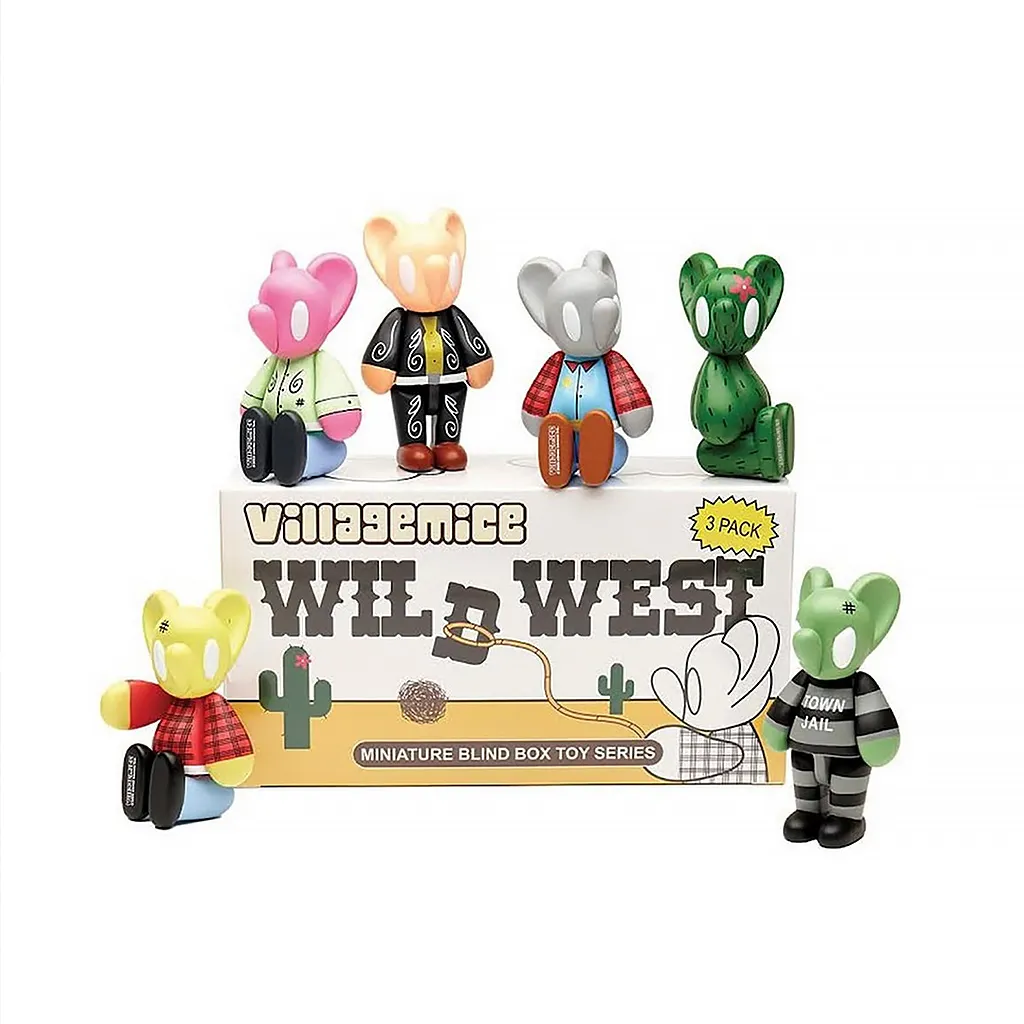
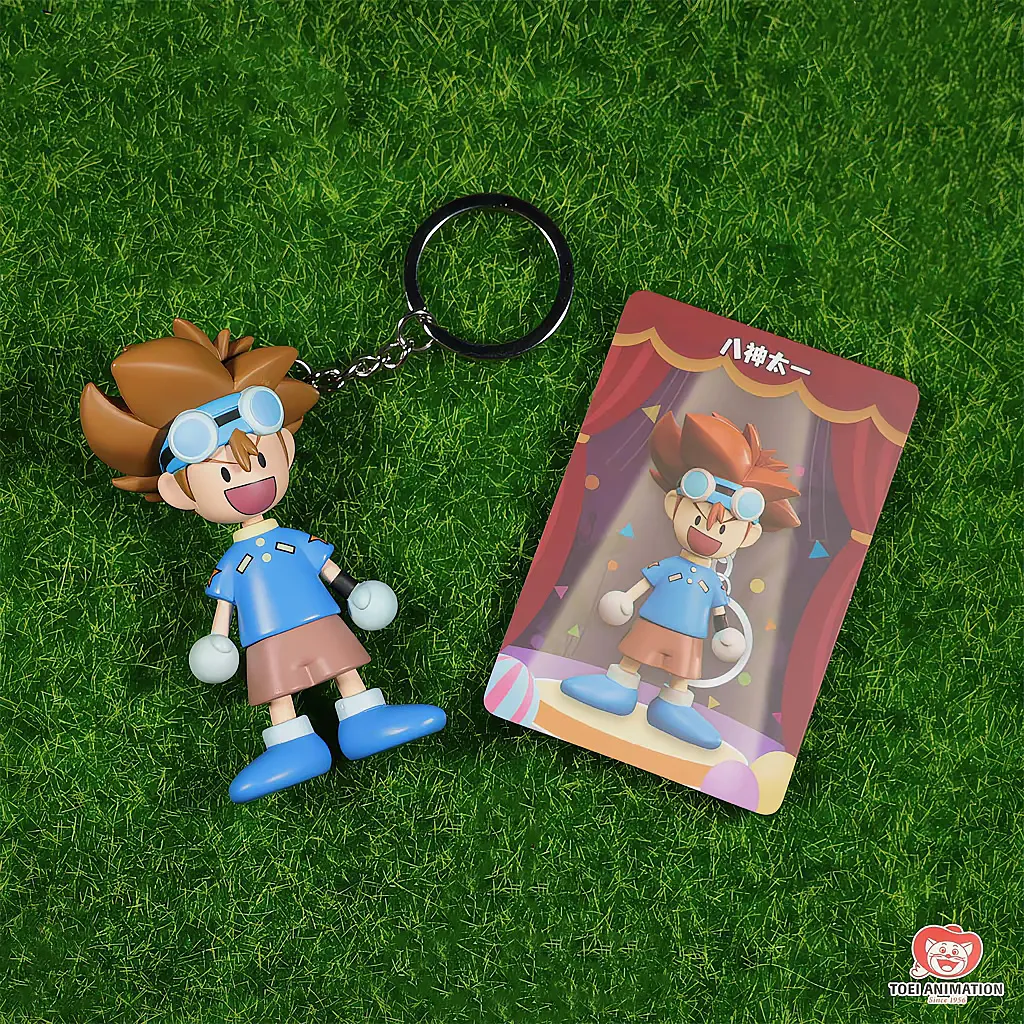
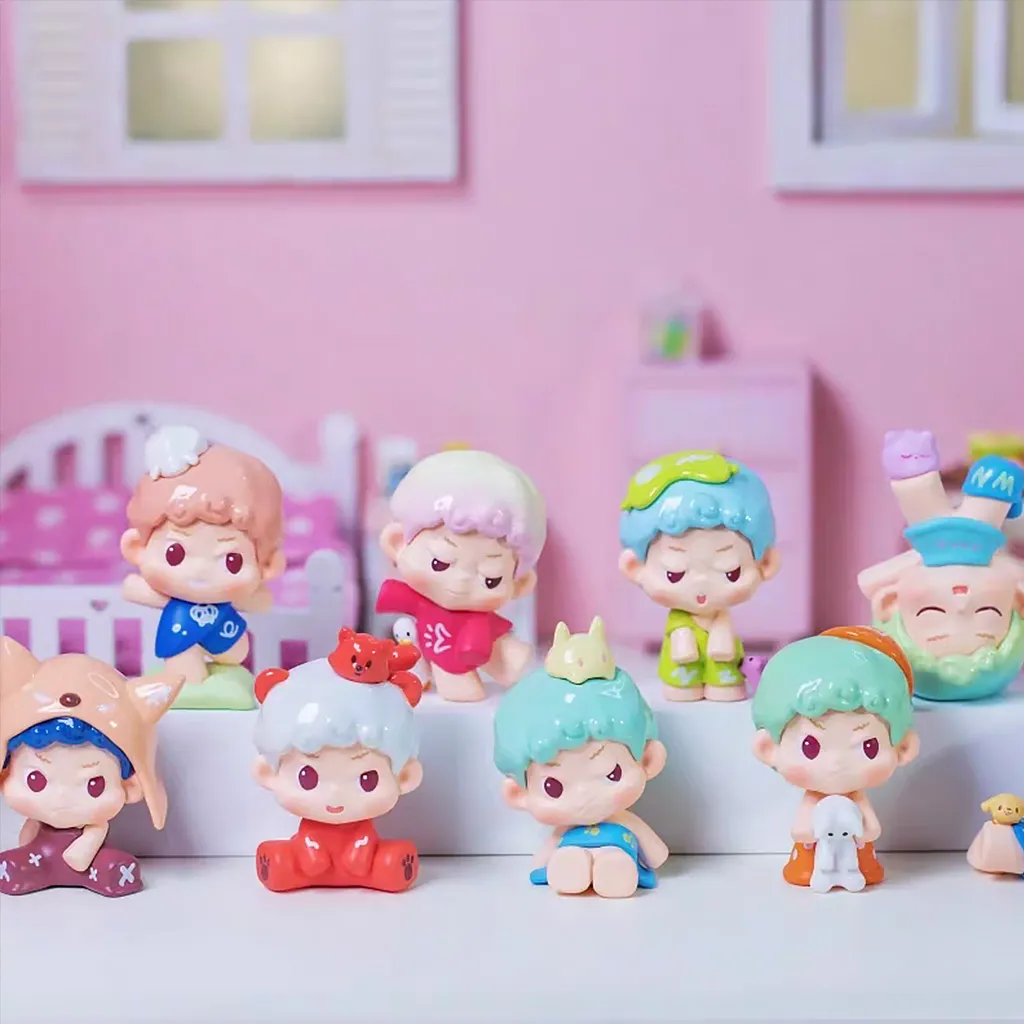
PVC and ABS are the mainstream choices for mass‑produced blind boxes, delivering stable detail reproduction and cost‑effective injection molding. Soft vinyl (sofubi) creates classic hollow soft‑texture collectibles. Resin is mainly used for high‑detail prototype samples. We also support plush‑fabric blind‑box dolls.
Yes. We follow your defined probability rules for regular, rare and secret chase figures. Our factory implements strict internal batch‑packing management to meet your published series odds.
You can provide character sketches, reference art, or finished 3D files. Please also share your planned character list and chase‑figure probability requirements. Our design team can complete full‑series 3D sculpting from 2D references.
Static blind‑box figures have no movable joints, lower mold‑tooling cost and are the most common retail format. Mini action‑figure blind boxes add articulated joint structures and interchangeable small accessories, which increase mold complexity and overall project cost.
Mold‑tooling cost rises with the number of unique characters in one series. Material choice, painting complexity and full‑custom packaging also influence pricing. MOQ is negotiable; contact our sales team with your series brief for a formal quotation.