Address
304 North Cardinal
St. Dorchester Center, MA 02124
Work Hours
Monday to Friday: 7AM - 7PM
Weekend: 10AM - 5PM
Address
304 North Cardinal
St. Dorchester Center, MA 02124
Work Hours
Monday to Friday: 7AM - 7PM
Weekend: 10AM - 5PM
Custom Figure Factory
Custom Figure Factory
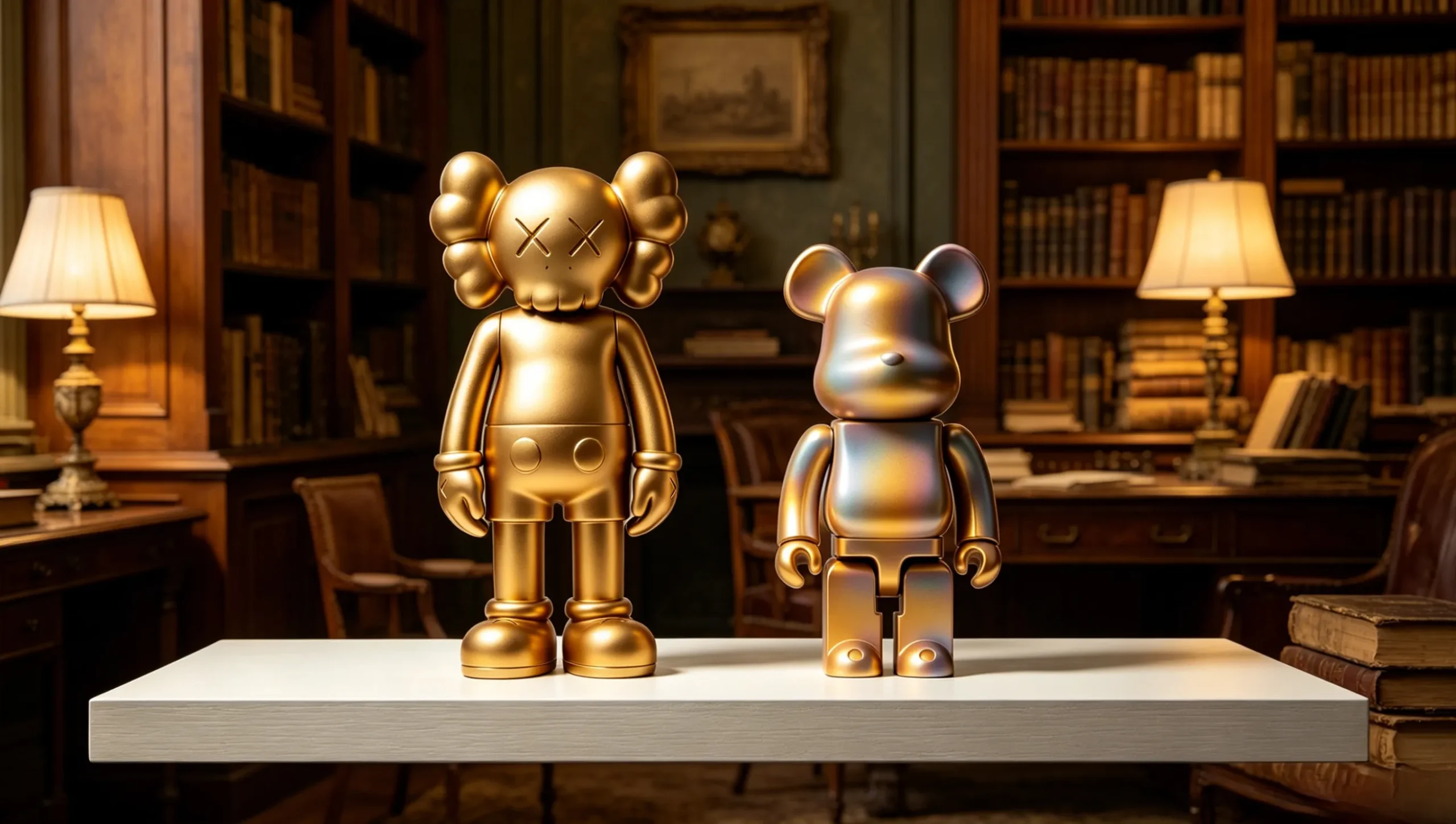
Ever spotted a uniquely striking figurine on a friend’s desk—one with understated charm that’s hard to look away from? Or seen crowds lining up to grab limited-edition collectibles online? Chances are, you’ve encountered designer toys. But what exactly are they? How do they differ from ordinary kids’ toys sold in supermarkets? And why can these small figures fetch hundreds, or even thousands of dollars?
From Street Art to 3D Art Pieces
Designer toys, also known as art toys or physical carriers of original IP, originated from the street art culture in Europe and the United States in the late 1990s. They were the brainchild of illustrators, graffiti artists, graphic designers and other creative practitioners, who sought to break the limits of two-dimensional wall art and bring their original characters to life as tangible, three-dimensional collectibles.
Many iconic names pioneered this trend. KAWS first rose to fame by reimagining bus stop advertisements in New York, later turning his signature “XX” eyes into classic vinyl figures. Japan’s MEDICOM TOY is another trailblazer, whose BE@RBRICK remains a crown jewel in the art toy collecting world.
During the same period, independent designers in Hong Kong and Japan were exploring similar creations, which explains the debate over whether designer toys originated in the West or Asia. Regardless of its birthplace, this art form shares a core spirit: rooted in street culture, it embodies a rebellious and unconventional attitude. Produced in limited runs and rarely low-priced, designer toys long remained a niche hobby shared only by a tight-knit community of insiders.
Designer Toys vs. Regular Toys
Place a regular children’s toy beside a designer toy, and the difference is instantly clear. Kids’ toys are made to be played with—tugged, squeezed and tossed around. Designer toys, by contrast, are meant to be displayed: placed on shelves, gently dusted occasionally, and admired up close. This distinction stems from four key traits:
1. Artistic Value
Designer toys are not mass-produced generic goods. Each piece is crafted by a specific creator, be it an illustrator or street artist. Every character conveys the creator’s ideas, emotions, playful commentary on pop culture, or unique aesthetic. Among collectors, these figurines are said to possess distinct “personalities”.
2. Scarcity
Most designer toys are released in strictly limited quantities. Some are hand-cast with only dozens of pieces in existence. Even factory-produced lines stick to small production runs. The “chase figures” in blind boxes follow the same logic: intentional scarcity. Rarity boosts collectible value and fuels a thriving secondary market. A figurine originally priced at $100 can easily double, triple, or even surge tenfold in value once it gains popularity.
3. Community Bonding
Collecting designer toys is more than just owning items. Enthusiasts share photos, exchange views on social media, group chats and forums. They discuss new releases, compare colorways, and plan trips to exclusive convention drops. A rich set of industry jargon has also emerged—Sofubi (Japanese soft vinyl toys), vinyl figure, full case buy, box shaking, to name a few. Mastering this lingo is a way to connect and belong to the community.
4. Decorative & Emotional Appeal
For many collectors, the appeal is simple: these toys are visually pleasing and bring joy to daily life. Though inanimate, they sit quietly on desks like an unspoken story. For Gen Z especially, designer toys have become a subtle form of self-expression—their collection speaks for their personality and taste.
Diverse Styles & Materials
The world of designer toys is far more varied than most people realize. Popular categories include:
Sizes range from tiny keychain ornaments to large display pieces over 12 inches tall. Beyond vinyl and resin, materials include wood, metal, plush fabric, latex and more.
A common misconception: “vinyl figure” refers to a production technique, not a material—the main material used is PVC vinyl. Meanwhile, the widely popular term Sofubi translates to “soft vinyl” in Japanese, describing a semi-translucent, soft-textured vinyl variant.
From Subculture to Mature Industry Chain
In the early 2000s, designer toys gradually merged with animation, film, fashion and mainstream pop culture in the West. KAWS launched collaborations with Uniqlo, while BE@RBRICK has partnered with countless streetwear brands.
As the trend swept across mainland China, it expanded rapidly. Blind boxes, scale figures and BJDs were all grouped under the broader category of trendy toys. Prices vary drastically, from a few dollars for casual blind bags to thousands of dollars for large-scale resin sculptures.
Today, designer toys are no longer confined to a small circle of hardcore fans. A complete industrial chain has taken shape, covering design, manufacturing, retail, secondary trading platforms and international toy expos. Independent designers can launch limited works via crowdfunding, while major brands leverage blind box marketing to push original IP into the mainstream.
The Essence of a Designer Toy
At its core, a designer toy is first and foremost an artistic creation crafted by an artist, loved for its unique charm. On a broader level, it reflects the vibes of contemporary culture—evolving from street subculture and commercial crossovers to becoming quiet companions in people’s daily lives. It never preaches, but simply stays there, inviting you to pause and appreciate it again and again.
If you hold one in your hand right now, take a moment to observe its expression, color palette and pose. This is likely the unfinished story the artist wanted to tell.
