Address
304 North Cardinal
St. Dorchester Center, MA 02124
Work Hours
Monday to Friday: 7AM - 7PM
Weekend: 10AM - 5PM
Address
304 North Cardinal
St. Dorchester Center, MA 02124
Work Hours
Monday to Friday: 7AM - 7PM
Weekend: 10AM - 5PM
Custom Figure Factory
Custom Figure Factory
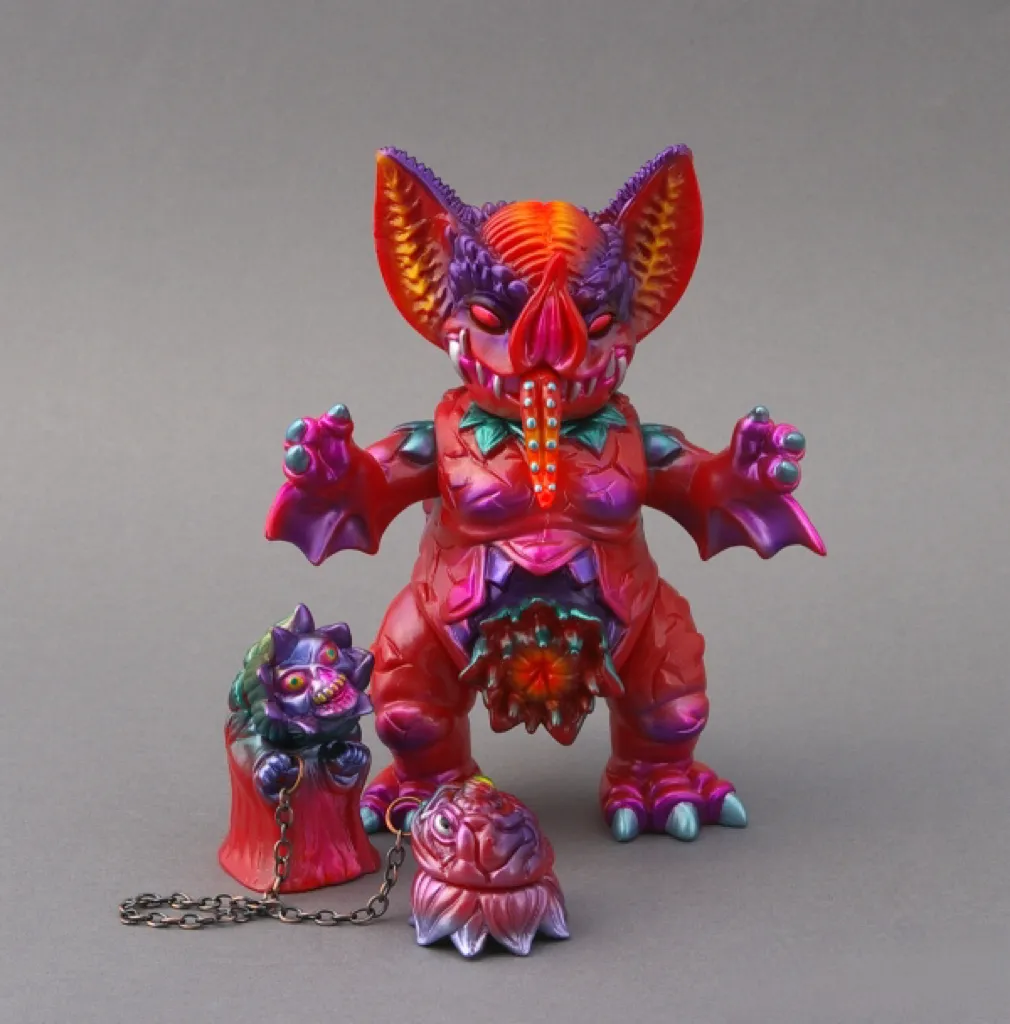
Sofubi and PVC are both common vinyl materials for collectible toys, yet they differ significantly in formula, texture, and application. Derived from the Japanese term sofubi (ソフビ), meaning “soft vinyl”, sofubi is a specialized vinyl blend with a high plasticizer concentration that delivers exceptional softness and flexibility. PVC (polyvinyl chloride) is a broad-category rigid vinyl material, covering everything from industrial plumbing pipes to hard-bodied toy figures.
When toy collectors and creators compare sofubi and standard PVC, they are distinguishing two distinct formulations on the vinyl material spectrum: soft, squeezable sofubi and firm, rigid standard PVC. Both rely on the rotocasting manufacturing process, but their tactile feel, structural performance, and aesthetic characteristics are entirely different.
Here is the simplest way to tell them apart: A sofubi figure yields and deforms slightly when squeezed, while a standard PVC figure remains stiff and solid. This core difference is driven solely by plasticizer content in the material formula.
Literally translating to “soft vinyl” in Japanese, the term “sofubi” originated in the 1960s, when Japanese toy manufacturers began producing hollow vinyl kaiju (monster) toys — iconic characters from tokusatsu franchises such as Godzilla and Ultraman. Unlike the rigid hard plastic toys dominant in that era, these vinyl figures featured a unique rubbery, soft tactile feel that quickly gained popularity.
Today, sofubi is deeply tied to Japanese designer toy culture. Renowned vintage brands including Bullmark and Marusan, alongside contemporary independent artists, continue to craft sofubi art toys that embrace a handmade, imperfect retro aesthetic. Visible mold seams, minor batch-to-batch color variations, and signature soft tactility are intentional design features, not manufacturing flaws.
In the global designer toy industry, sofubi stands for handcrafted, limited-edition art toys — a stark contrast to mass-produced standard PVC collectibles.
The fundamental distinction between the two materials lies in their plasticizer ratio, which dictates all physical and visual differences. Below is a detailed side-by-side performance comparison:
| Property | Sofubi (Soft Vinyl) | Standard PVC (Hard Vinyl) |
|---|---|---|
| Hardness (Shore A) | 50–70 | 70–85 |
| Flexibility | High — easily squeezable and bendable | Low — firm, rigid, and non-deformable |
| Weight | Light (hollow rotocast structure) | Light (hollow rotocast structure) |
| Detail Performance | Solid with soft, rounded edges | Superior with ultra-sharp edges and fine textures |
| Seam Lines | Visible (embraced as a core retro aesthetic) | Minimized and tightly trimmed for a clean finish |
| Durability | Excellent — flexible structure resists cracking | Superior — rigid build offers strong impact resistance |
| Core Aesthetic | Handmade, organic, vintage retro style | Precise, sleek, modern commercial style |
| Manufacturing Process | Rotocasting | Rotocasting |
Sofubi formulas contain 30–50% plasticizer by weight, creating its signature soft, squishy texture. In contrast, standard PVC only includes 10–25% plasticizer, resulting in a stiff, rigid finish ideal for precise detailing.
Sofubi and standard PVC share the exact same rotocasting production workflow — the only variable is the raw material formula. The production process begins with pouring liquid high-plasticizer soft vinyl compound into a hollow metal mold. The mold is heated and rotated on multiple axes, evenly coating the inner mold walls to form a hollow toy shell. Once fully cooled, the finished shell is demolded, trimmed, and hand-painted by artisans.
Thanks to its soft texture, sofubi releases from molds more smoothly than hard PVC, reducing trimming work and minimizing surface defects. However, its flexible material is more susceptible to warping if mold temperature and rotation speed are not precisely controlled during production.
Most sofubi production is based in Japan, with a small number of specialized Chinese factories also focusing on Japanese-style soft vinyl art toys. Unlike fast, high-volume injection molding, rotocasting for sofubi is labor-intensive and slow, limiting production runs to small batches of 200–500 pieces — far fewer than mass-produced PVC toys.
Neither material is universally superior — the best choice depends on your design style, target audience, aesthetic goals, and production volume.
The raw material cost difference between sofubi and standard PVC is minimal — sofubi compound only costs 10–15% more than regular PVC. The substantial retail price gap stems entirely from market positioning and product scarcity, not manufacturing costs.
Sofubi toys are released as small-batch limited editions (typically 200–500 units), positioned as premium art collectibles. A 300-piece run sofubi figure usually retails for $40–$80 USD. By comparison, a comparable-sized mass-produced PVC figure (2,000+ units) retails for just $15–$30 USD. The per-unit production cost is nearly identical; the higher sofubi price reflects its exclusivity and art-toy positioning.
Looking for a reliable manufacturer for custom sofubi or PVC collectible figures? Xingyi Toy boasts over 15 years of specialized experience in soft vinyl (sofubi) and hard PVC toy production. We provide one-stop full-service solutions, covering 3D sculpting, mold development, sample testing, and mass production, with a flexible MOQ starting at 300 pieces.
