Address
304 North Cardinal
St. Dorchester Center, MA 02124
Work Hours
Monday to Friday: 7AM - 7PM
Weekend: 10AM - 5PM
Address
304 North Cardinal
St. Dorchester Center, MA 02124
Work Hours
Monday to Friday: 7AM - 7PM
Weekend: 10AM - 5PM
Custom Figure Factory
Custom Figure Factory
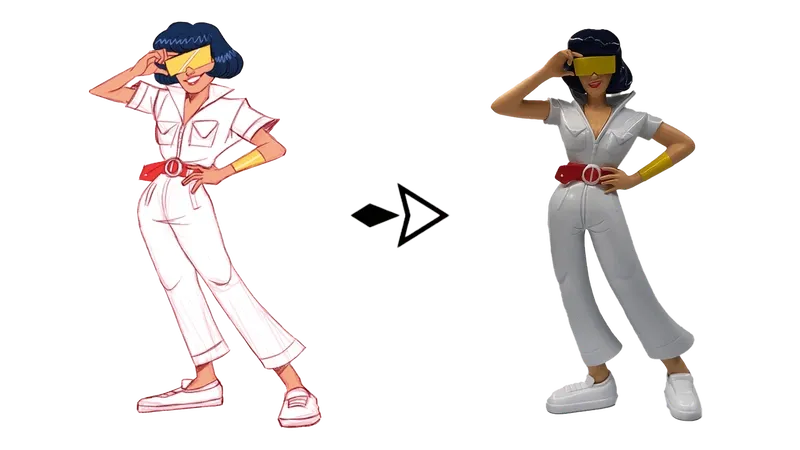
You’ve crafted a standout toy design — or perhaps just a rough sketch and a creative vision ready to take shape. You’re eager to turn your idea into tangible products, yet one critical question often causes confusion for new creators and brand owners: should you choose OEM or ODM manufacturing?
These two manufacturing terms are widely used in the custom toy industry, but they are far from identical. Your choice between OEM and ODM toy production will determine your upfront budget, launch timeline, intellectual property rights, product exclusivity, and long-term brand competitiveness. It decides whether your toys become exclusive, one-of-a-kind collectibles or generic products easily replicated in the market.
Grasping the core differences between OEM and ODM toy manufacturing is the foundation of making a smart, brand-aligned decision. Below is a detailed breakdown of the two models, covering their workflows, real-world costs, production timelines, and targeted use cases to help you pick the perfect solution for your project.
OEM stands for Original Equipment Manufacturing. Simply put, you provide the complete design, and the factory executes full production. You retain full ownership of the toy sculpt, custom molds, material formulas, and all intellectual property rights. The manufacturer acts only as a professional contract producer, with no ownership of the final product design.
To simplify the analogy: you are the architect with exclusive design blueprints, while the factory is a professional construction team that strictly follows your specifications. Among the two manufacturing modes, OEM delivers full design and production control — a fully customized solution built from the ground up for your brand.
OEM manufacturing involves a comprehensive, rigorous production process to ensure full customization and precise quality control:
1. Concept Confirmation: Finalize your initial creative ideas, sketches, or design drafts.
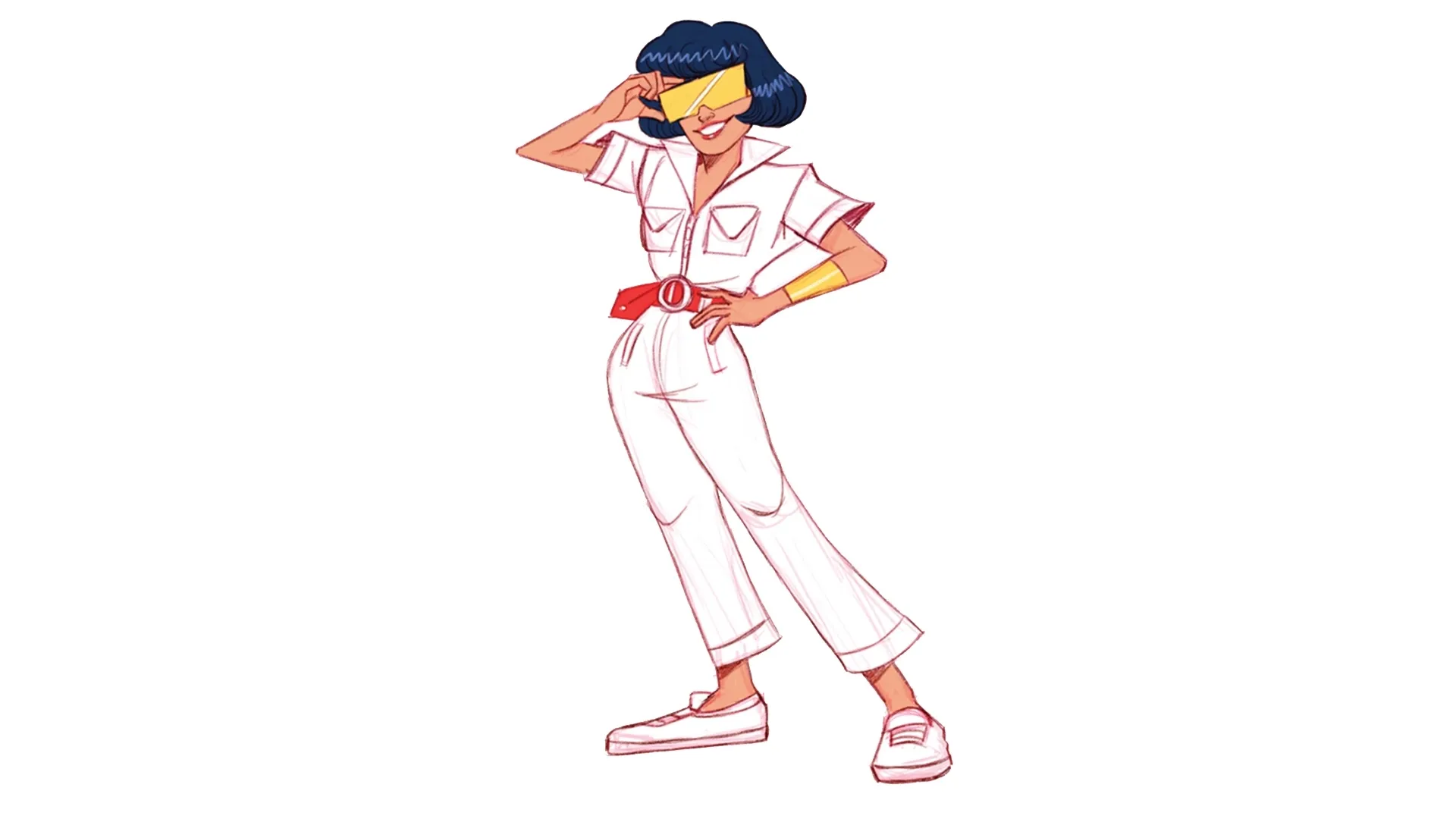
2. DFM Review: Professional engineering teams conduct manufacturability analysis to optimize designs for mass production and avoid technical flaws.
3. Prototype Development: Produce high-precision 3D-printed or hand-sculpted samples for design verification.
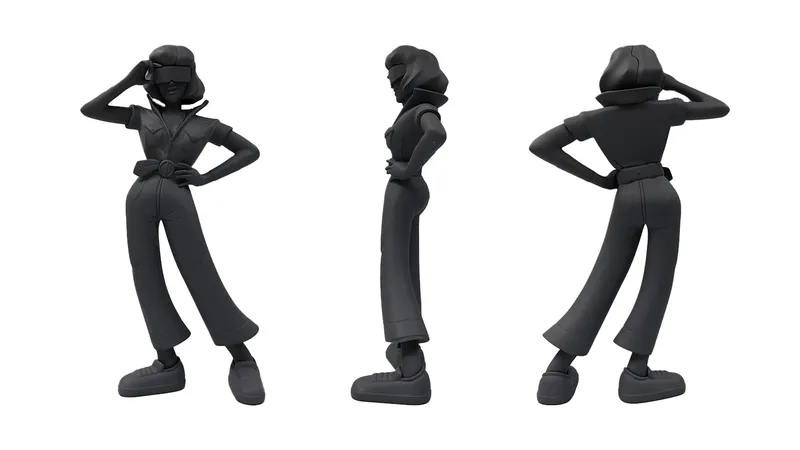
4. Custom Tooling: Fabricate exclusive steel molds according to your finalized design (the most cost-intensive and core step of OEM production).
5. T1/T2 Trial Corrections: Conduct multiple trial productions to fix structural, assembly, and surface defects.
6. Compliance Certification: Complete mandatory safety testing such as EN71, CPC, and other regional standard certifications.
7. Pilot Production: Run small-batch trial production to verify process stability and product consistency.
8. Mass Production: Launch formal full-scale manufacturing after full confirmation.
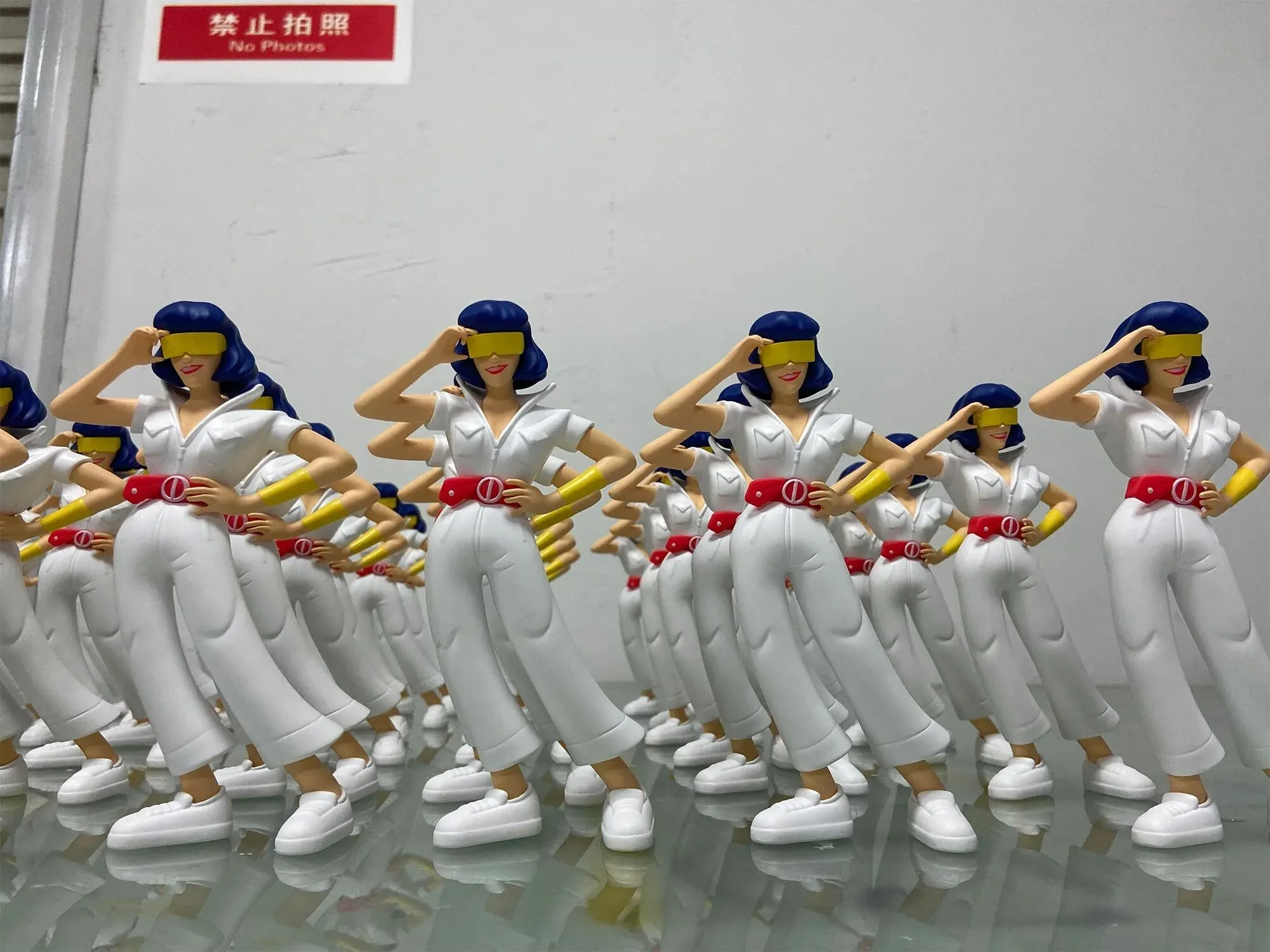
OEM features high upfront investment and a longer lead time, a key distinction most first-time creators overlook:
• Custom Mold Cost: $3,500–$10,000 for premium P20 steel molds
• Production Lead Time: 45–60 working days
• Industry Standard MOQ: 3,000 units
• Xingyi Toy Exclusive MOQ: Only 50 pieces, lowering the threshold for small brands and independent artists
• Unit Cost Advantage: 15–30% cost savings for bulk orders of 10,000+ units
The high tooling cost stems from fully customized steel molds tailored exclusively to your design specifications, with a single custom mold taking up to 42 days to fabricate. Crucially, the mold and all design rights belong permanently to you. Thanks to Xingyi Toy’s low 50-piece OEM MOQ, independent designers and emerging brands can own exclusive molds without overstocking massive inventories.
The value of OEM lies in granular, all-round control over your products. A factory owner once shared a vivid industry insight: two nearly identical toy parts on CAD renders can have different draft angles (1.5° vs 0.8°), and only the precision-customized OEM mold ensures smooth demolding and perfect production output.
This is the irreplaceable advantage of OEM: it bridges the gap between digital design renderings and real mass-produced products. OEM lets you customize every detail — from internal structural layouts and weighted bead distribution to exclusive material formulas and unique accessory assembly structures. It delivers fully proprietary products that no competitor can replicate or purchase from catalogs.
Main Limitation: As the IP owner, you are responsible for full safety compliance testing. You bear the cost and responsibility of modifying products if they fail certification tests.
ODM stands for Original Design Manufacturing. In simple terms, the factory owns the base toy design and molds, while you only customize surface details and branding.
It is equivalent to selecting a mature vehicle chassis from a manufacturer and customizing its paint color, interior details, and brand logos — the core structure and production molds are pre-built by the factory. ODM prioritizes fast market launch and low upfront costs over product exclusivity, making it the ideal entry option for new brands.
ODM skips complex mold development and design engineering processes, enabling ultra-fast production:
1. Browse Factory Catalogs: Select mature, in-stock base toy designs from the manufacturer’s existing lineup.
2. Select Base Models: Pick the design that best matches your brand positioning and creative vision.
3. Surface Customization: Modify colors, patterns, logos, and packaging according to your needs.
4. Brand Customization & Launch: Add your brand label and complete production for market release.
No custom tooling or full compliance testing is required, as all base ODM products already hold valid EN71, CPC, and other standard certifications. This is the most intuitive difference between OEM and ODM: ODM gets your products to market faster with minimal upfront investment.
ODM is the budget-friendly, low-risk, fast-track manufacturing solution for new product launches:
• Tooling Cost: $0–$500 (utilizes existing factory molds)
• Production Lead Time: 15–30 working days
• Industry Standard MOQ: 500 units
• Unit Cost: Fixed factory pricing with no additional volume discounts for large orders
The cost and speed advantages come from the factory’s pre-investment in mold development, safety certification, and production process debugging, eliminating your upfront R&D and tooling costs.
The biggest and most critical flaw of ODM is zero design and mold ownership. The base toy design, molds, and production rights all belong to the factory.
Even if you build a popular brand and market reputation for an ODM product, other competitors can purchase the exact same base design, add their own logos, and launch identical products. Additionally, the factory reserves the right to adjust product structures, discontinue styles, or revise pricing at any time, with no input or control from your brand. In short, ODM delivers speed and low costs at the expense of product exclusivity and long-term control.
The following intuitive comparison table summarizes the core differences between OEM and ODM manufacturing across all key decision-making factors, based on real factory data and production records:
| Decision Factor | OEM Toys | ODM Toys |
| Design & IP Ownership | 100% client-owned (full exclusivity) | Factory-owned (no exclusive rights) |
| Upfront Tooling Cost (USD) | 3,500–10,000 | 0–500 |
| Production Lead Time | 45–60 days | 15–30 days |
| Minimum Order Quantity (MOQ) | 50 pcs (Xingyi Toy exclusive) | 500 units (industry standard) |
| Structural Customization | Full custom shape & internal structure | Only surface color & logo customization |
| Safety Testing Burden | Full independent certification required | No retest needed (factory holds base certifications) |
| Scale Cost Advantage | 15–30% cheaper for 10k+ units | Fixed pricing with no volume discounts |
The gap between OEM and ODM extends far beyond cost and timeline — it determines your brand’s product barriers, market uniqueness, and long-term development potential.
There is no one-size-fits-all best option — only the most suitable solution for your current brand stage, budget, and goals.
• Need to test the market quickly: Verify product demand and market feedback without heavy upfront investment.
• Have a limited startup budget: Avoid high mold R&D costs with near-zero upfront tooling fees.
• Prioritize launch speed over uniqueness: Meet seasonal promotions, event marketing, or time-sensitive shelf launch demands.
• Run private label/white label business: Customize logos and packaging on mature existing products for quick sales.
• Take design uniqueness as your core competitiveness: Protect exclusive sculpts, structures, and creative features to build brand barriers.
• Pursue absolute product exclusivity: Prevent competitors from replicating your products and avoid market homogenization.
• Plan for long-term scale development: Enjoy significant unit cost savings for bulk orders to boost profit margins.
• Need full structural & material control: Customize unique shapes, internal engineering, and special material formulas.
• Are a small creator/startup wanting IP ownership: Leverage Xingyi Toy’s 50-piece low MOQ to own exclusive molds without overstock pressure.
At Xingyi Toy, we have served over 2,000 global art toy brands, independent designers, and creative studios, supporting both OEM and ODM customized production. We tailor solutions for brands at every development stage:
For new brands and market testers, we recommend the low-risk ODM model to achieve fast iteration and market verification. For designers and brands with independent creative designs and long-term development plans, our industry-leading 50-piece low MOQ OEM service breaks the traditional industry threshold, allowing small-batch customization with full IP and mold ownership.
We deliver one-stop services covering 3D modeling, prototyping, mold development, mass production, safety certification, custom packaging, and global shipping. Whether you need a fast ODM market launch or exclusive OEM customized collectible toys, our professional team avoids industry pitfalls and provides reliable, transparent production solutions.
ODM wins in speed and low upfront capital investment, ideal for market testing and short-term launches. OEM dominates in IP exclusivity, full product control, and long-term brand value, the best choice for building differentiated core competitiveness.
With Xingyi Toy’s disruptive low 50-piece OEM MOQ, small creators and emerging brands no longer need to compromise design ownership for low-order flexibility. You can start small, protect your intellectual property, and scale your brand steadily without sacrificing control.
Unsure which model fits your project? Send us your design brief — even a simple sketch or creative concept. Our professional team will analyze your budget, timeline, and goals within 2–3 working days, providing a customized solution: pure OEM, pure ODM, or a hybrid model to maximize your benefits.
Xingyi Toy
Share your creative concept with us. We will get back to you within 2-3 business days and recommend the optimal solution for your project.
