Address
304 North Cardinal
St. Dorchester Center, MA 02124
Work Hours
Monday to Friday: 7AM - 7PM
Weekend: 10AM - 5PM
Address
304 North Cardinal
St. Dorchester Center, MA 02124
Work Hours
Monday to Friday: 7AM - 7PM
Weekend: 10AM - 5PM
Custom Figure Factory
Custom Figure Factory
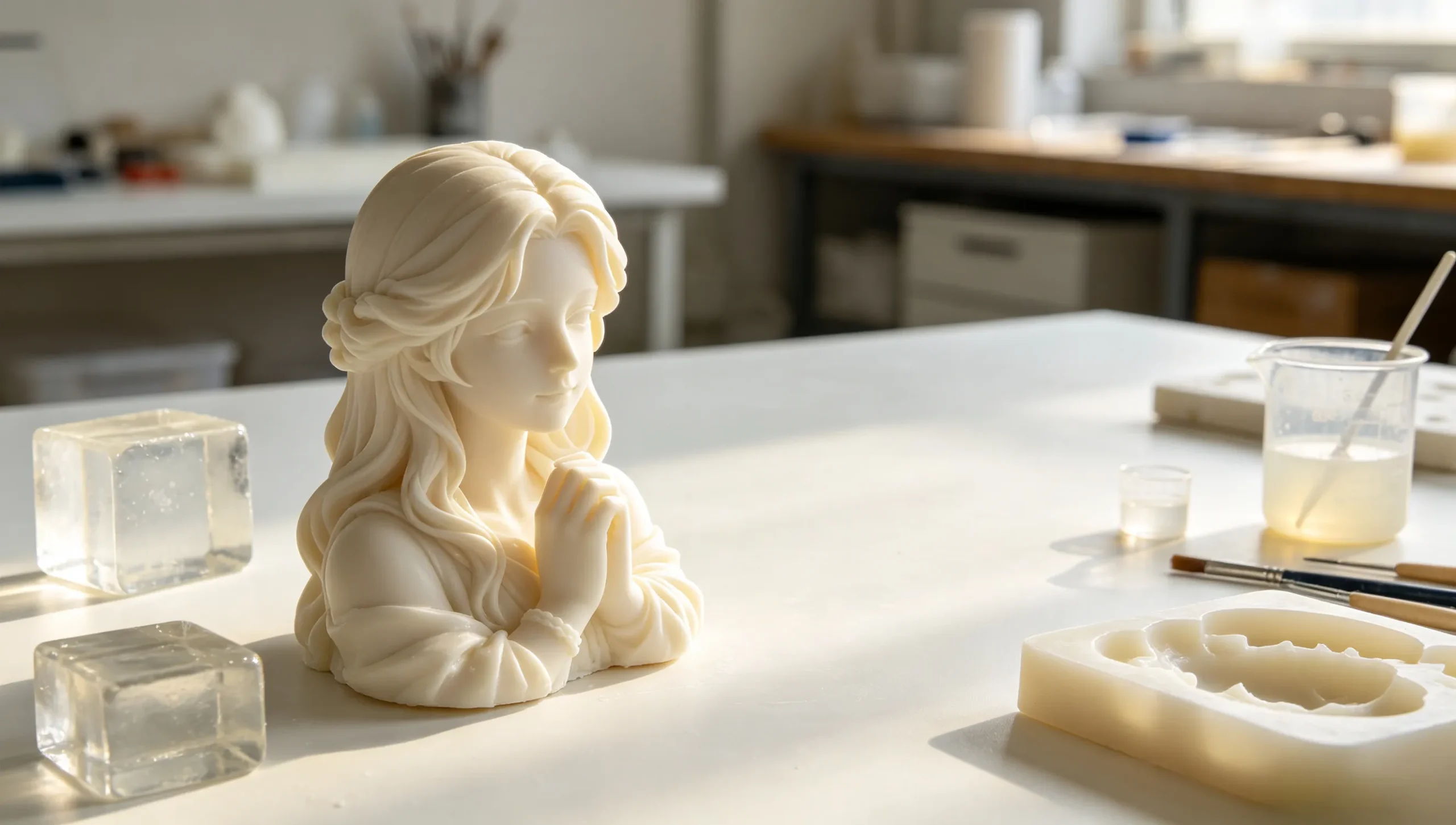
Before discussing PU (Polyurethane) figures, it is critical to first understand PU resin. PU resin is a high-molecular-weight compound with superior physical properties compared to PVC and ABS. After curing, it delivers outstanding toughness and deformation resistance. It will not leach oil under sunlight, and features a smooth, ivory-like surface texture.
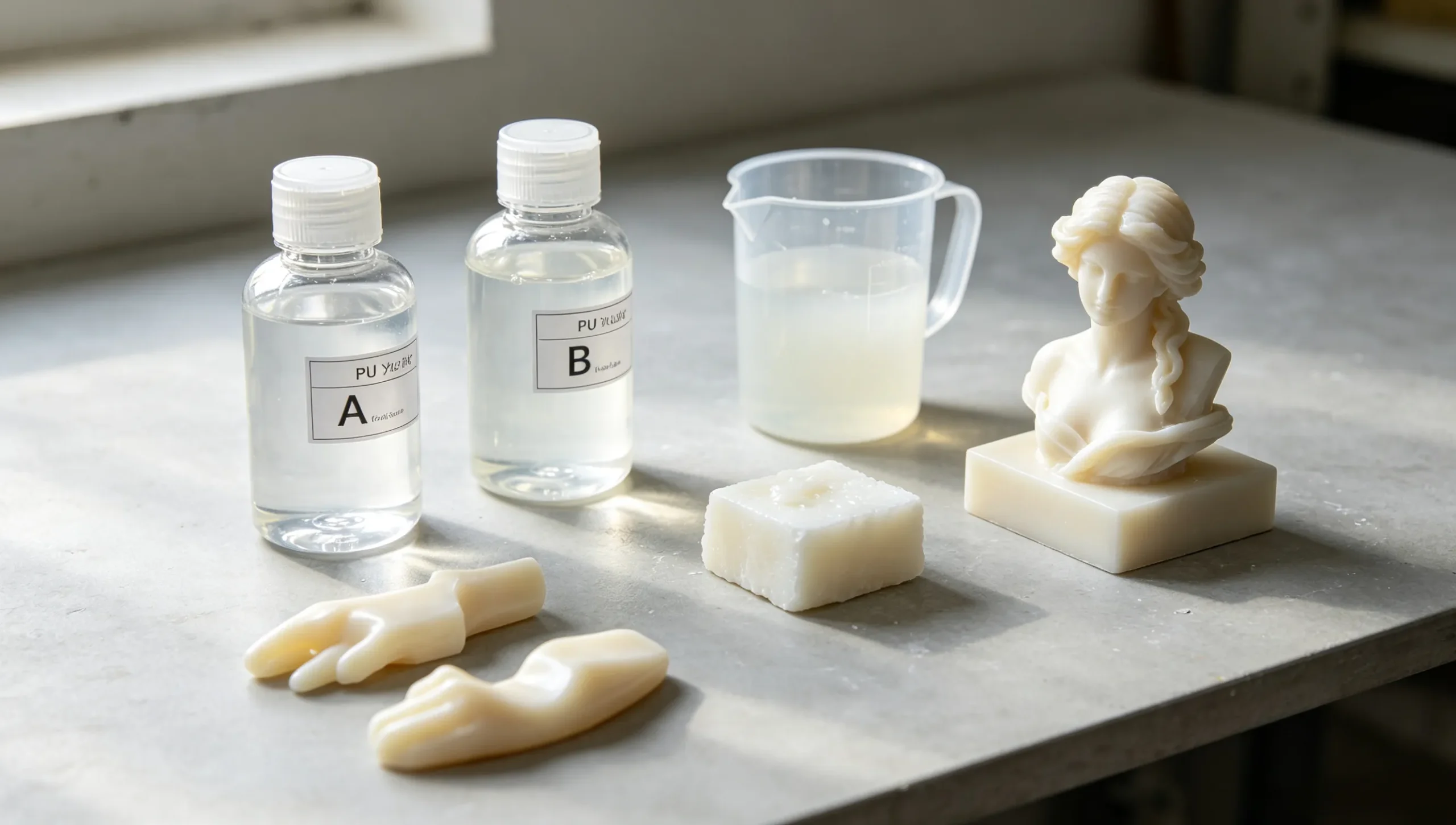
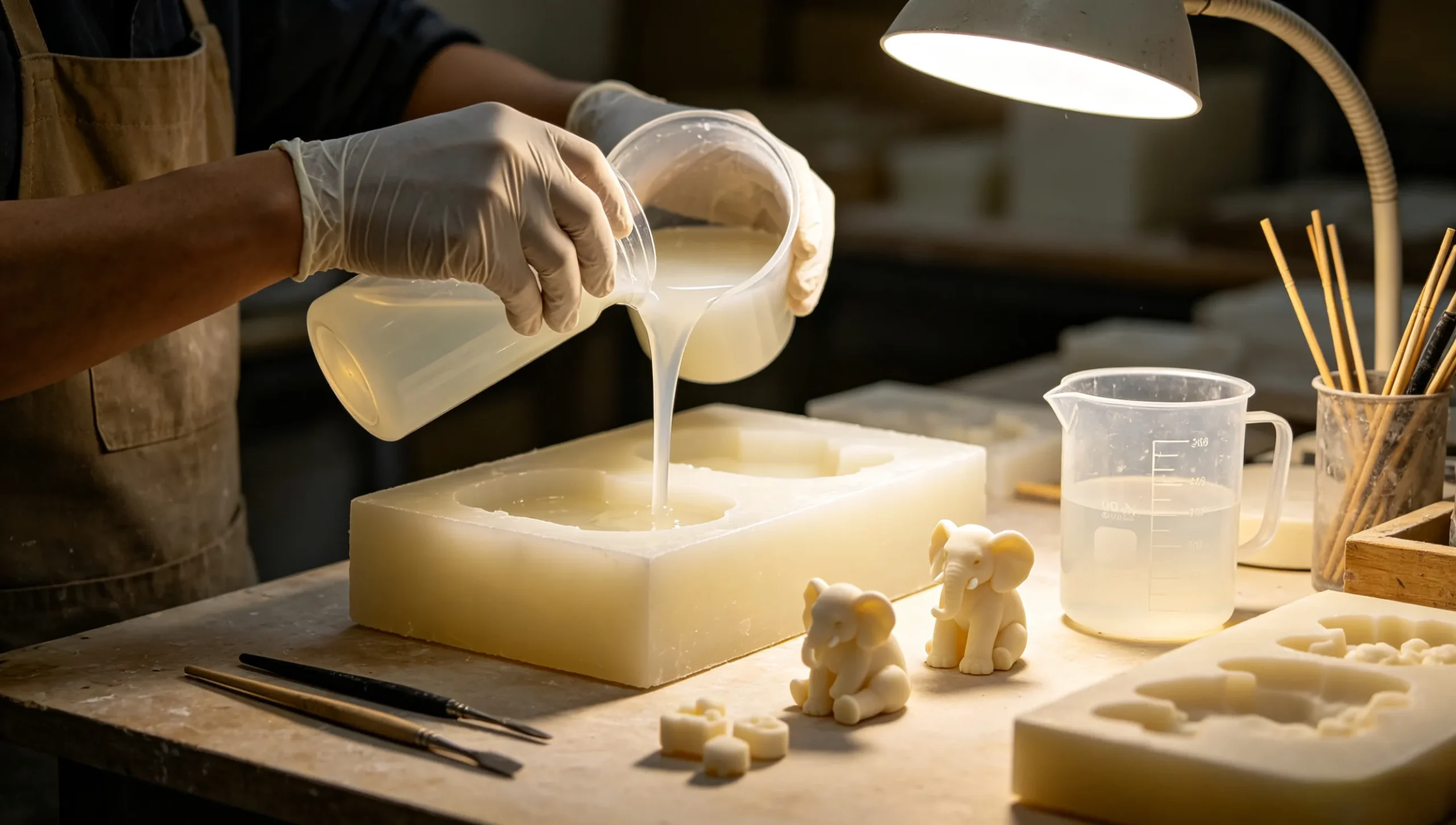
PU figures are collectible toys made from PU resin. They are generally manufactured through two approaches: light-curing 3D-printing for PU prototypes, or silicone-mold casting for small-batch resin figurine production.
Within designer-toy and art-toy exhibition circles, the term “resin toy” frequently refers to products made of PU resin. Nevertheless, this material is seldom adopted for mass-produced designer toys because of its inherent material characteristics.
In the toy industry, PU resin is the go-to material for GK kit model manufacturing, widely known as “HEI-CAST resin”. It is a two-part system (Component A and Component B) mixed at an equal ratio for fast forming. In China, practitioners commonly call this mixture “AB water”.
PU resin boasts great versatility: it reproduces fine details sharply, provides a pleasing tactile feel, and comes in stock variants including white, ivory, beige and transparent grades. Bespoke color formulas can also be developed upon request.
For all its merits, PU resin figures cost more to produce than conventional plastic figures such as PVC and ABS figures. Cured PU resin is harder yet more brittle, which calls for extra care during shipping and handling. While the molding process itself does not require heating — simple silicone molds are sufficient, keeping process-side costs relatively low — silicone molds have very limited service life. Most silicone molds fail after roughly ten casting cycles, which restricts them exclusively to small-run figure manufacturing.
Moreover, silicone molds cannot match the dimensional stability and consistent surface finish achievable with metal molds. This rules out mass-scale manufacturing and automated spray-painting. Consequently, manual touch-ups and hand-painted finishing become mandatory, pushing labour costs substantially higher.
Thanks to its excellent detail-capturing capability, PU resin is widely used for small-batch artist and designer toy releases. Even so, high raw-material expenses, short mold lifespan and heavy labour requirements drive up per-unit total production costs when compared with PVC figures.