Address
304 North Cardinal
St. Dorchester Center, MA 02124
Work Hours
Monday to Friday: 7AM - 7PM
Weekend: 10AM - 5PM
Address
304 North Cardinal
St. Dorchester Center, MA 02124
Work Hours
Monday to Friday: 7AM - 7PM
Weekend: 10AM - 5PM
Custom Figure Factory
Custom Figure Factory
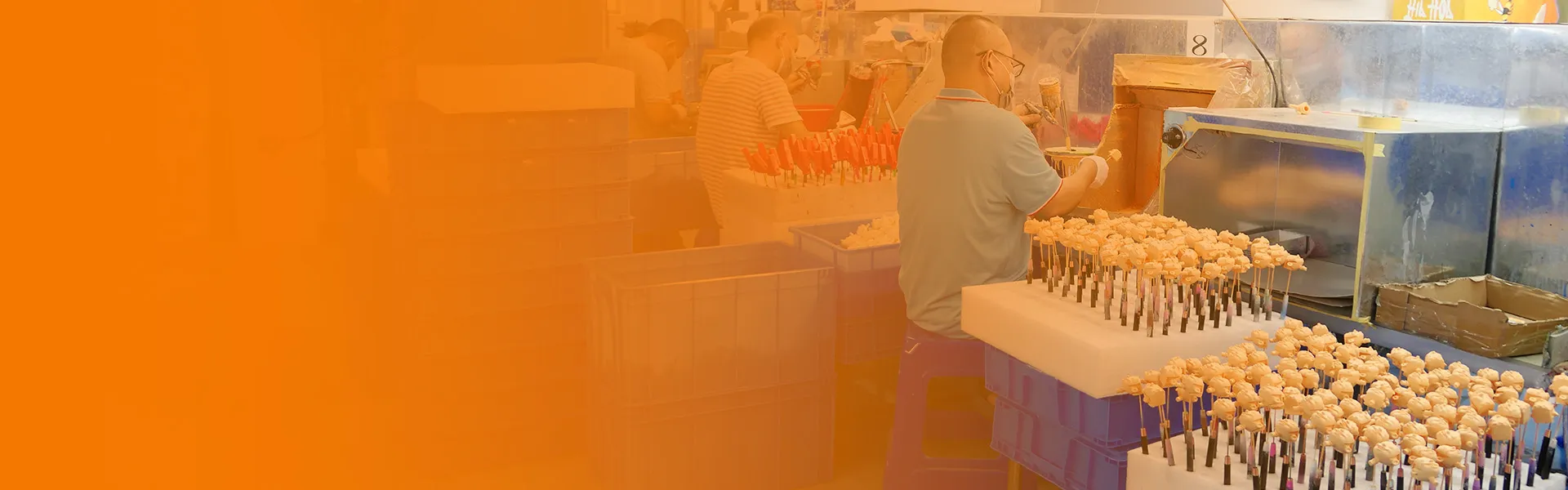
Toy coloring processes are surface‑finishing techniques for collectible art‑toy manufacturing, used to apply colors, patterns, logos and textures onto toy component surfaces.
At Xingyi Toy, we offer 11 key coloring solutions: spray painting, pad printing, water decal, hand painting, water transfer printing, UV printing, screen printing, heat transfer printing, electroplating, flocking and mass base color. Each process is tailored for specific materials, production volumes and design requirements.
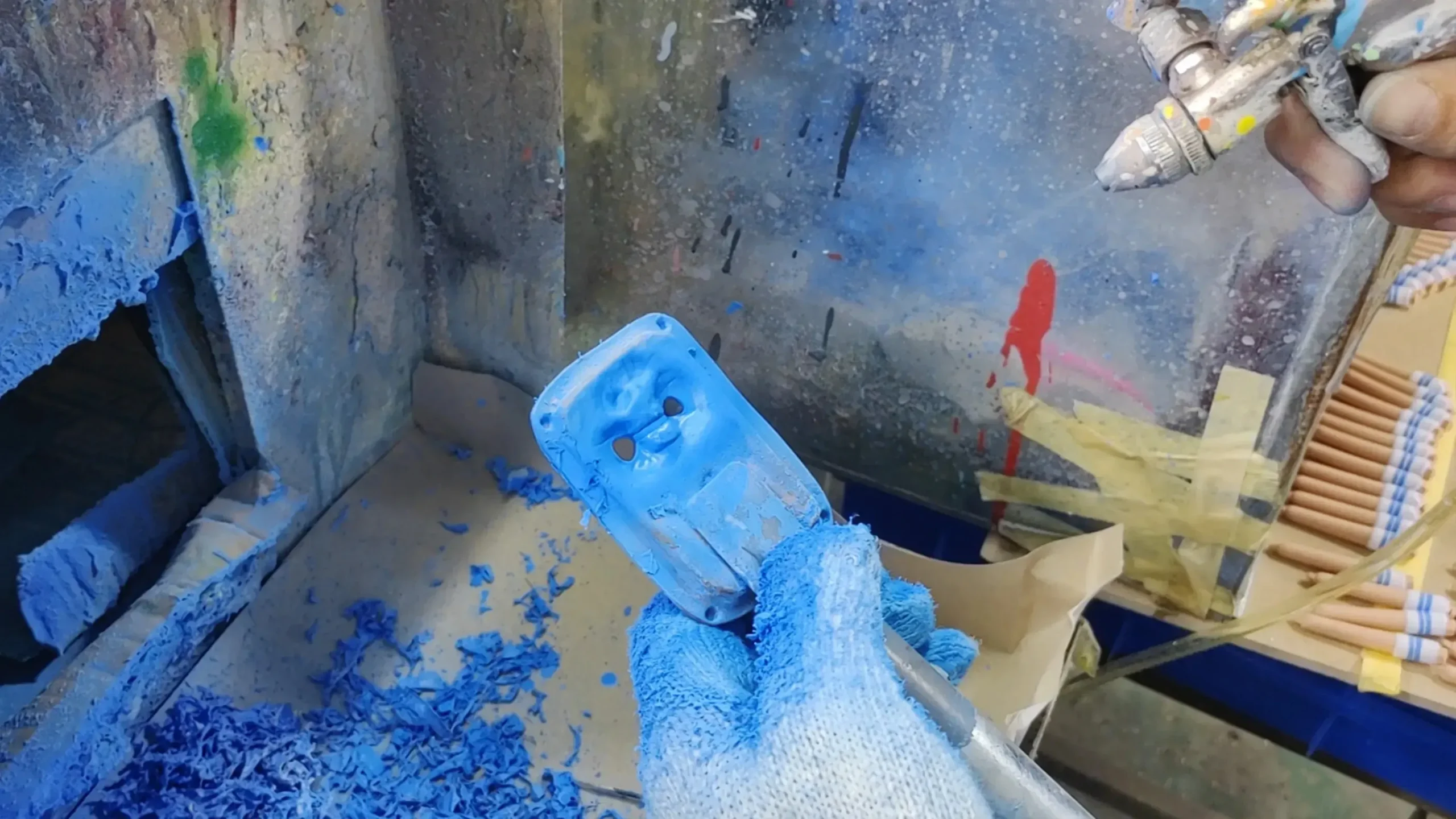
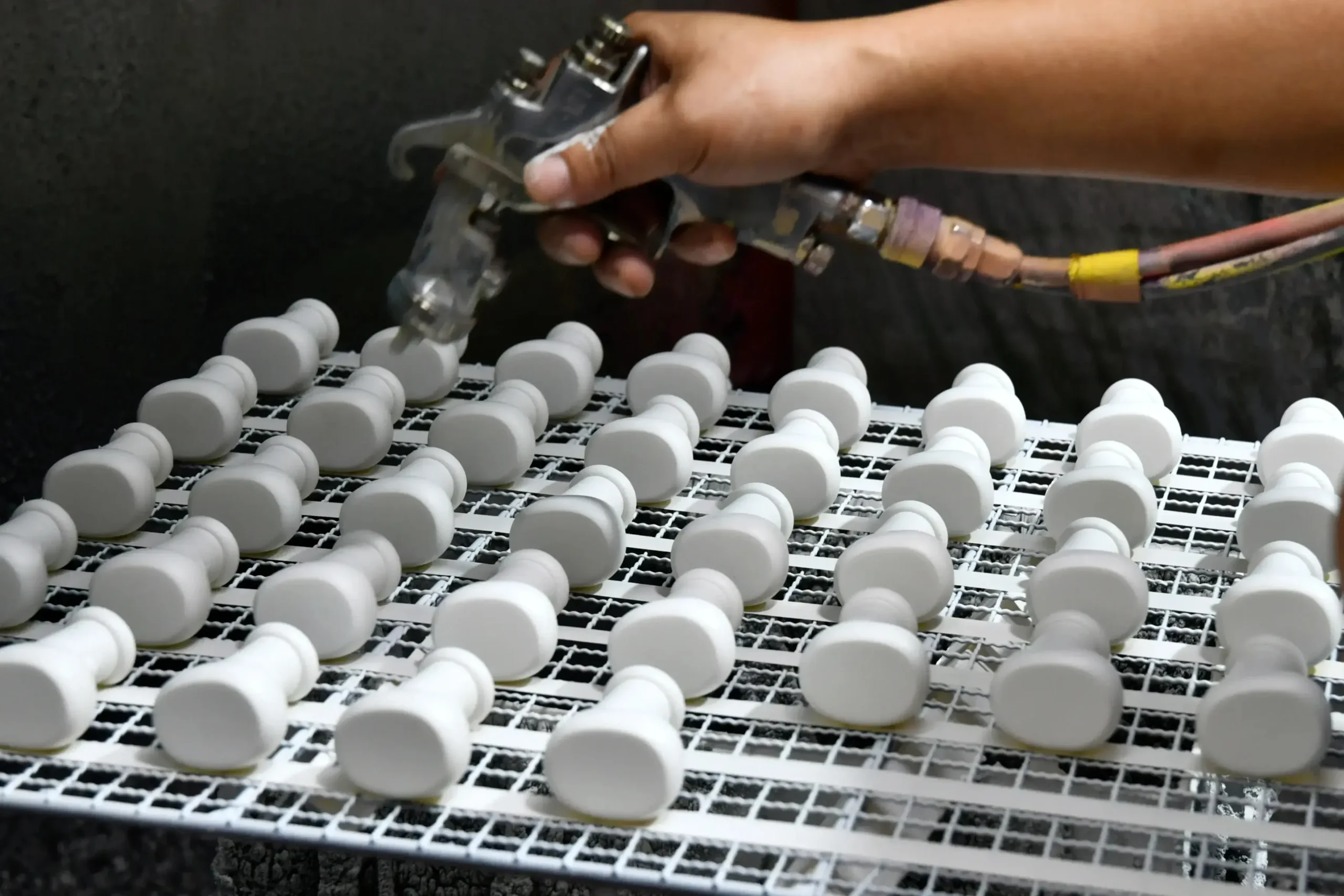
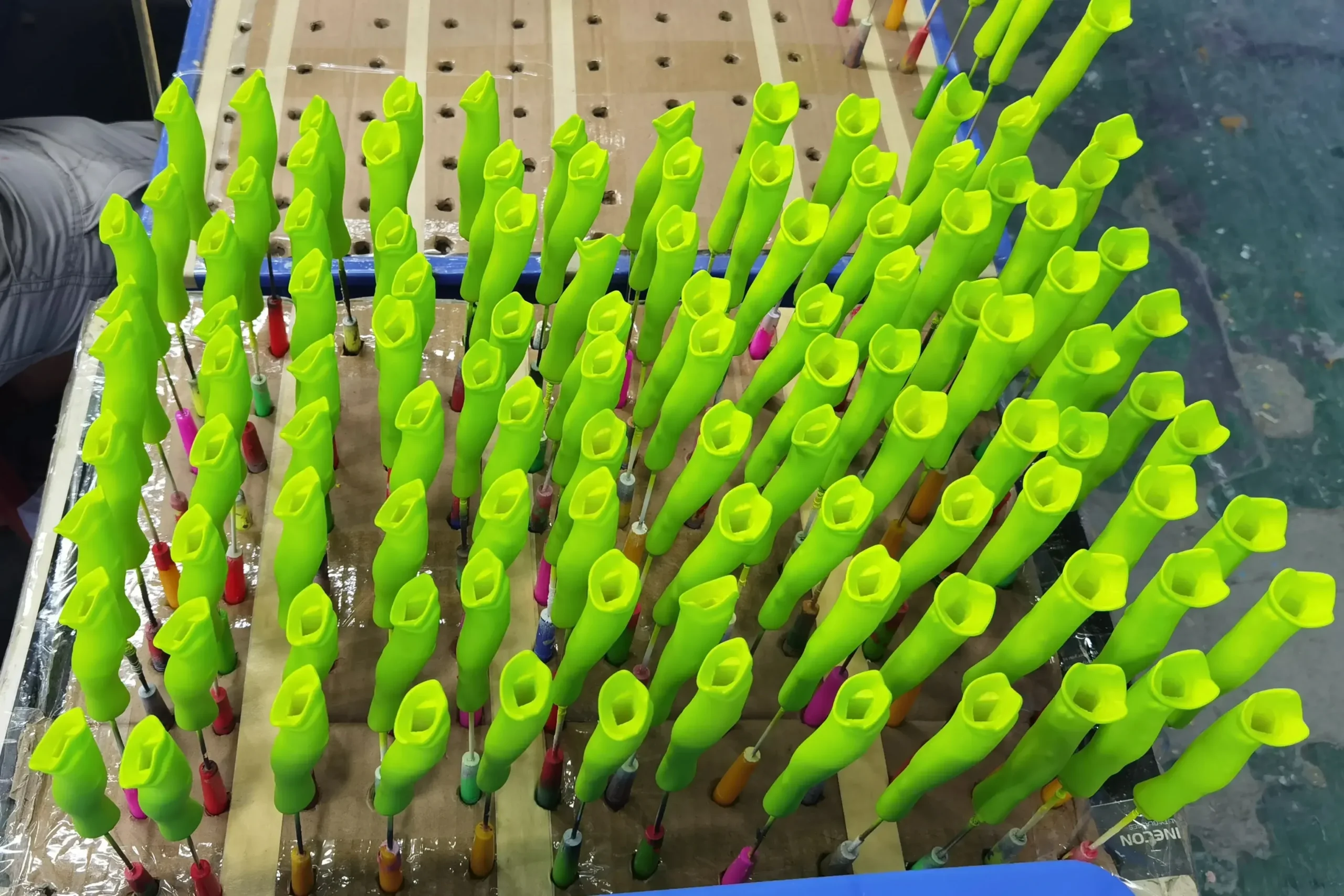
Spray painting is the most widely‑used base coloring technique for mass toy production, adopted for over 80% of Xingyi Toy’s orders. It works well for vinyl toys, PVC figures, resin sculptures, wood figures and plush toys, and delivers uniform surface finishing for early‑stage prototypes.
Air spray guns atomize paint to coat every product surface evenly, achieving a first‑pass quality approval rate above 95%. This process supports full base coats, soft color gradients, layered shadow effects and partial detail decoration. Our automated spray lines run 200‑500 pieces per day, making it an all‑round coloring solution for large‑volume assembly‑line toy orders.
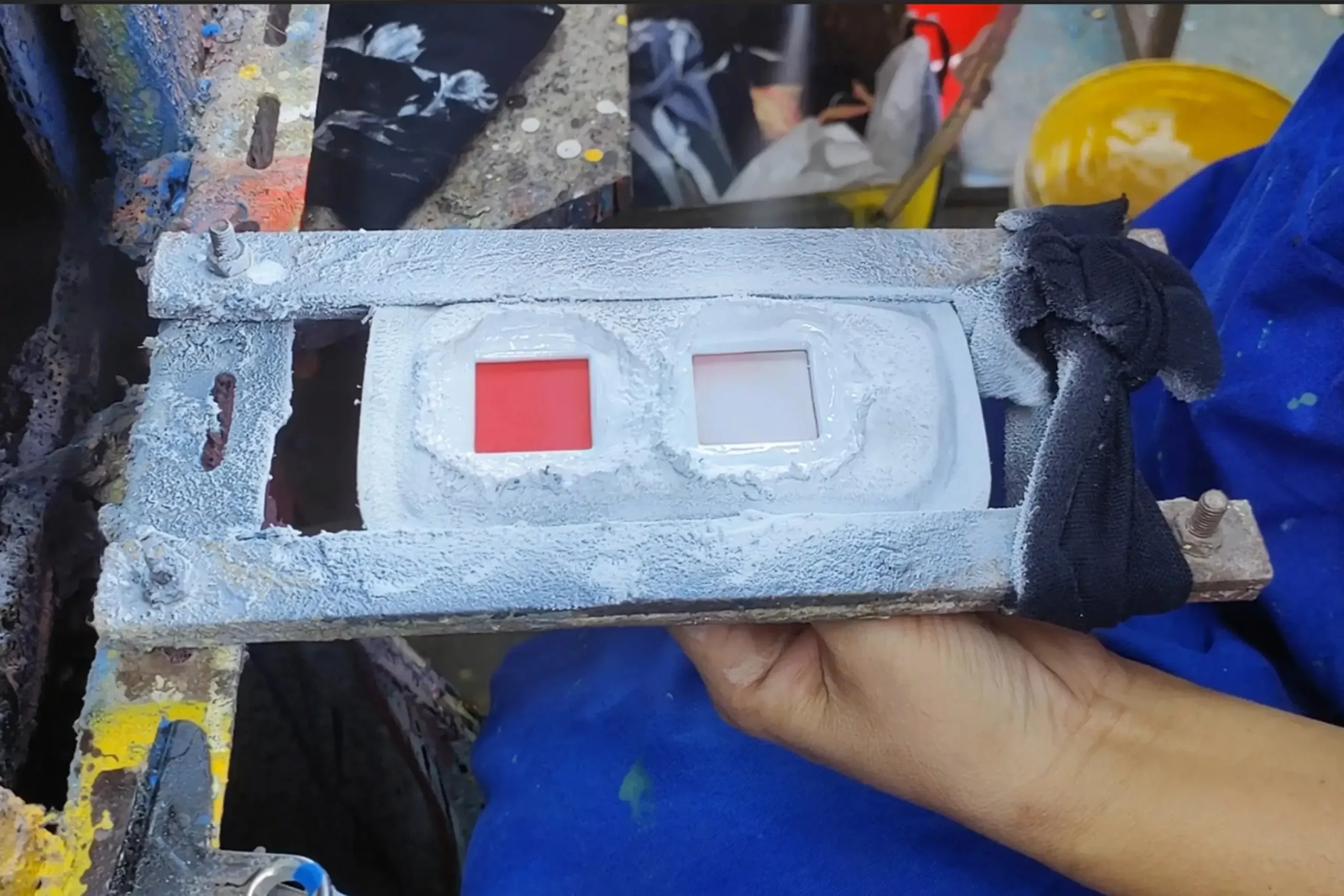
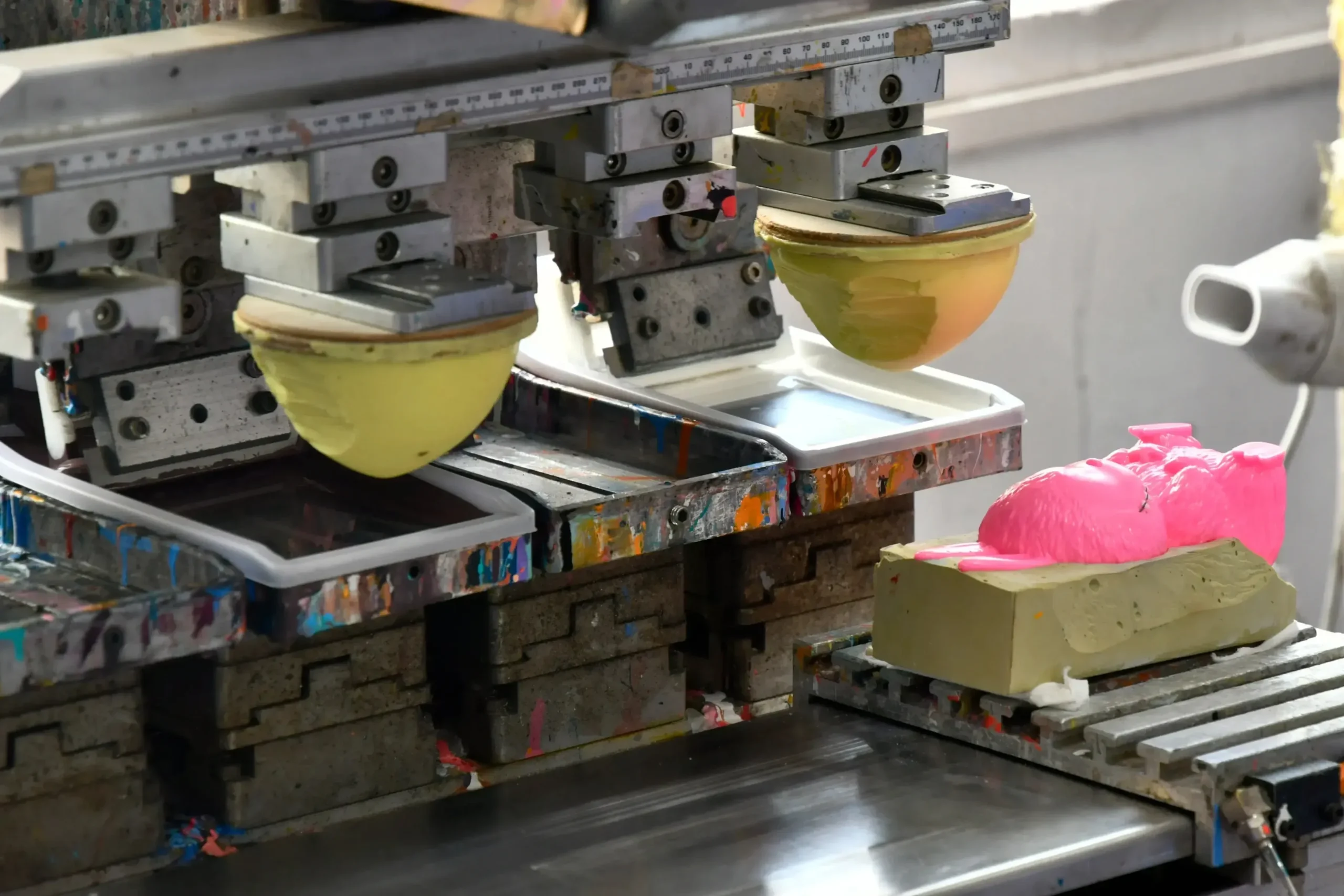
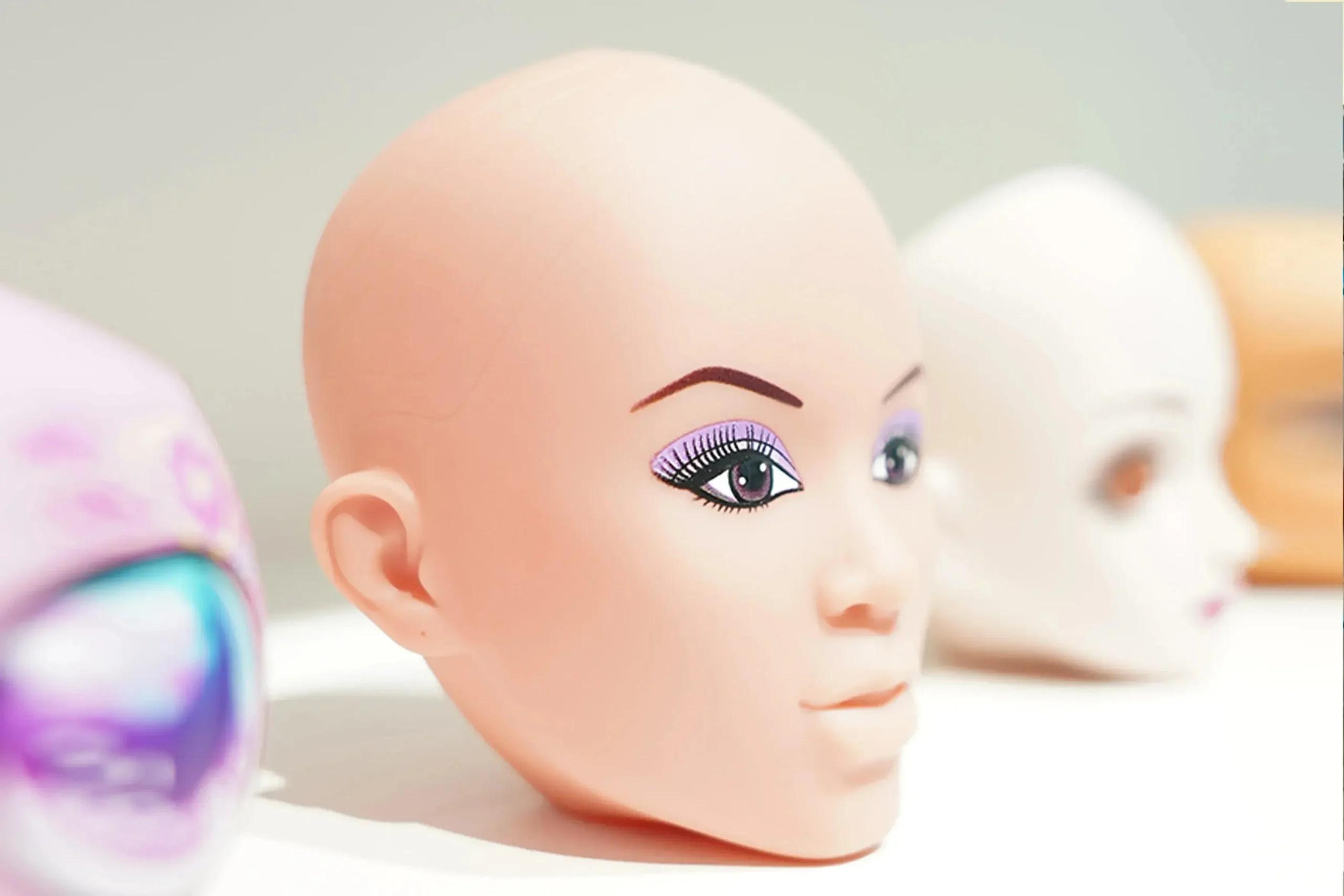
Pad printing creates ultra‑fine logos and delicate facial lines for dolls, delivering printing precision down to 0.1 mm. It performs perfectly for narrow, recessed small details on vinyl toys, PVC figures and resin sculptures.
Each steel printing plate withstands more than 10,000 production cycles. Single‑color graphic alignment takes only 2‑3 seconds per unit. The process supports single‑ and multi‑color fine marking, suitable for small‑batch prototype runs as well as large‑scale mass toy production.
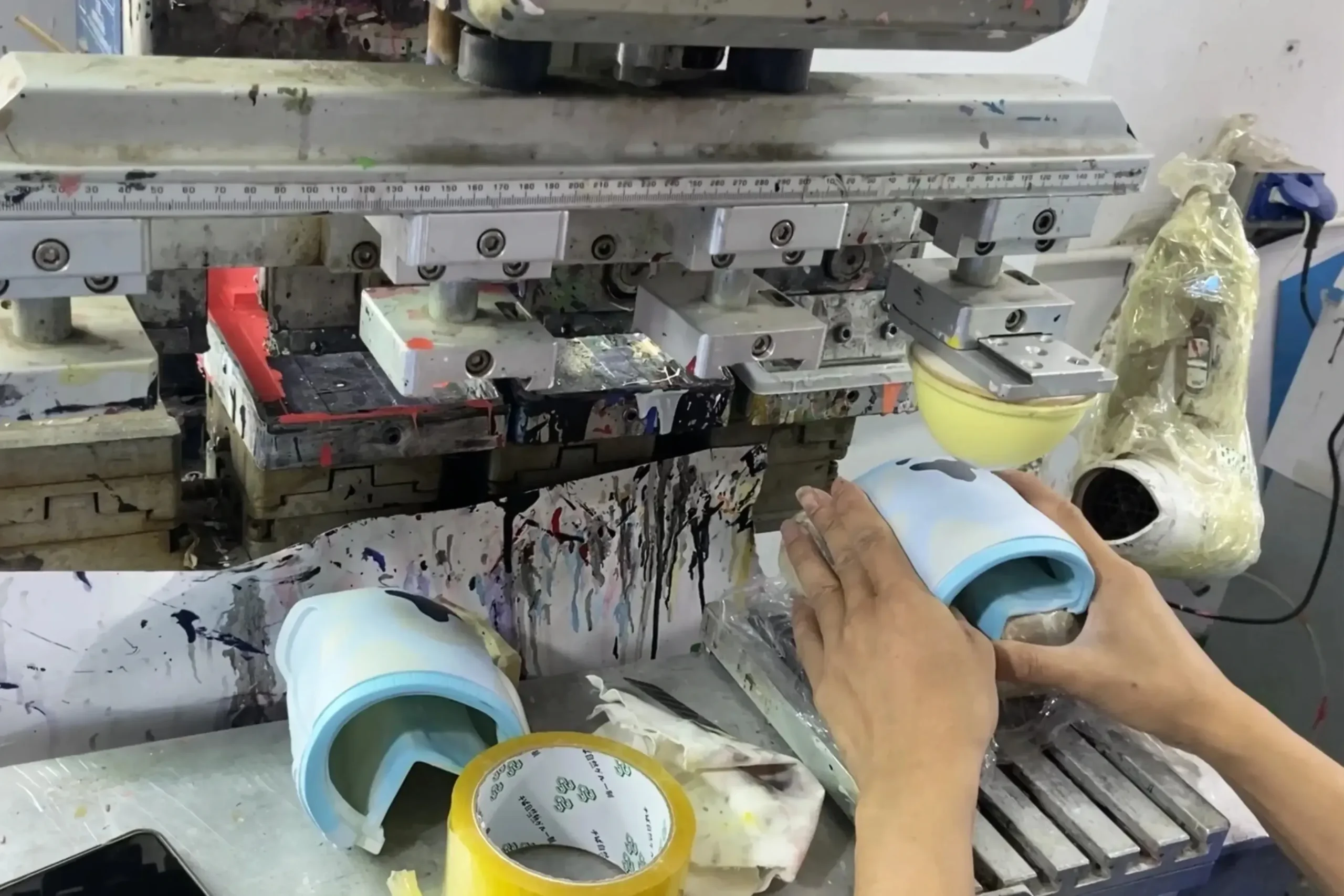
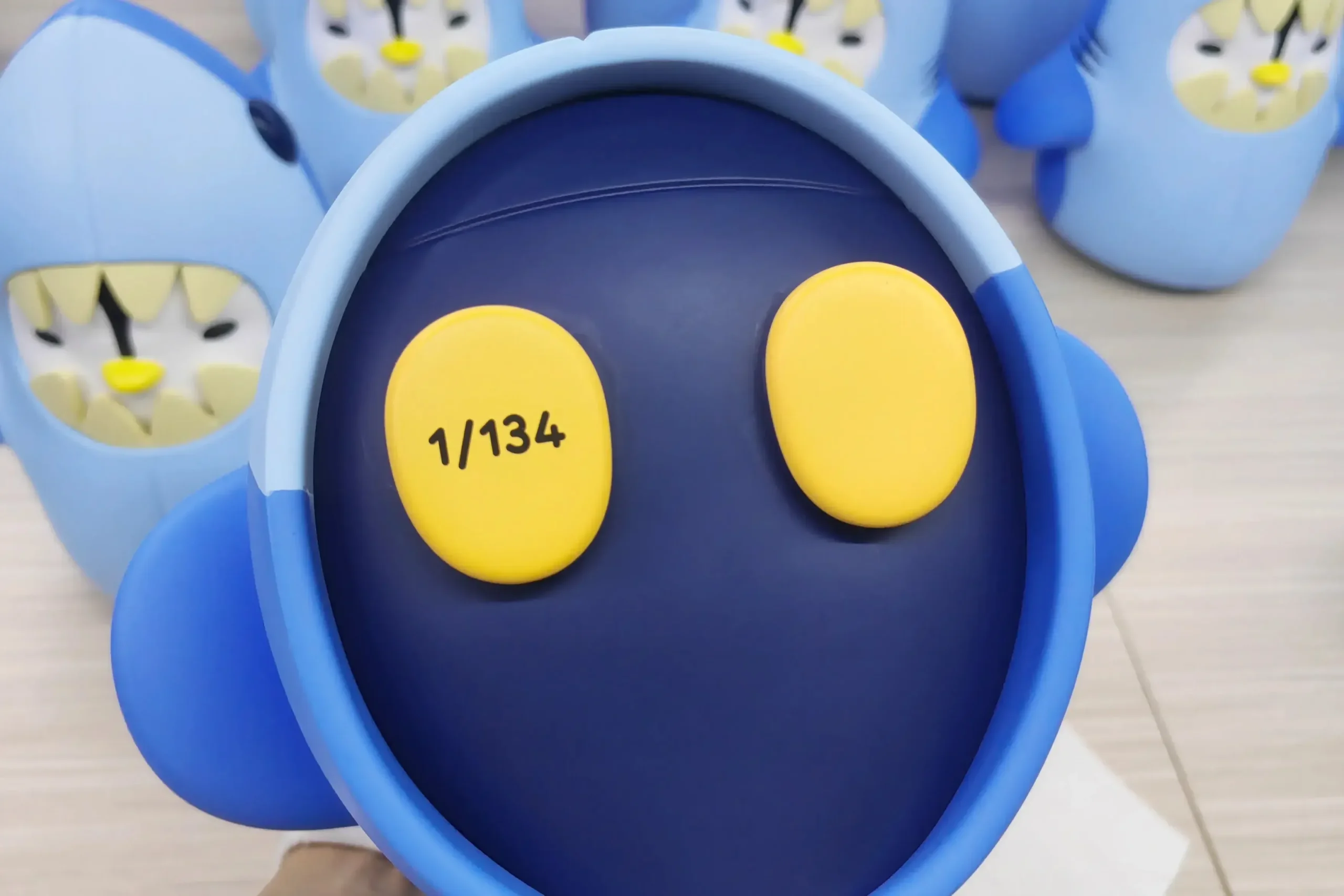
Water decal produces seamless, dot‑free complex patterns. It works well for prototype sampling and small‑batch decorative graphics on vinyl toys, PVC figures and fiberglass sculptures.
No mold fees apply for sampling. Unlike pad printing, which costs more than $500 for one steel printing plate, water decal requires no complex mold‑opening work for collectible art figures. Single‑piece processing only takes 3‑5 minutes per unit.
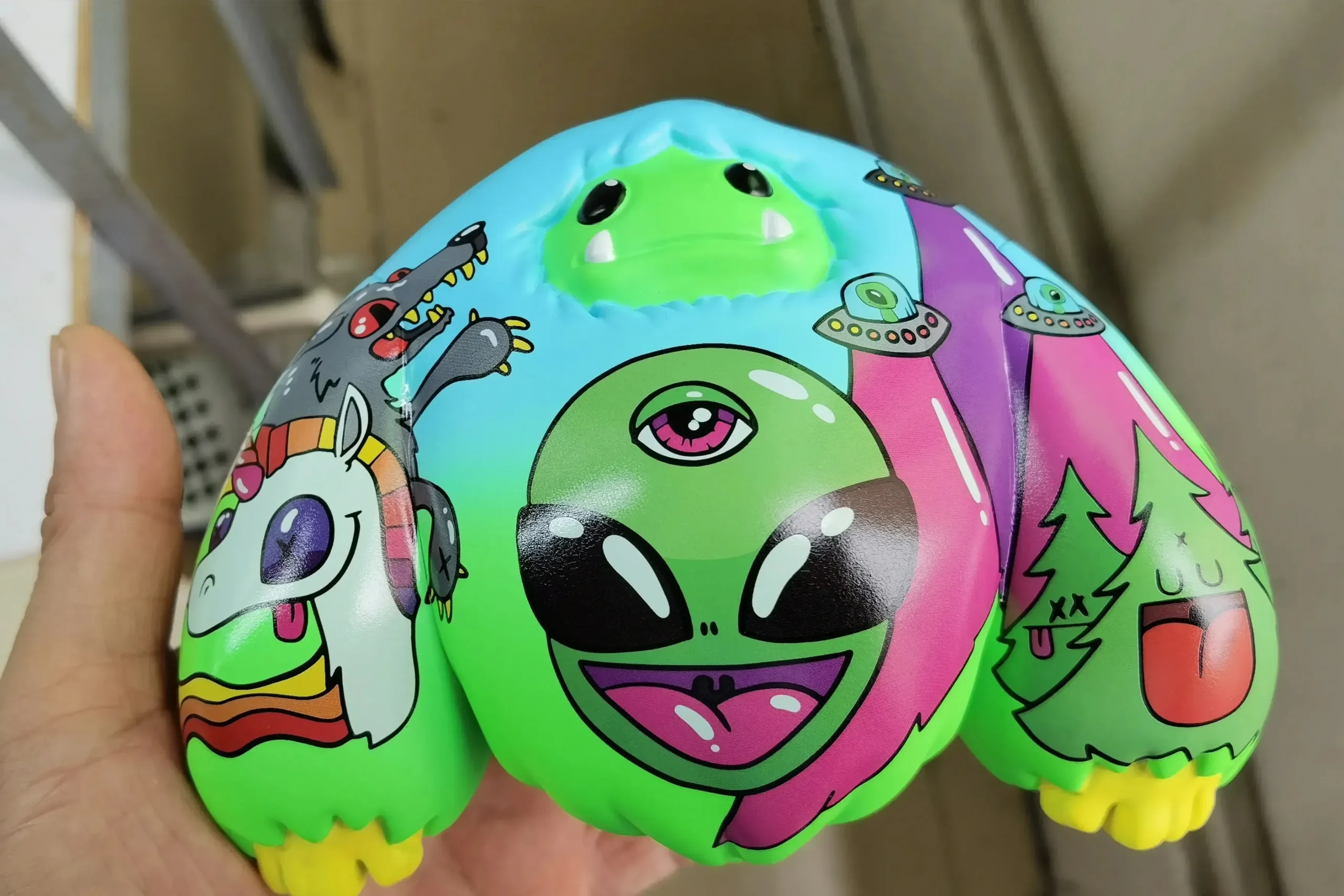
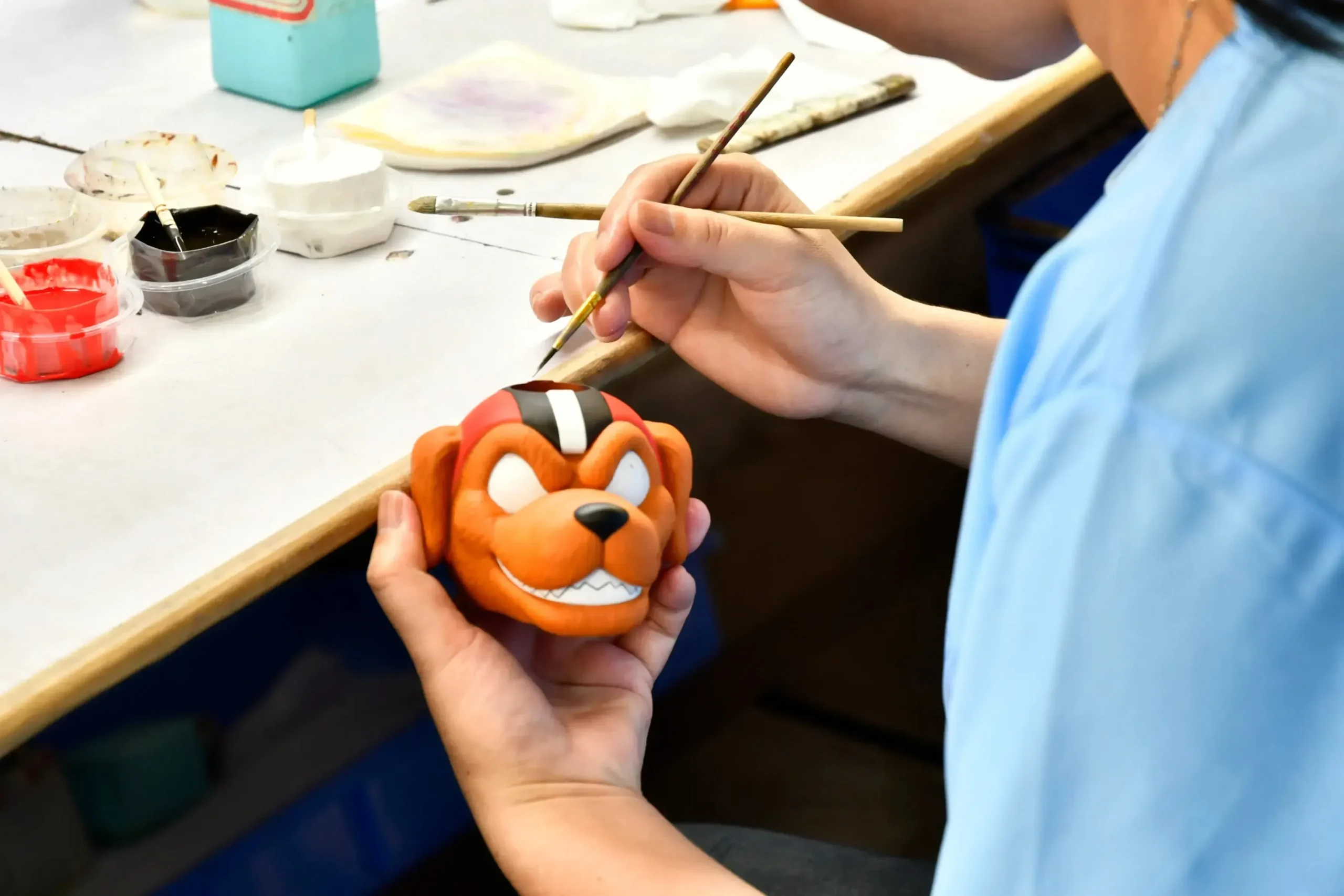
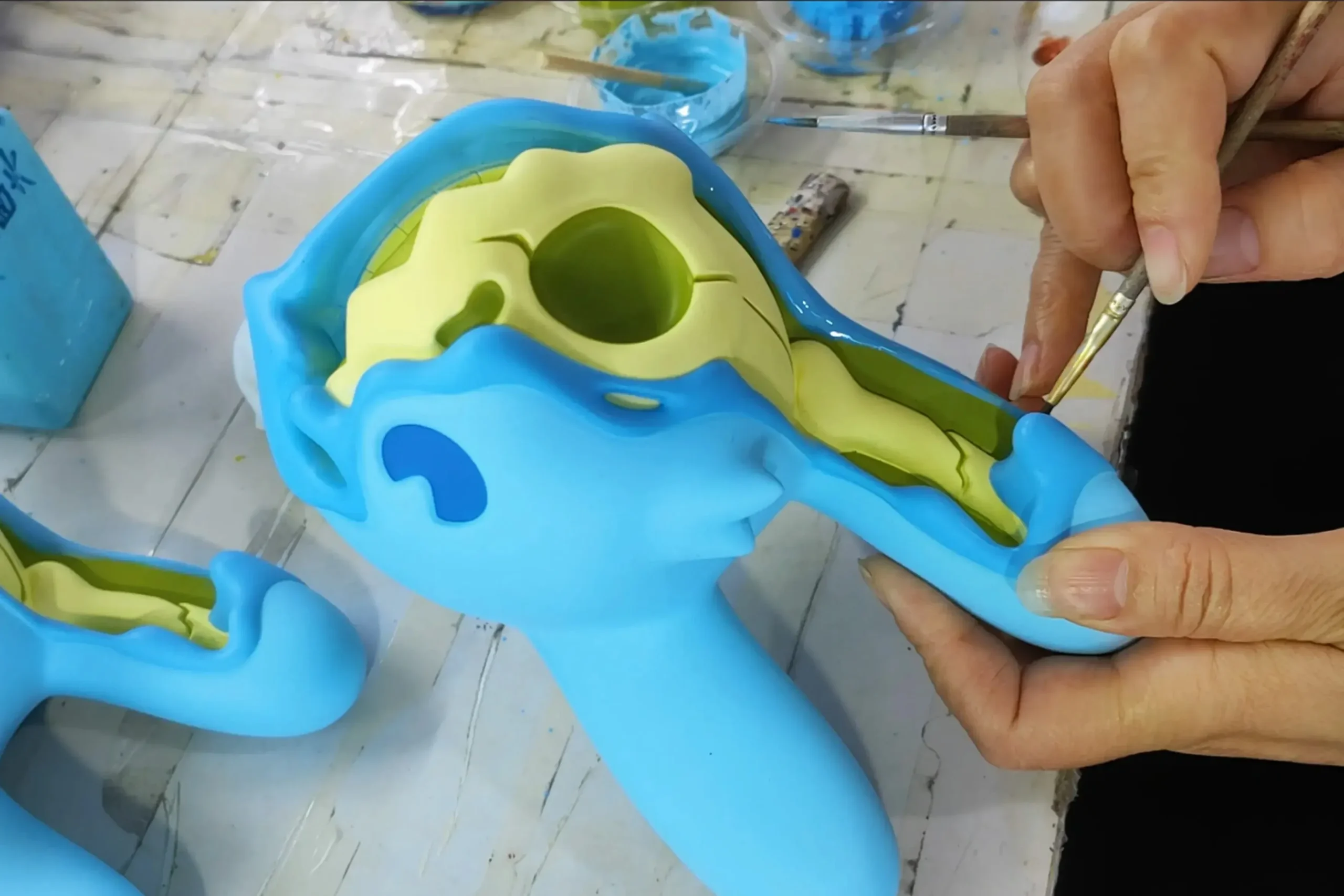
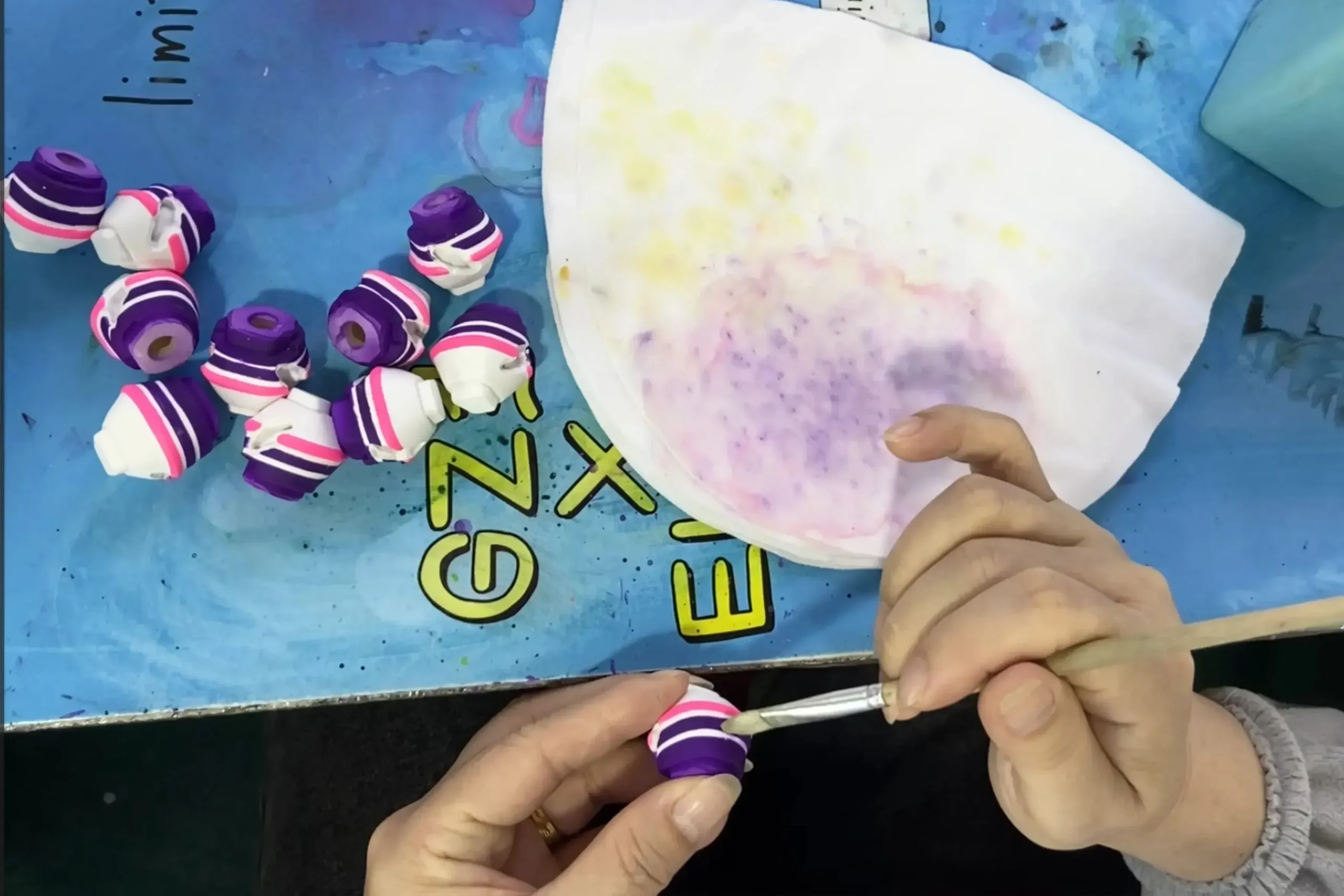
Hand painting delivers exclusive hand‑brushed textures and authentic weathered vintage effects. It is widely adopted for high‑end collectibles such as resin figures, fiberglass sculptures, copper figures and limited‑edition vinyl toys.
Each hand‑finished piece takes 30‑120 minutes to complete, and a single skilled painter can produce only 10‑30 units each day. With per‑unit costs 5‑10 times higher than automated coloring workflows, this process is reserved for premium luxury art toy lines.
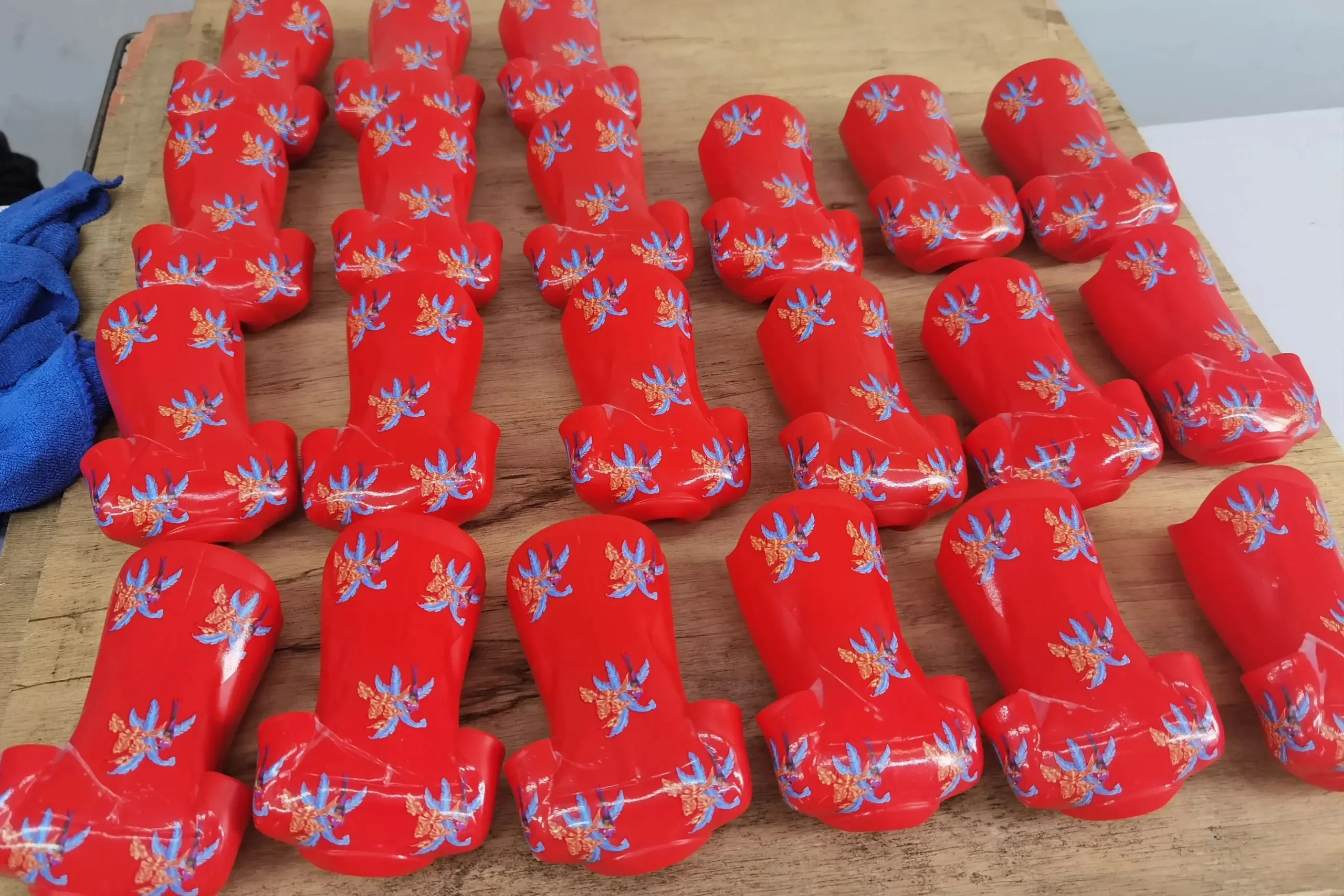
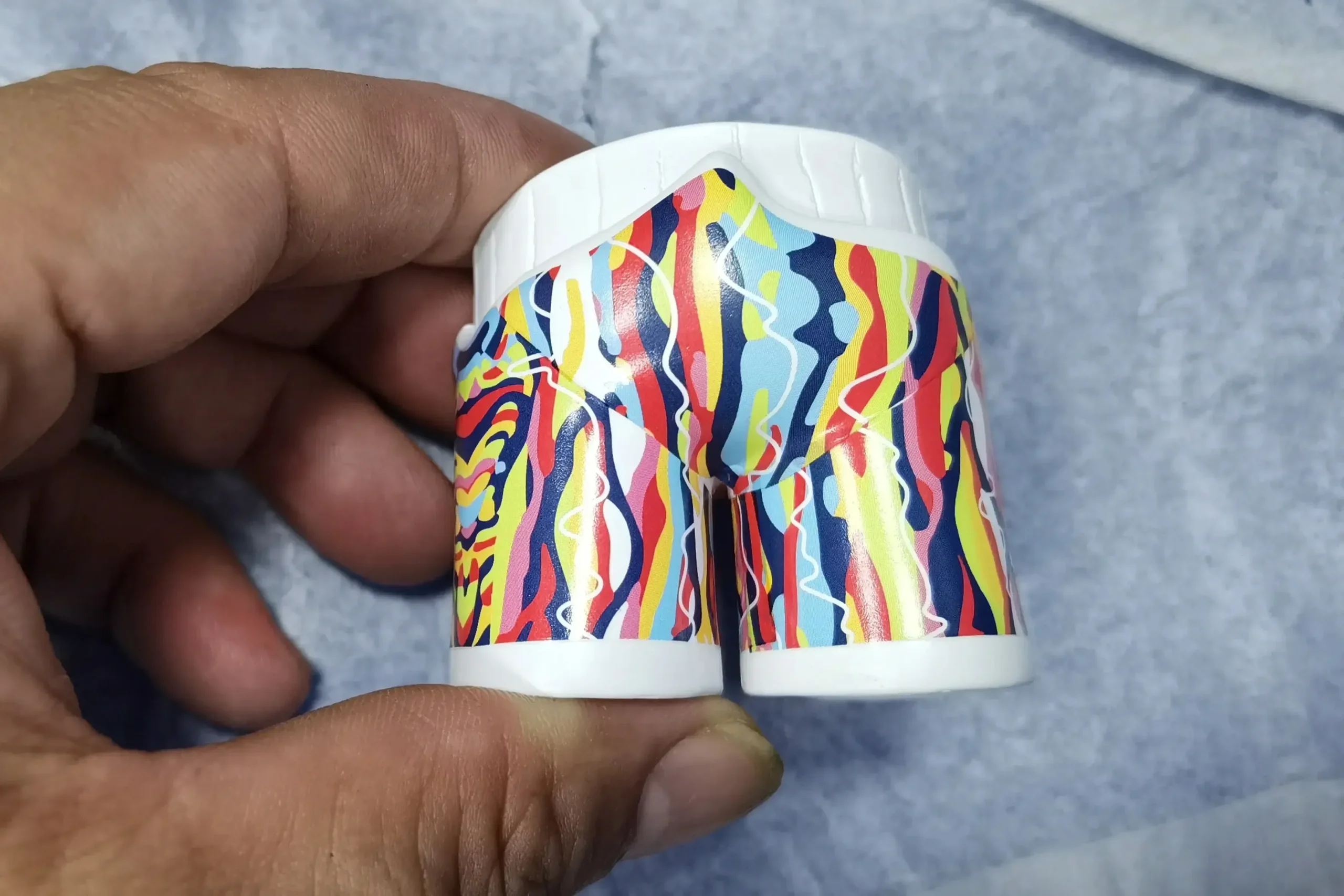
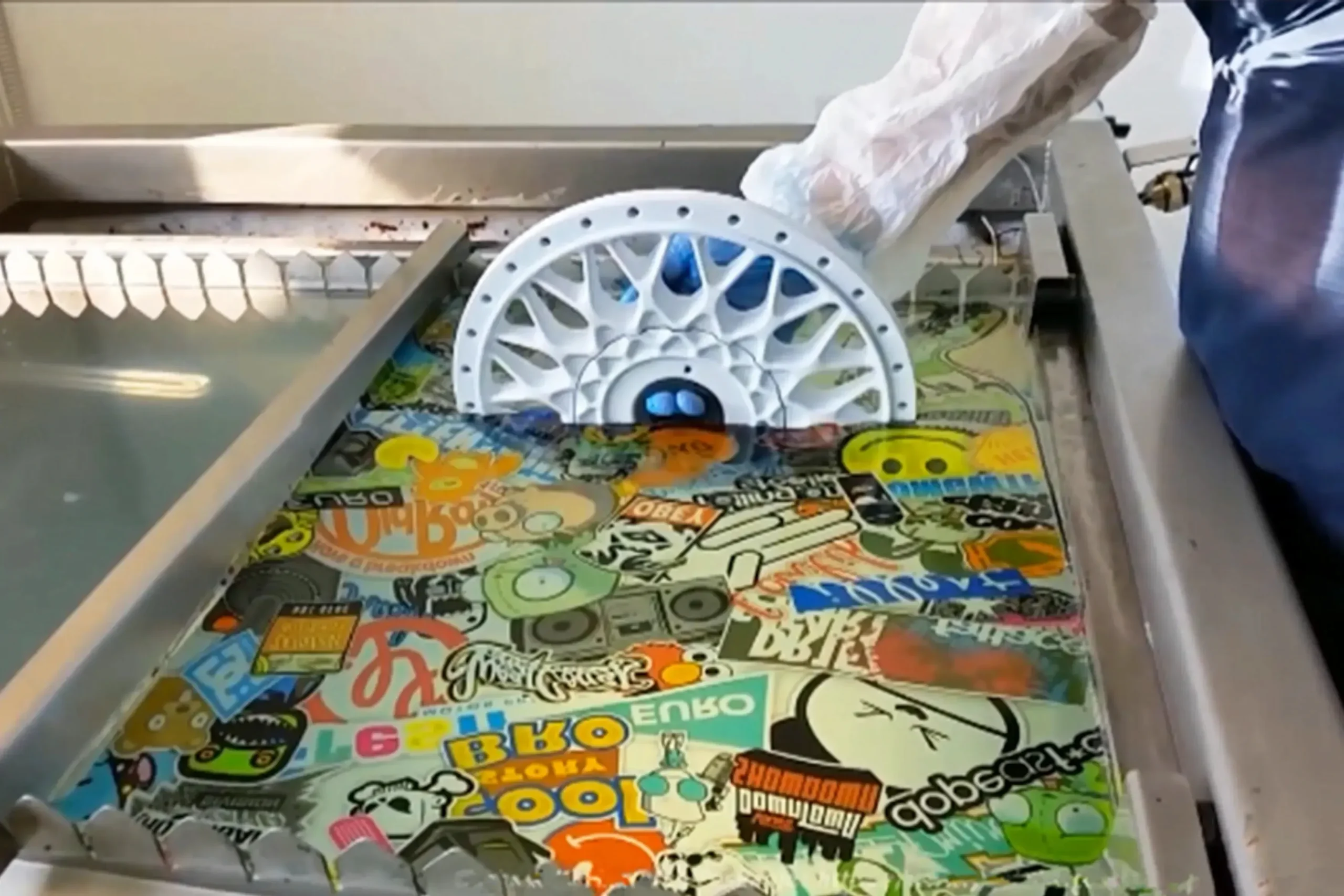
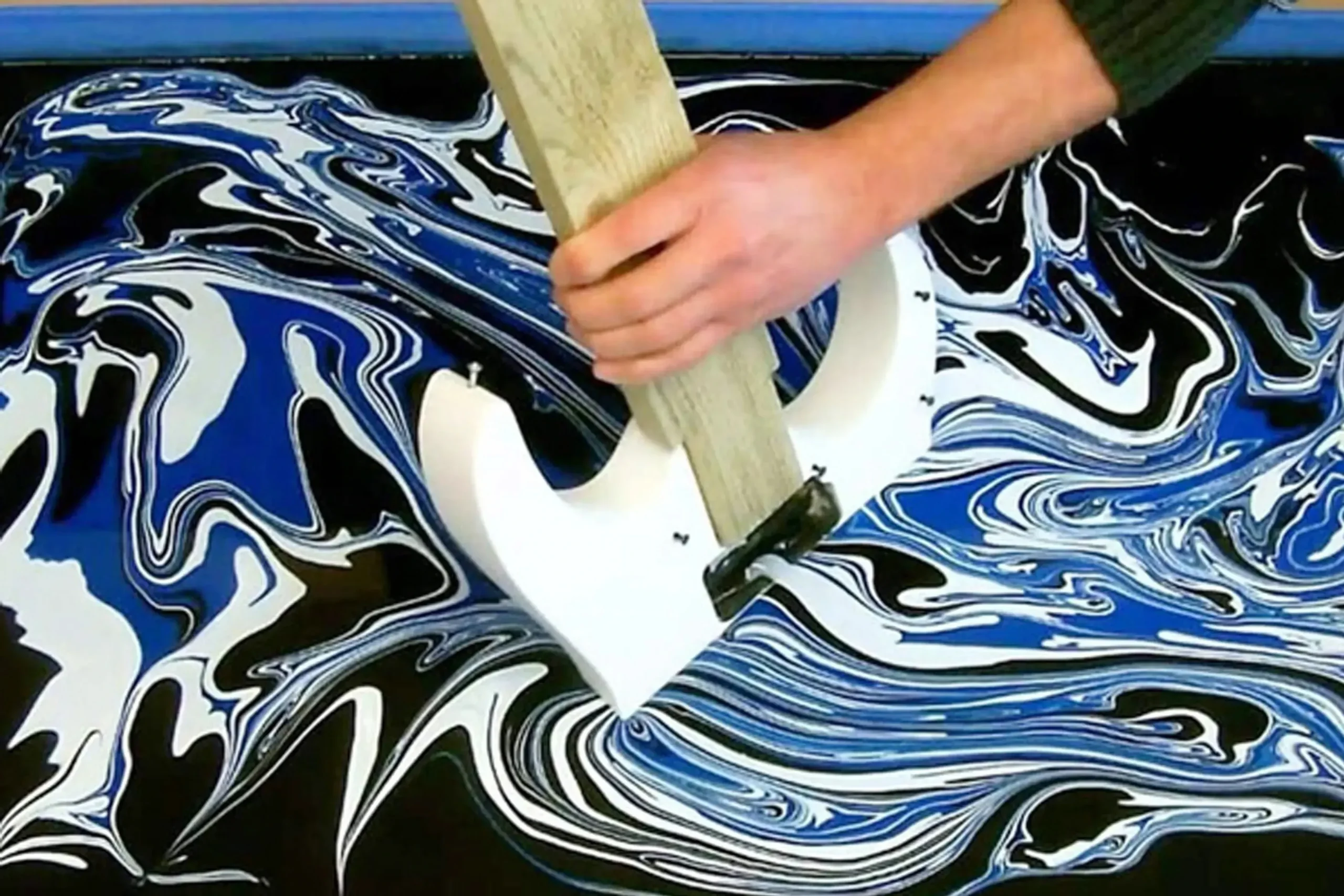
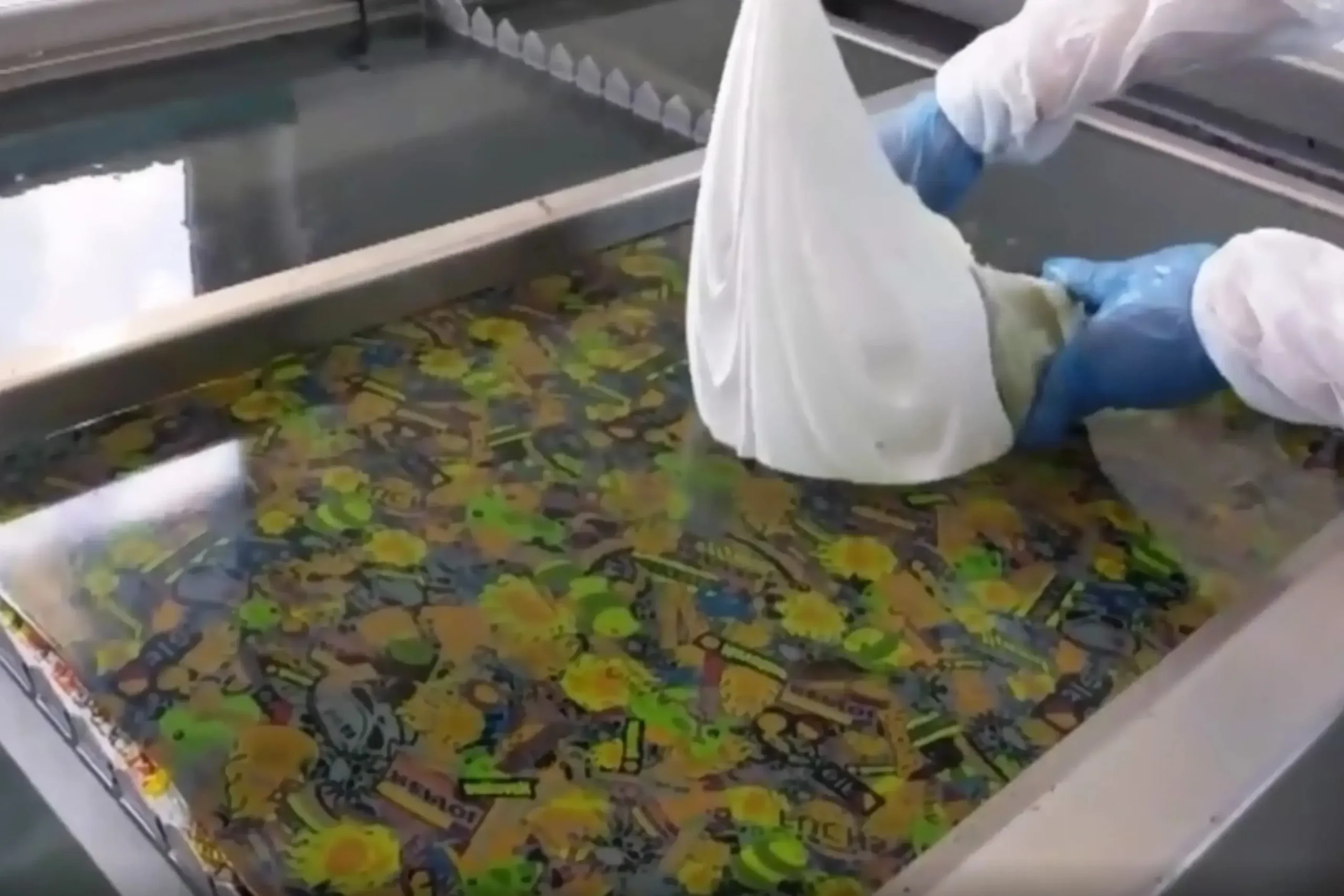
Water transfer printing delivers full wrapping for irregular, complex toy shapes, achieving a film‑coverage rate above 95%. It reproduces lifelike wood‑grain, camouflage and marble textures for fiberglass sculptures, resin figures, PVC figures and wood figures.
Secondary trimming after transfer results in an 8%‑15% scrap rate. Even so, this process remains a highly popular choice for custom‑made outdoor decorative sculptures.
UV printing delivers photo‑grade ultra‑high‑definition output at 1200+ DPI, faithfully reproducing licensed IP graphics and smooth, delicate color gradients. It offers full compatibility with vinyl toys, PVC figures, resin figures, wood figures and fiberglass sculptures.
Each single‑piece print runs 5‑15 minutes, and its specialized ink costs 3‑5 times more than conventional spray paint. This process is frequently combined with premium toy packaging for high‑detail, limited‑edition collectibles.
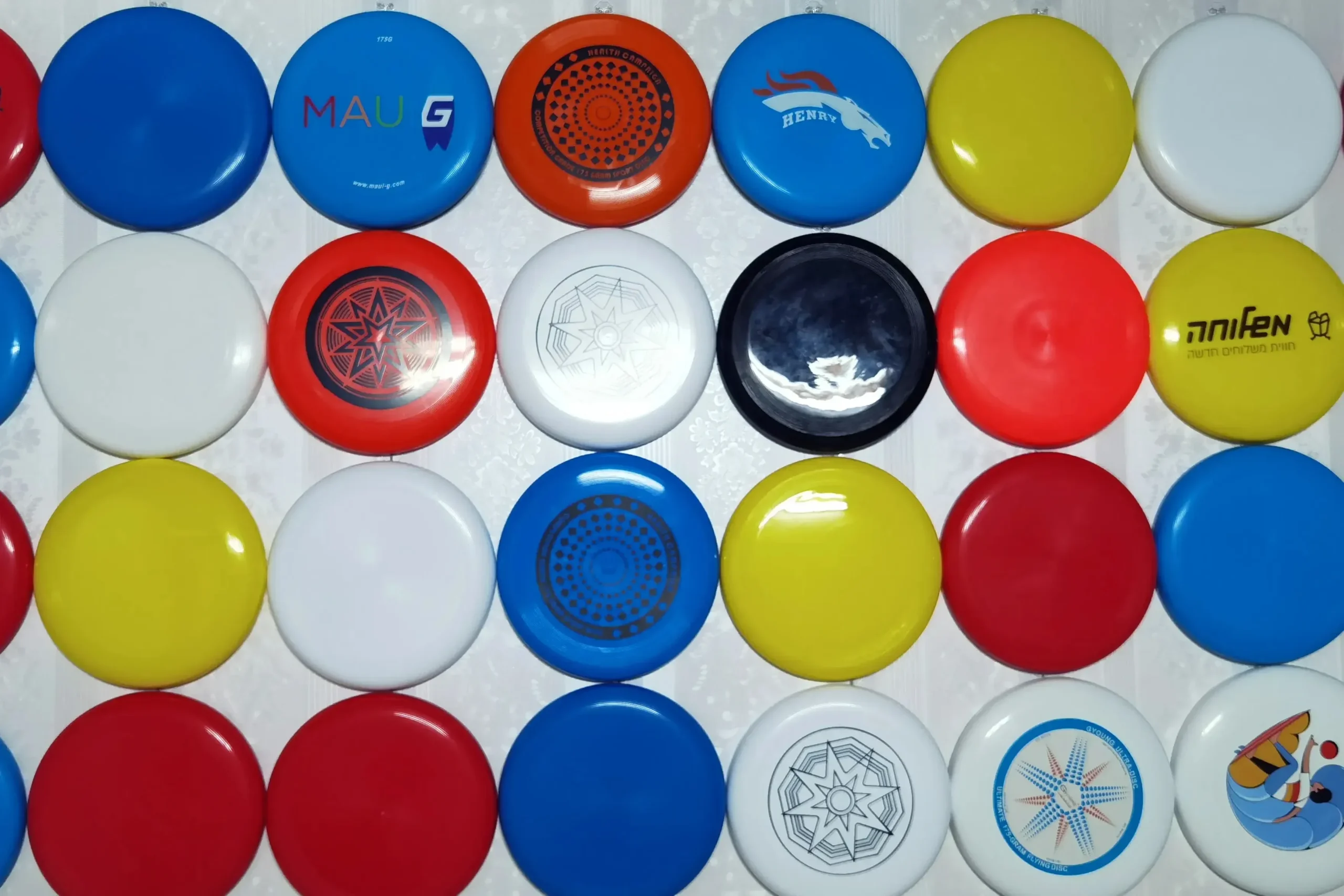
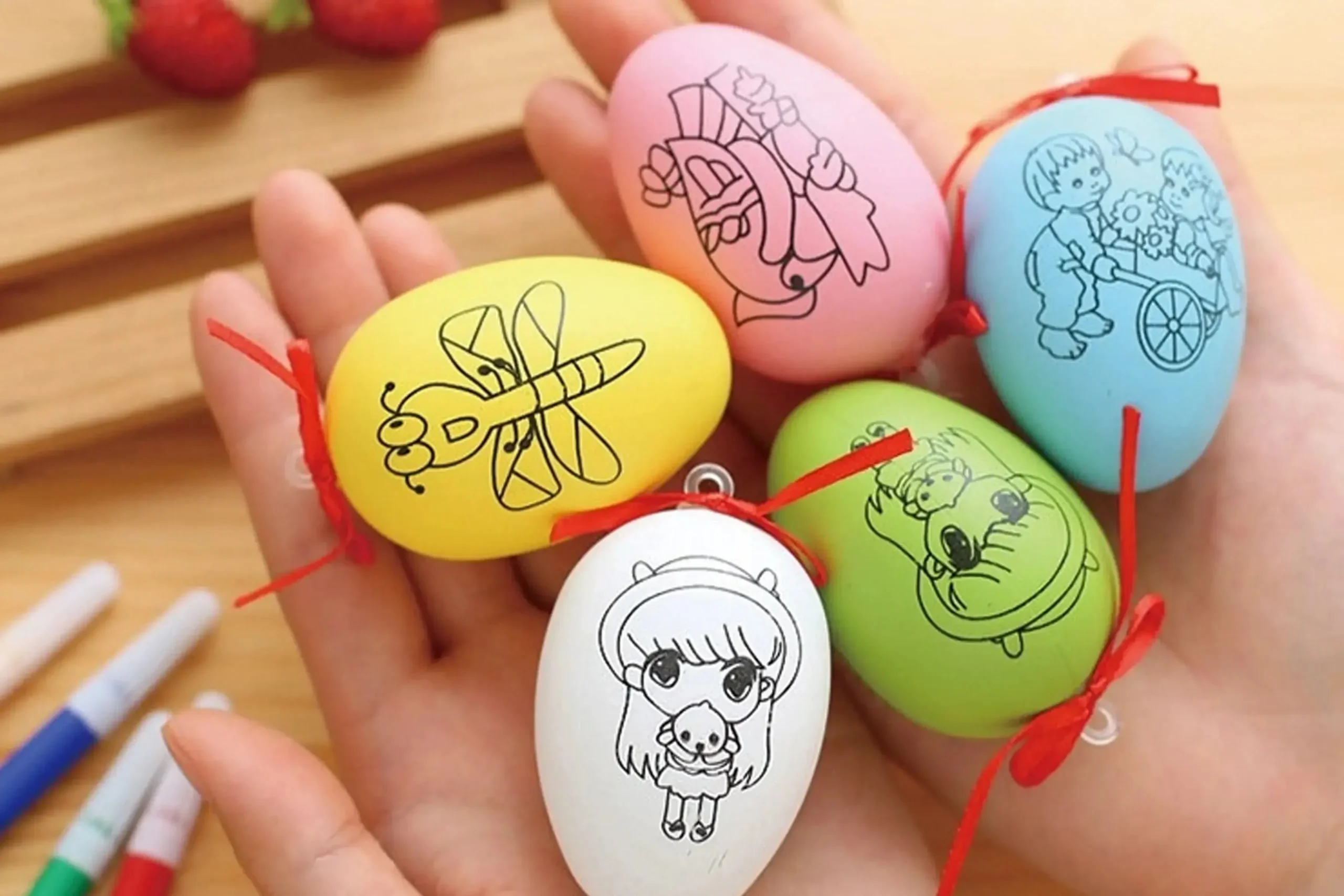
Screen printing produces thick, opaque solid‑color ink layers with thickness ranging from 0.05‑0.1 mm. It enables low‑cost, stable mass‑production runs for flat, simple graphic decorations on PVC figures, plush toys and custom toy packaging.
Each production line handles more than 500 pieces per hour. For bulk plastic and vinyl toy orders, single‑color screen stencils cost only $50‑100 apiece.
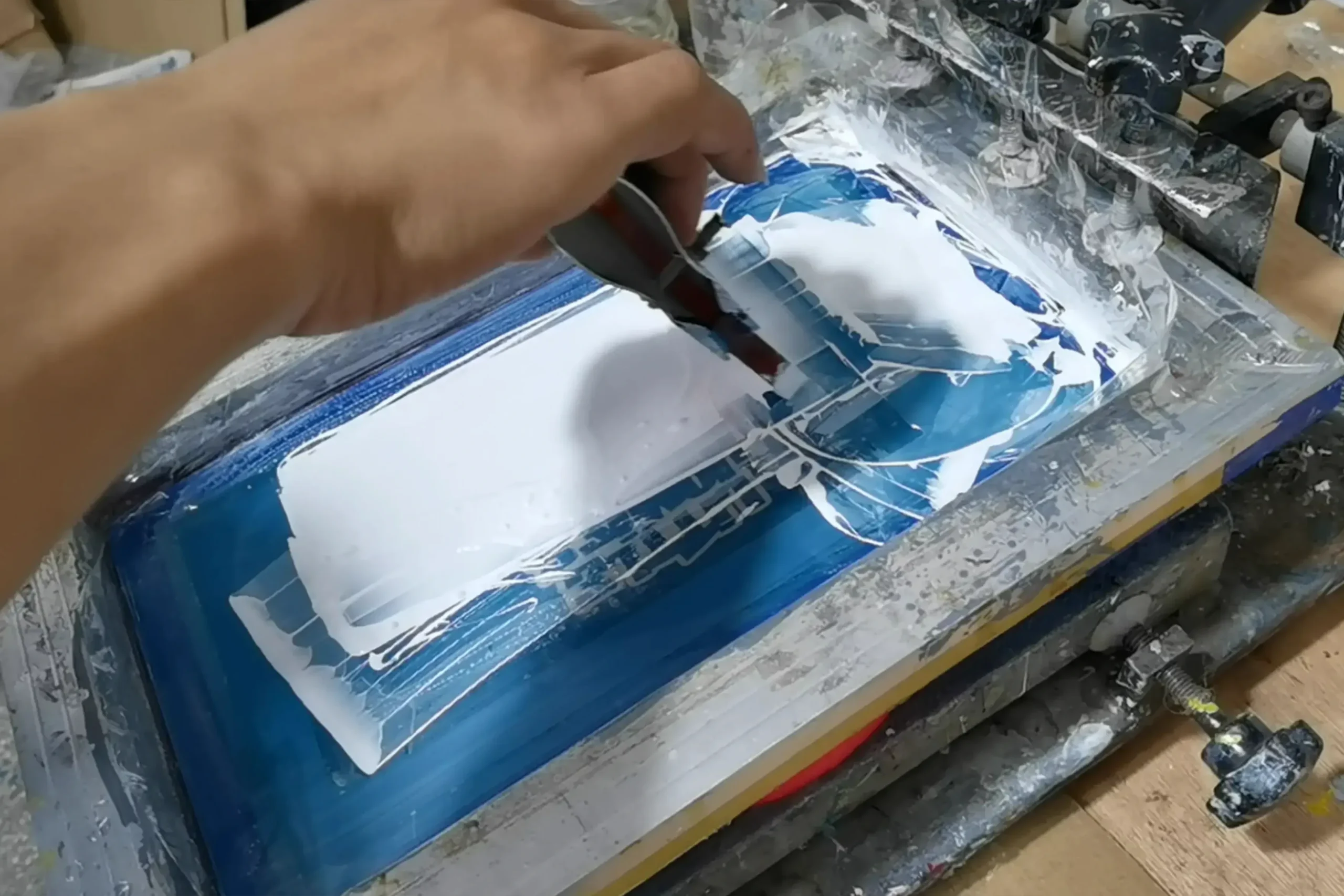
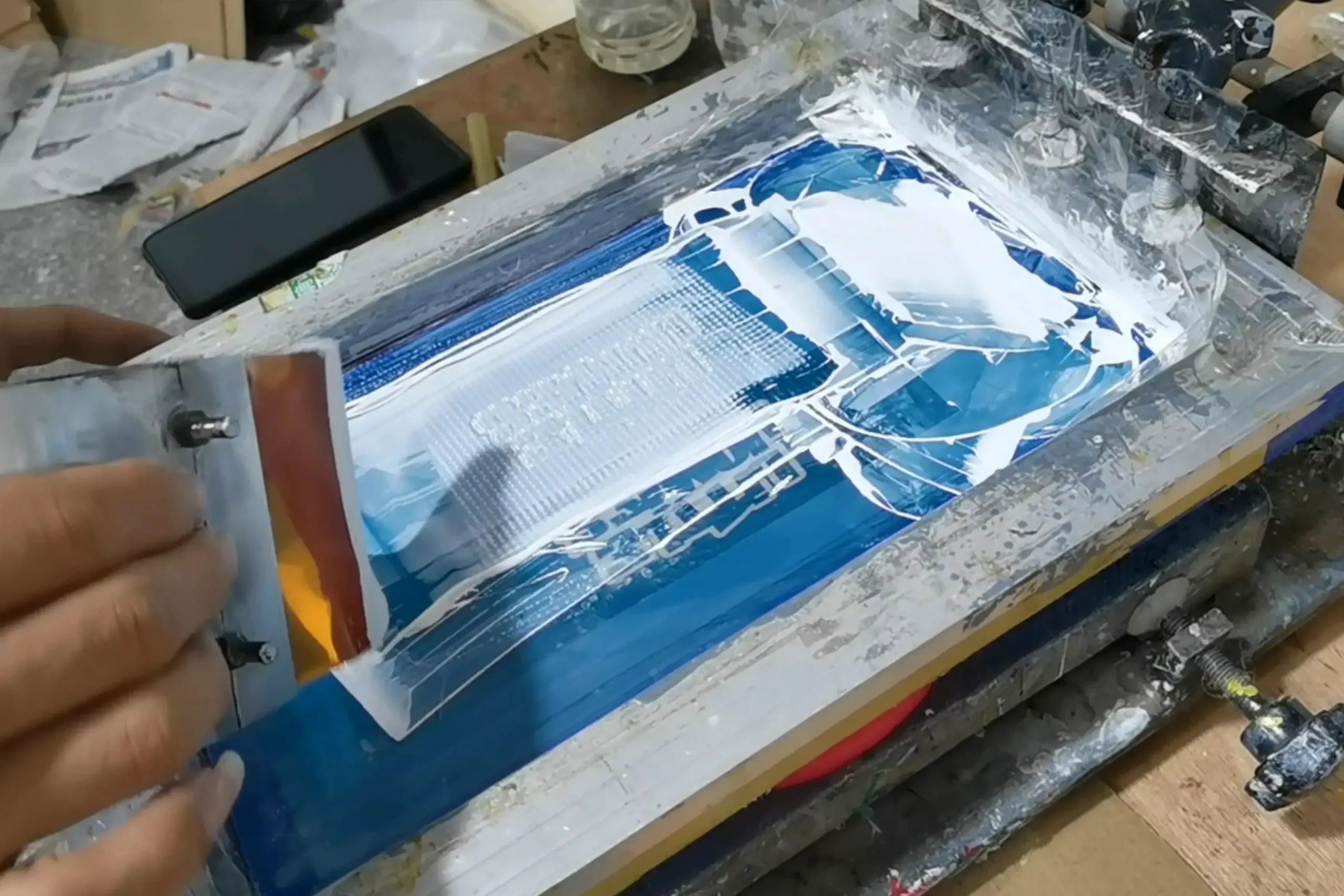
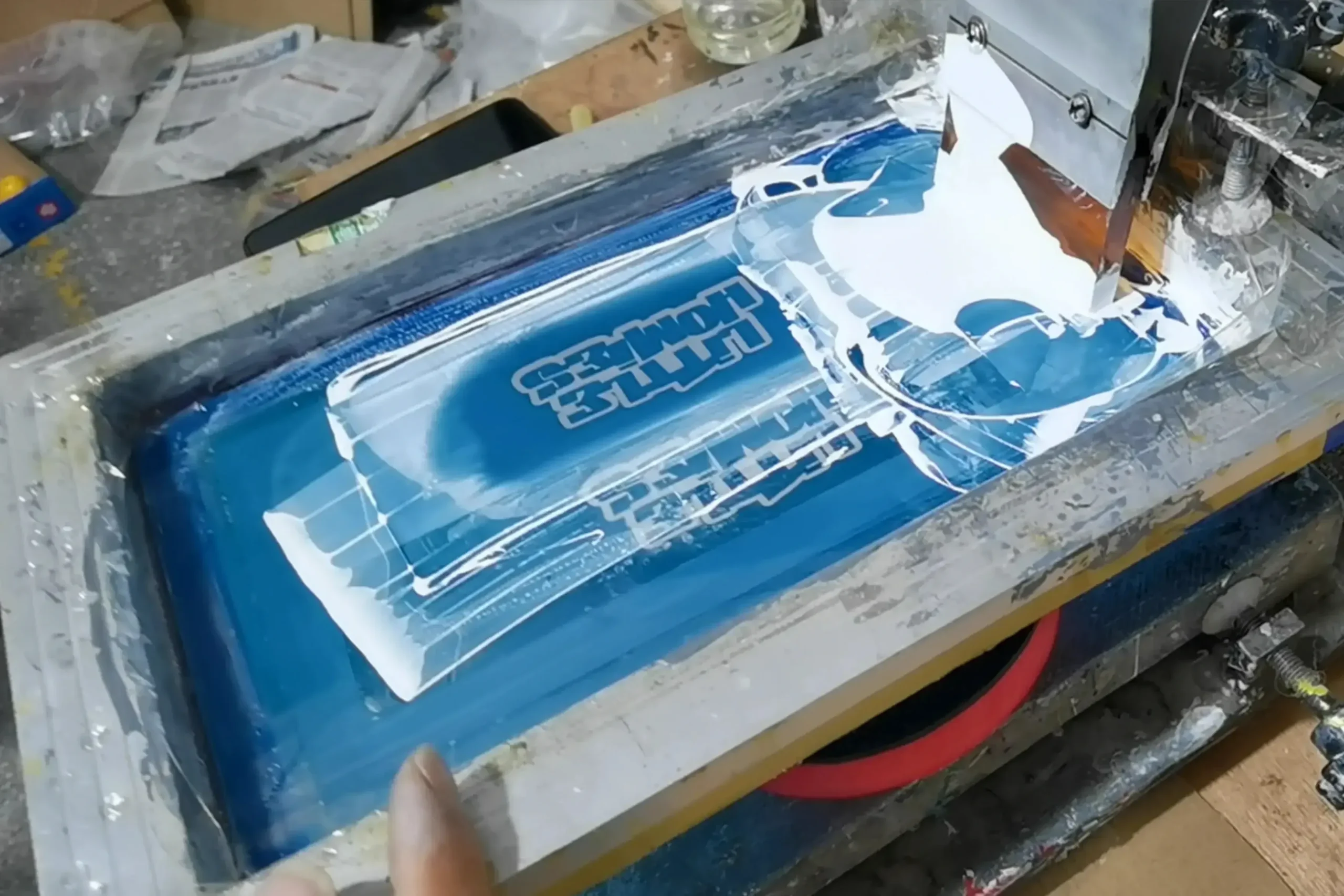
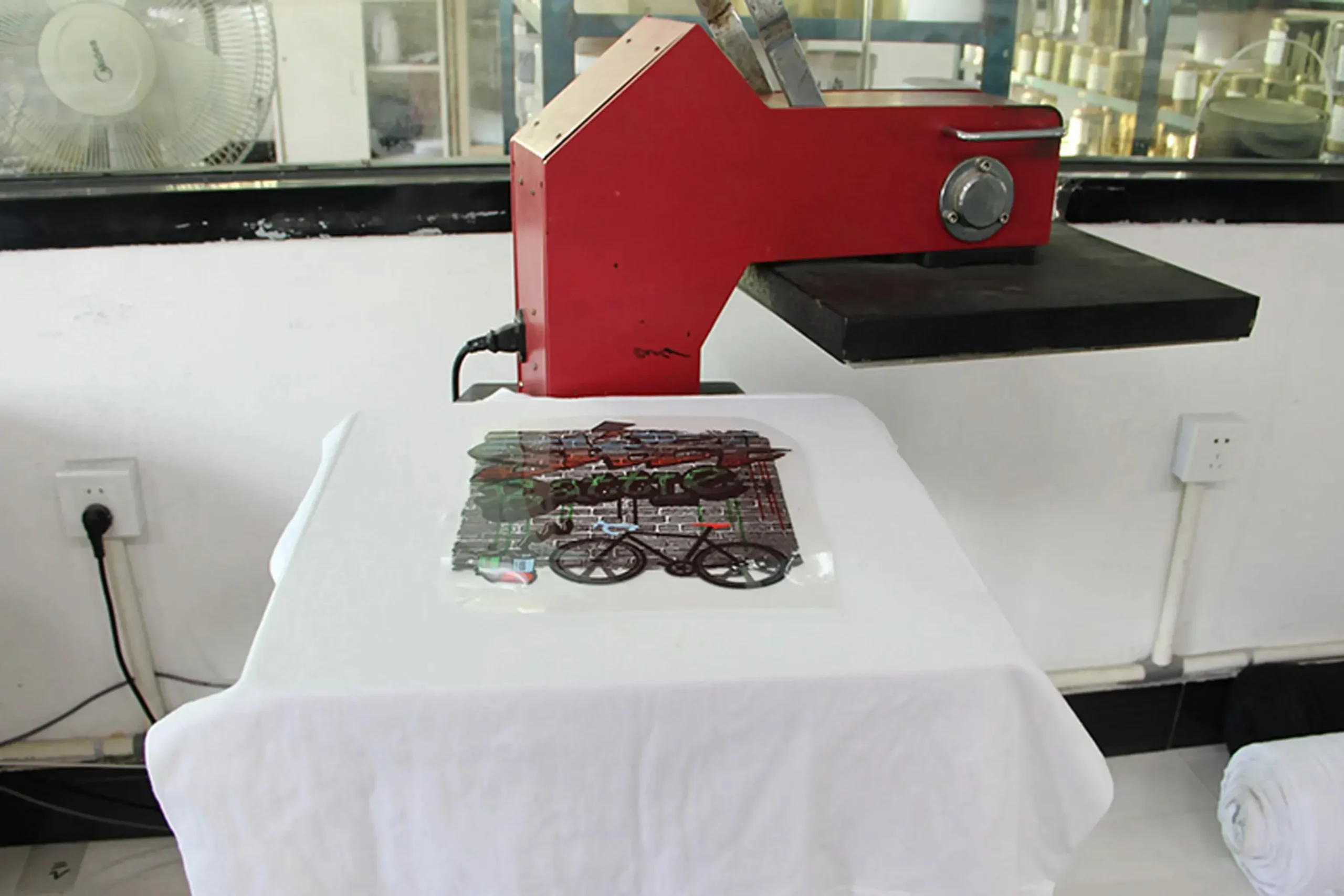
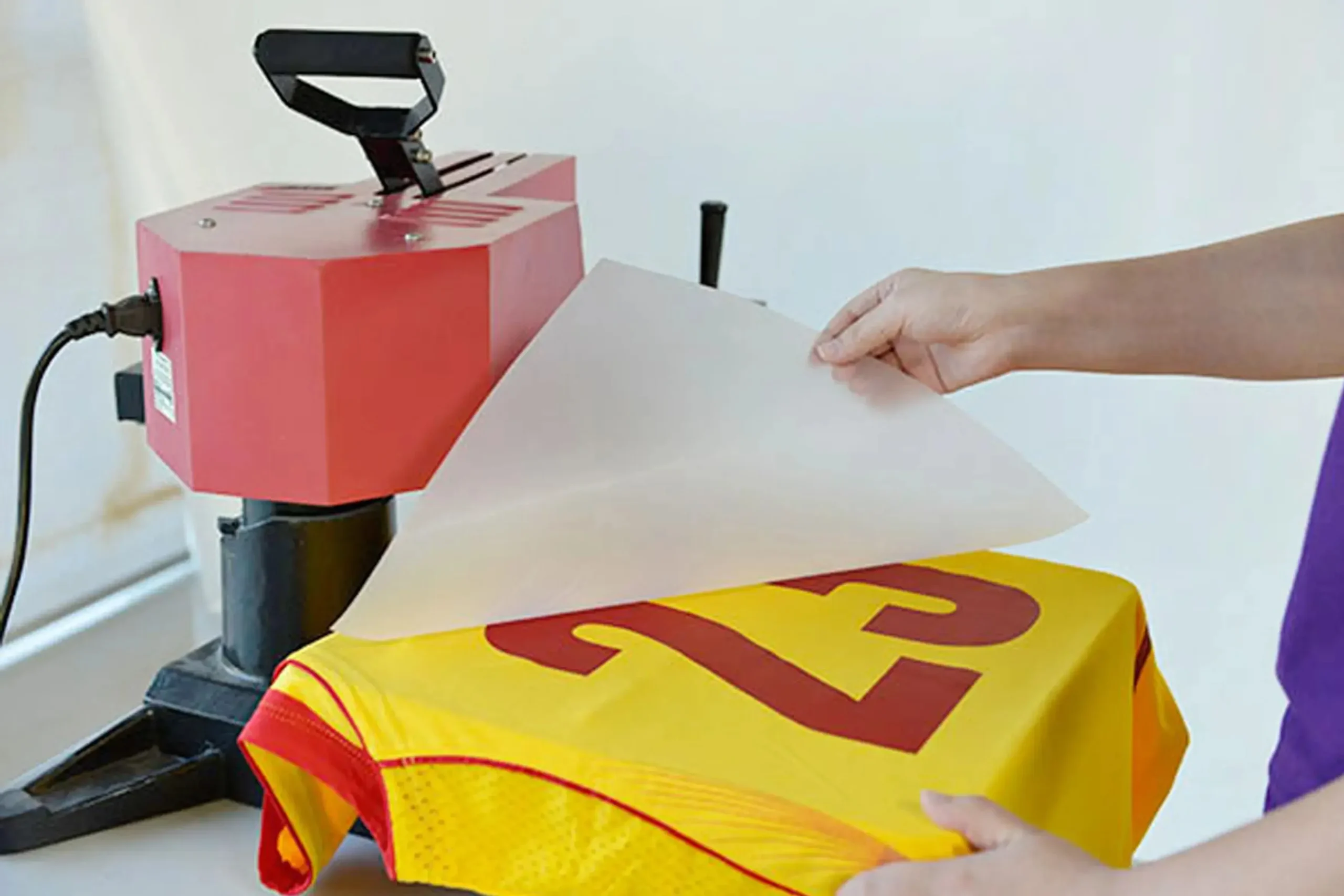
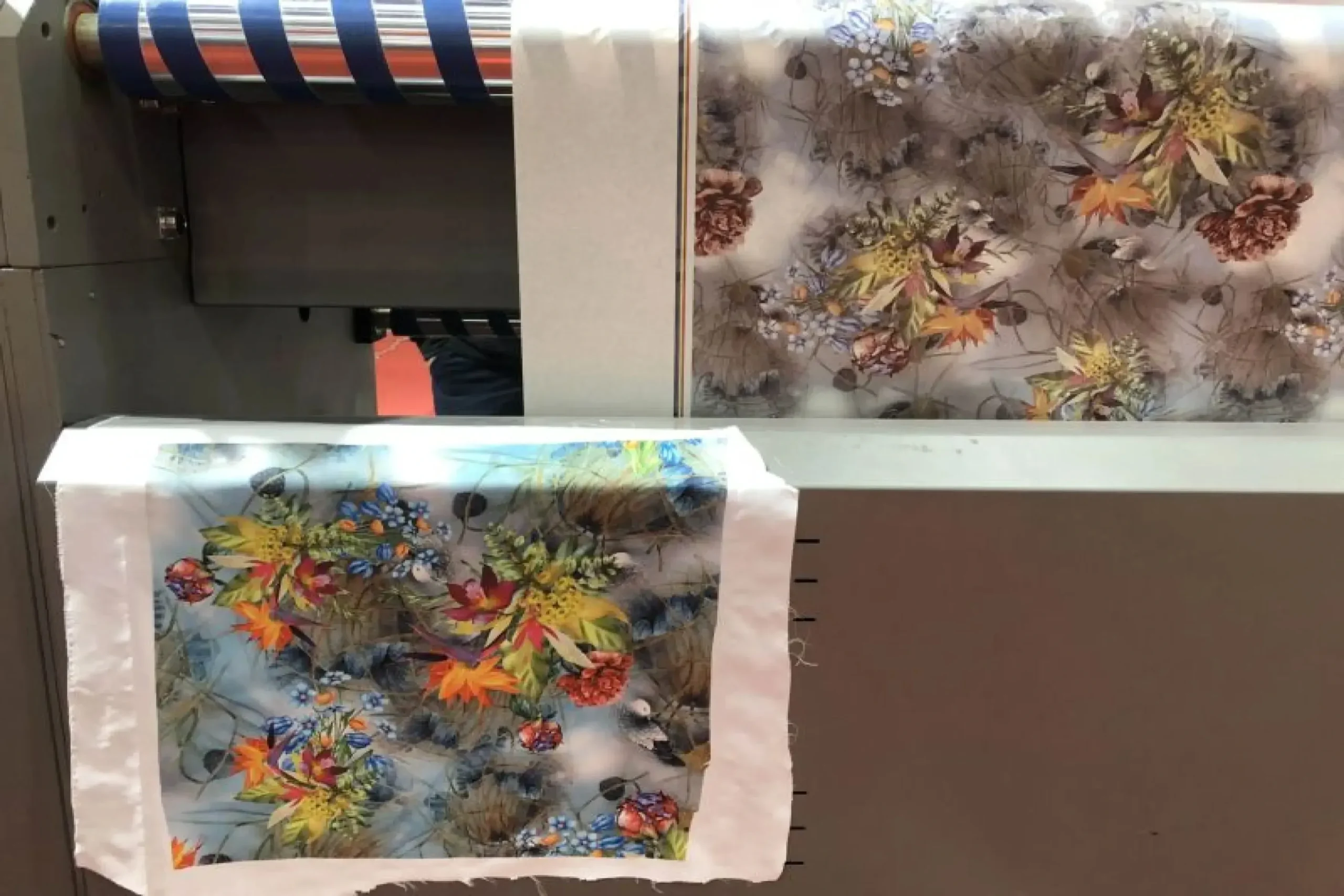
Heat transfer printing generates wrinkle‑free, full‑coverage graphics over regular curved surfaces such as spherical and cylindrical forms found on vinyl toys, PVC figures and plush toys, delivering outstanding wear resistance.
Operating at 150‑200°C, the transfer cycle takes merely 5‑10 seconds per unit and achieves a first‑pass yield higher than 90%. This process works perfectly for mass‑produced plastic and soft collectible toys.
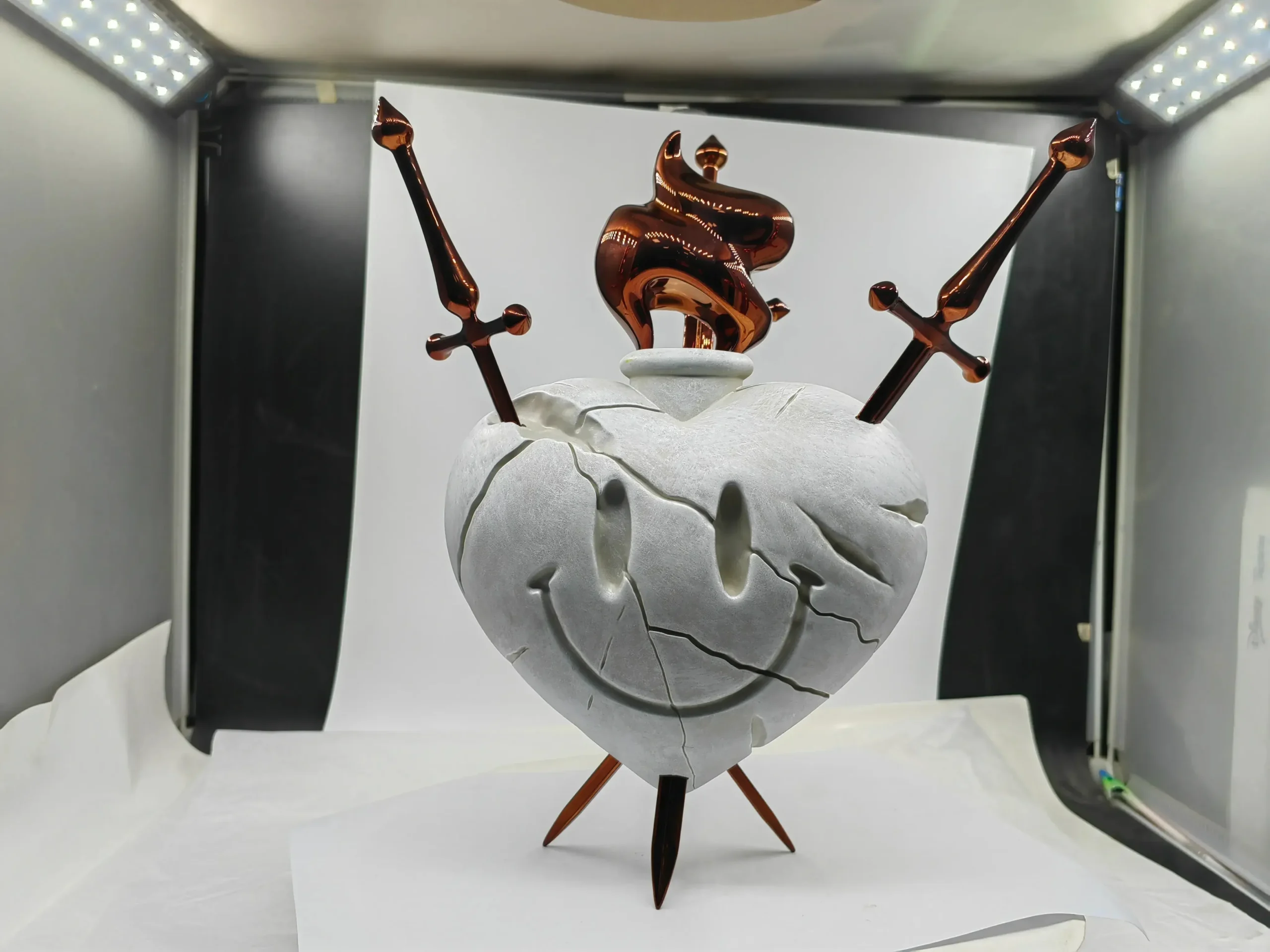
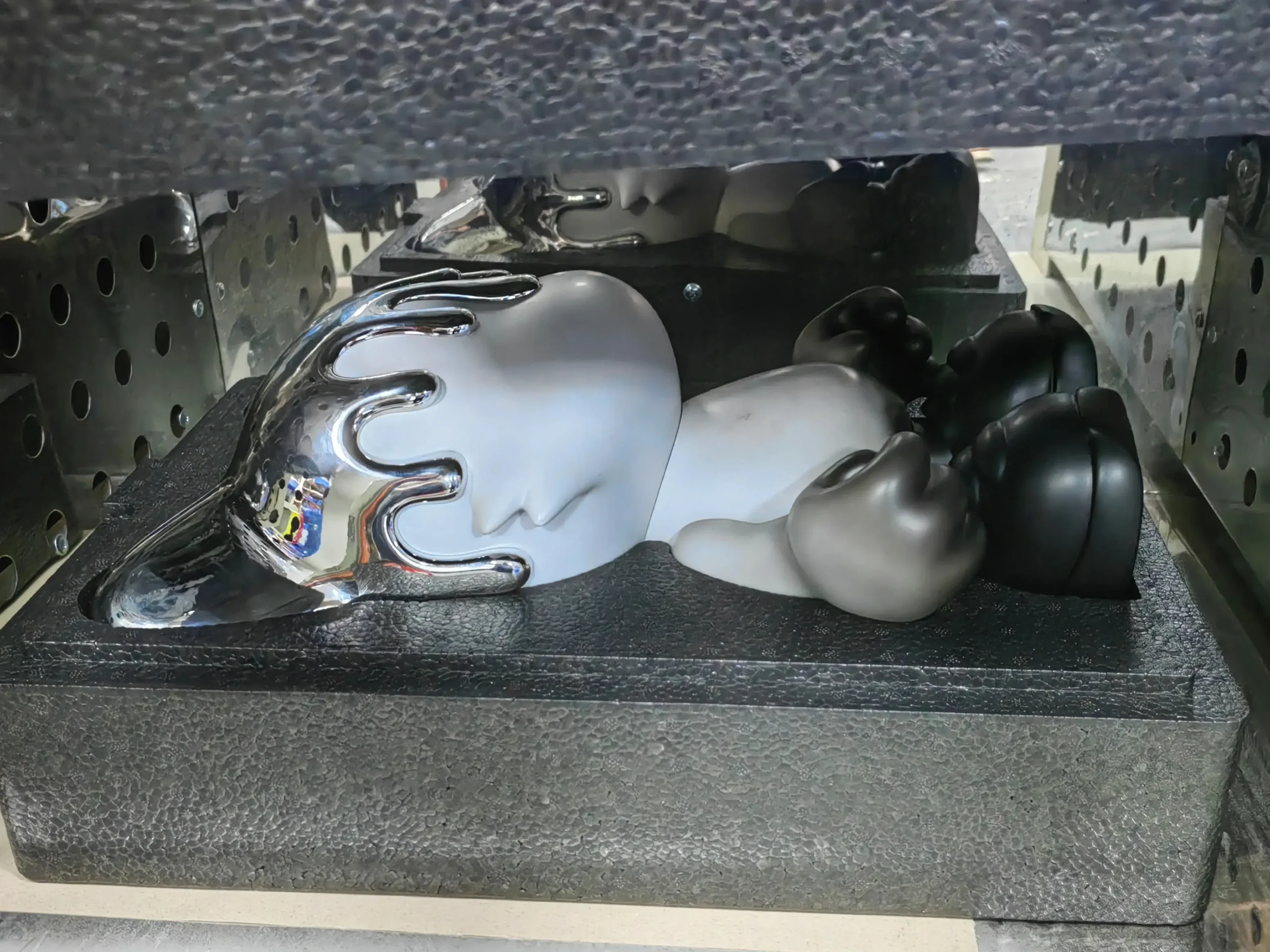
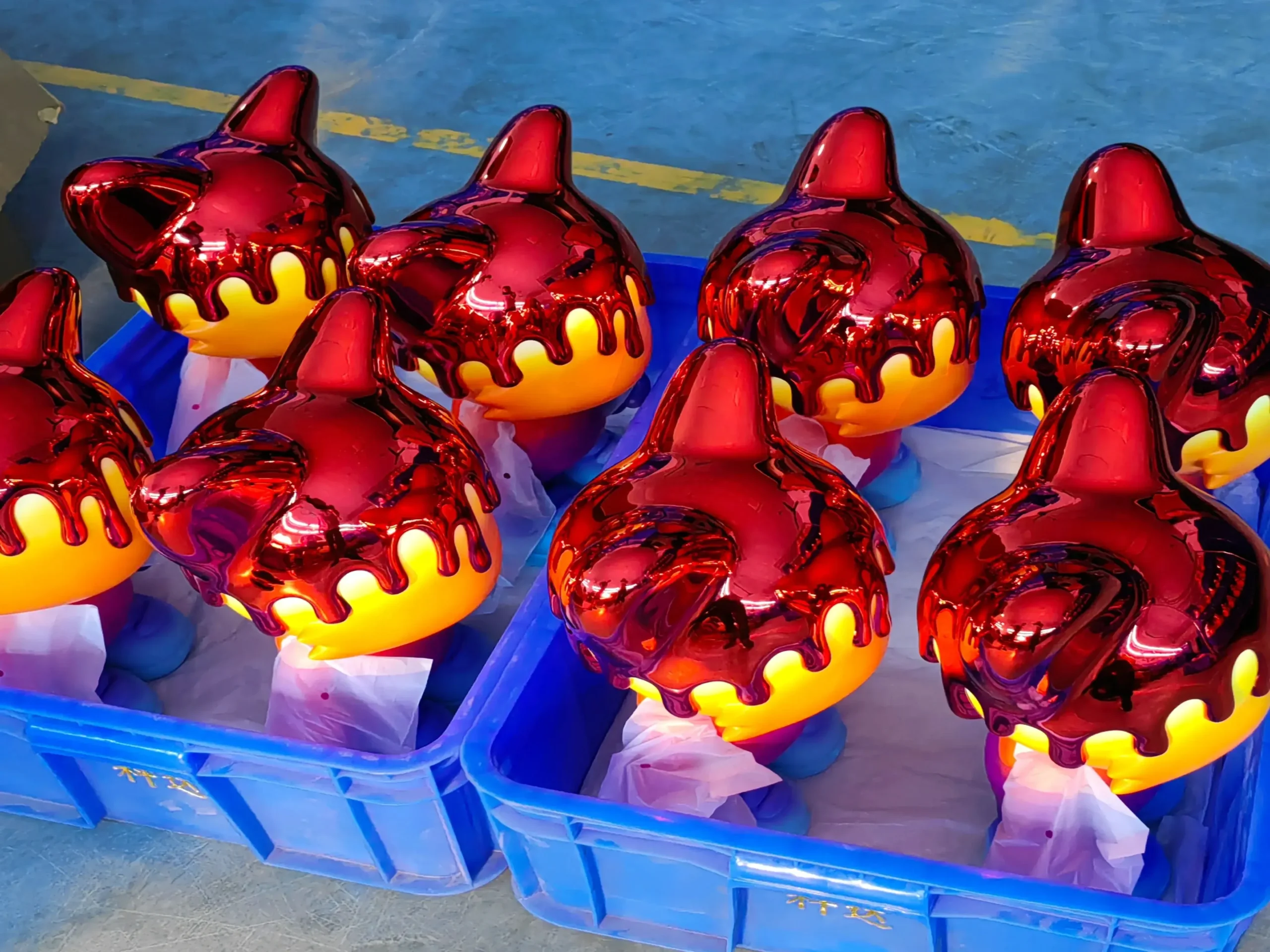
Electroplating produces high‑gloss mirror‑like metallic luster and hard, scratch‑resistant surfaces, ideal for premium metal‑style decorative components on PVC figures and vinyl toys.
The electroplated coating ranges 0.02‑0.05 mm in thickness, delivering over 4H scratch resistance and more than 2‑year anti‑oxidation performance. Stable plating results are only achievable with ABS substrates. It creates a seamless full‑metal finish with no need for secondary printing and maintains a production yield above 92%. This process stands as the top option for metallic‑look collectible art toys.
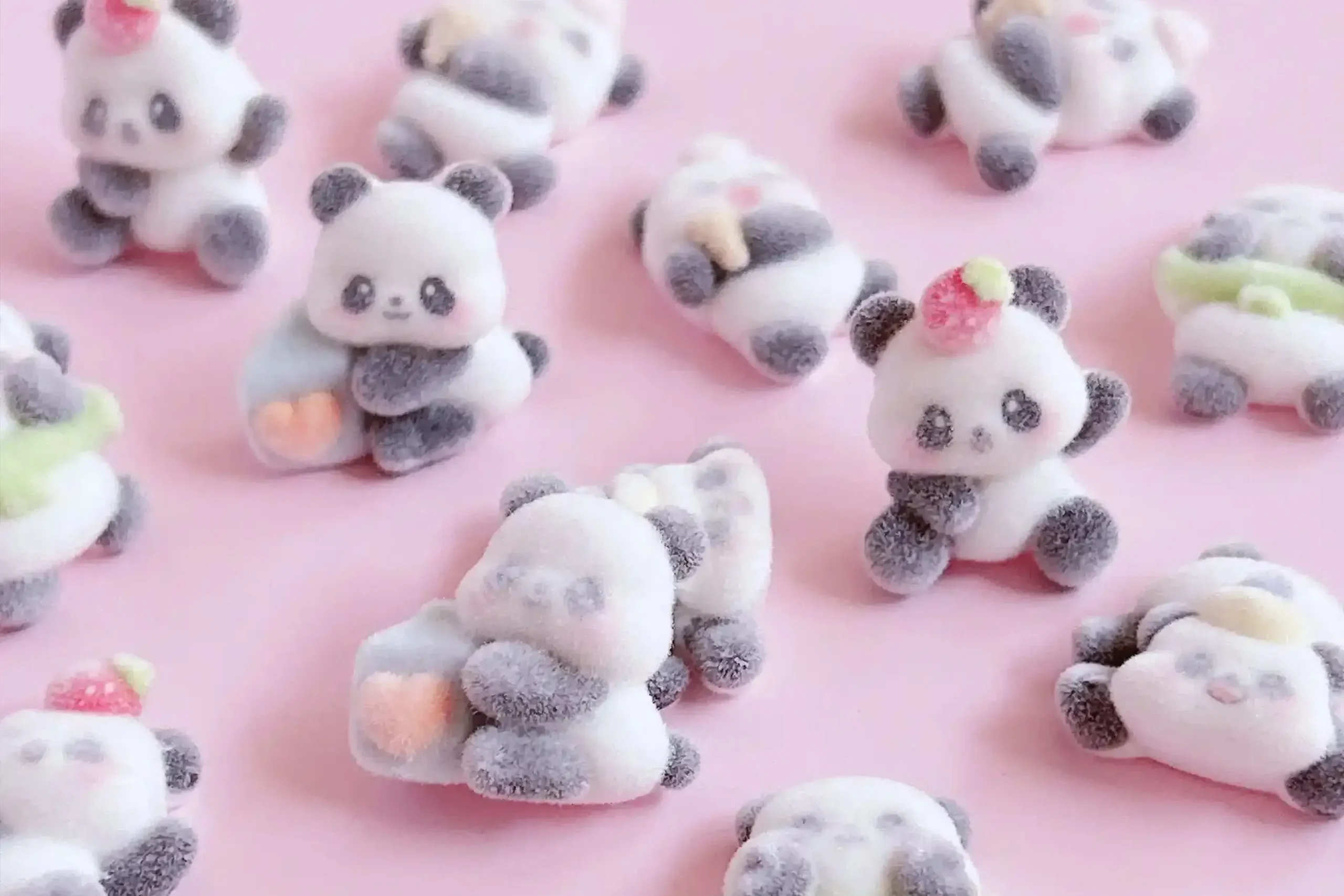
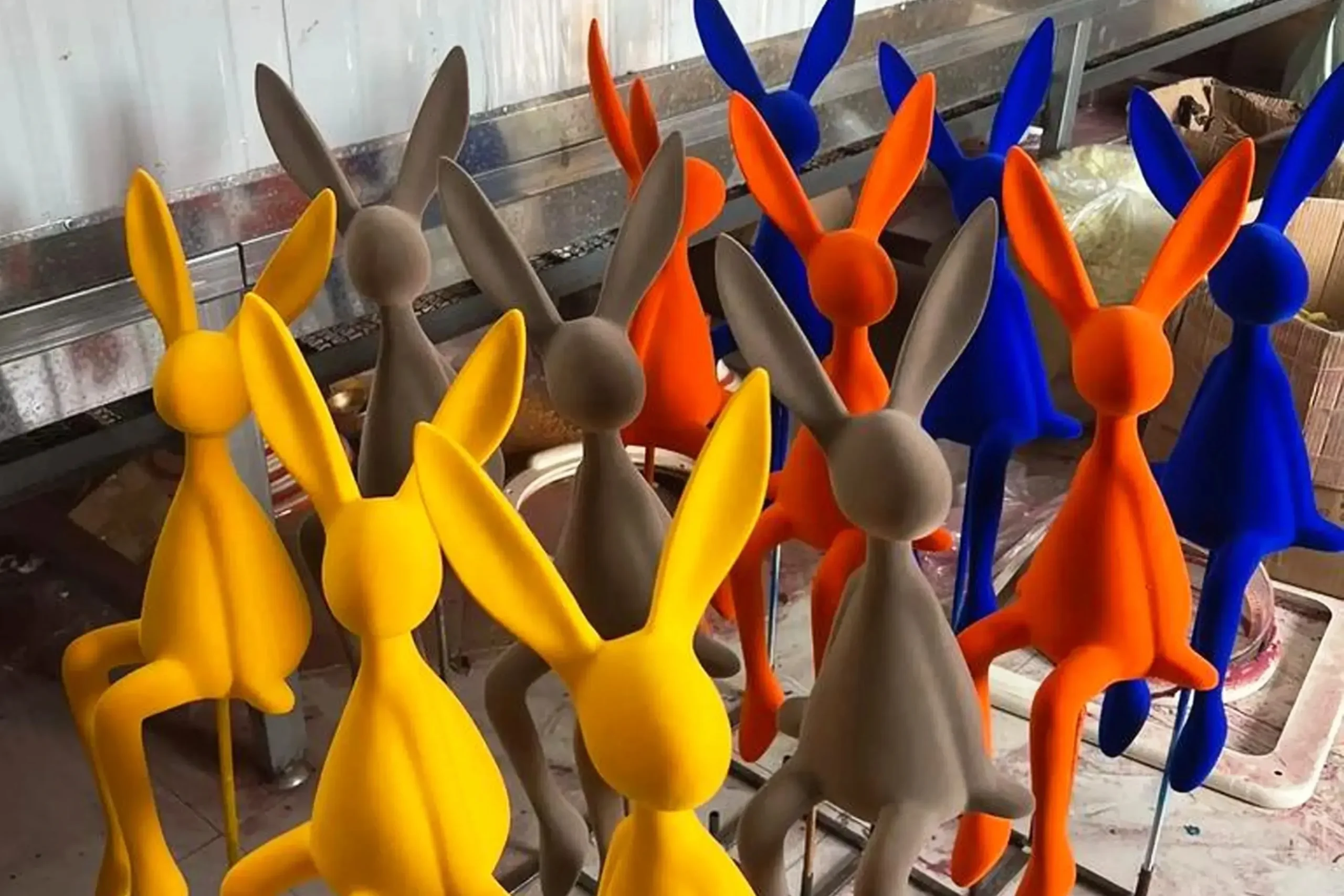
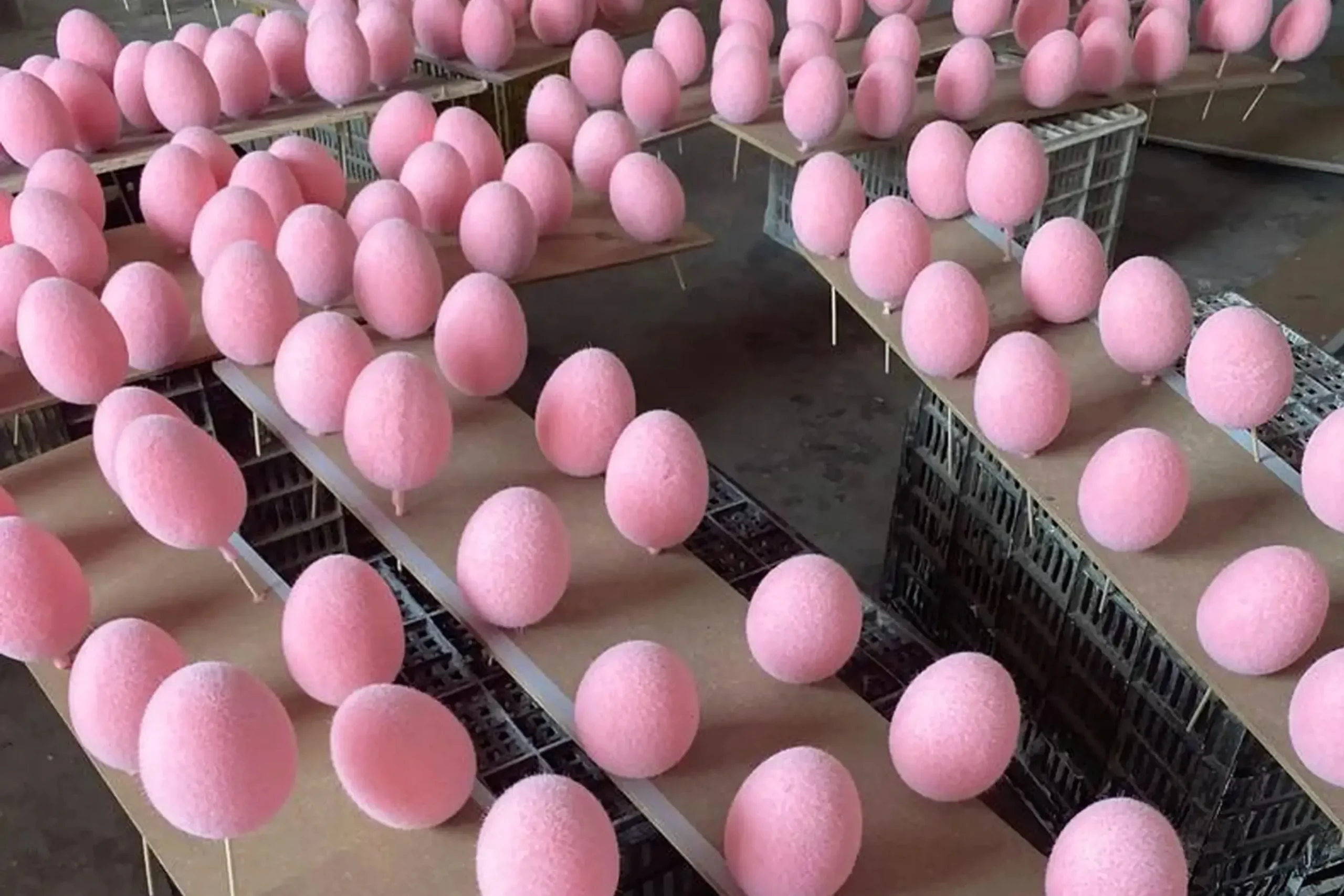
Flocking produces soft, velvety‑fluffy surfaces that recreate lifelike animal‑fur tactile textures for vinyl toys, PVC figures and miniature wood figures.
Fiber length for flocking spans 0.3‑1.0 mm, achieving over 93% fiber‑adhesion pass‑rate under standard friction tests. The process runs reliably on ABS, hard PVC and wooden toy blanks, though soft vinyl yields poor fiber bonding and cannot support dependable flocking treatment. Each workstation handles 80‑150 pieces per day, making it widely adopted for plush‑fur‑themed art‑toy collections.
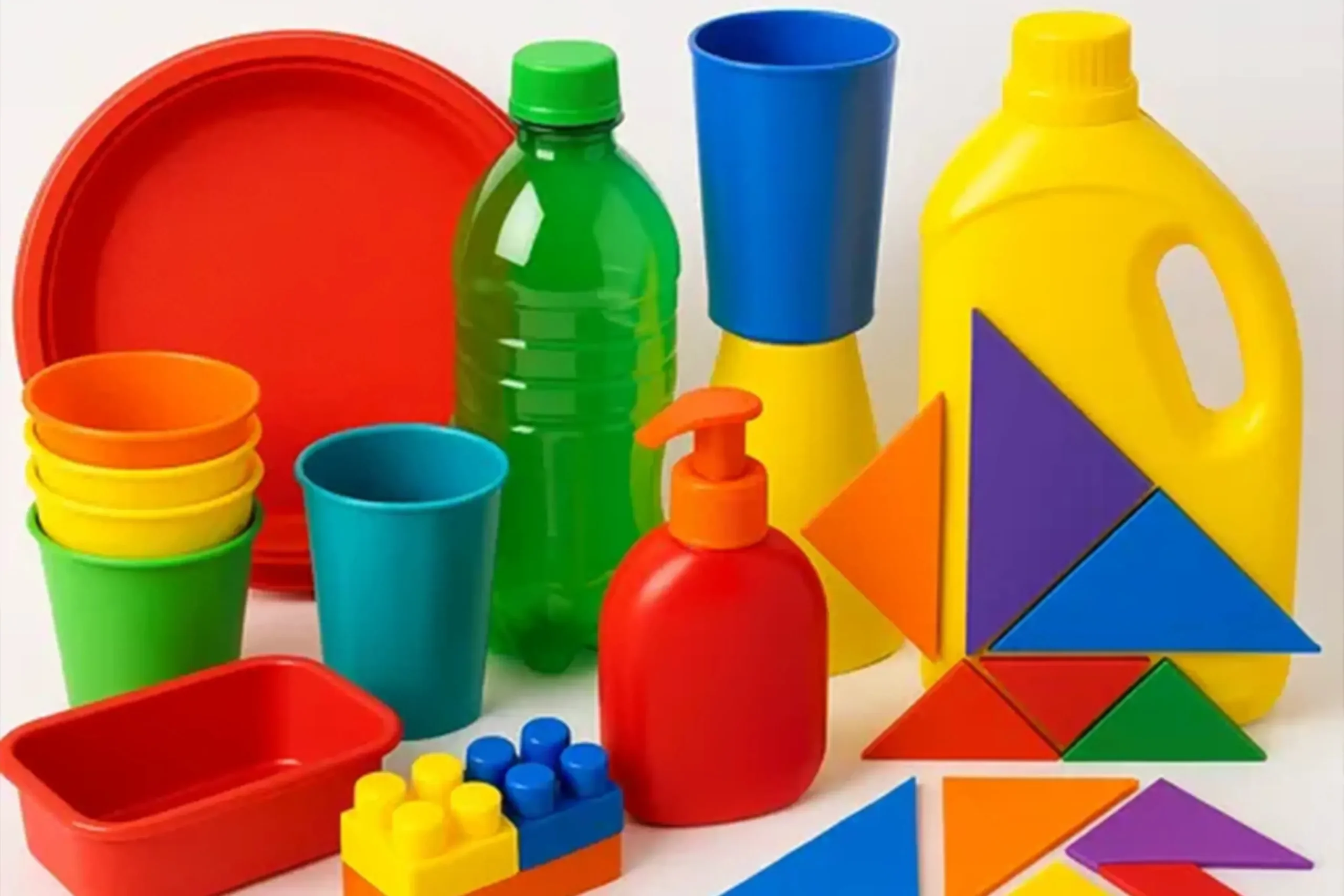
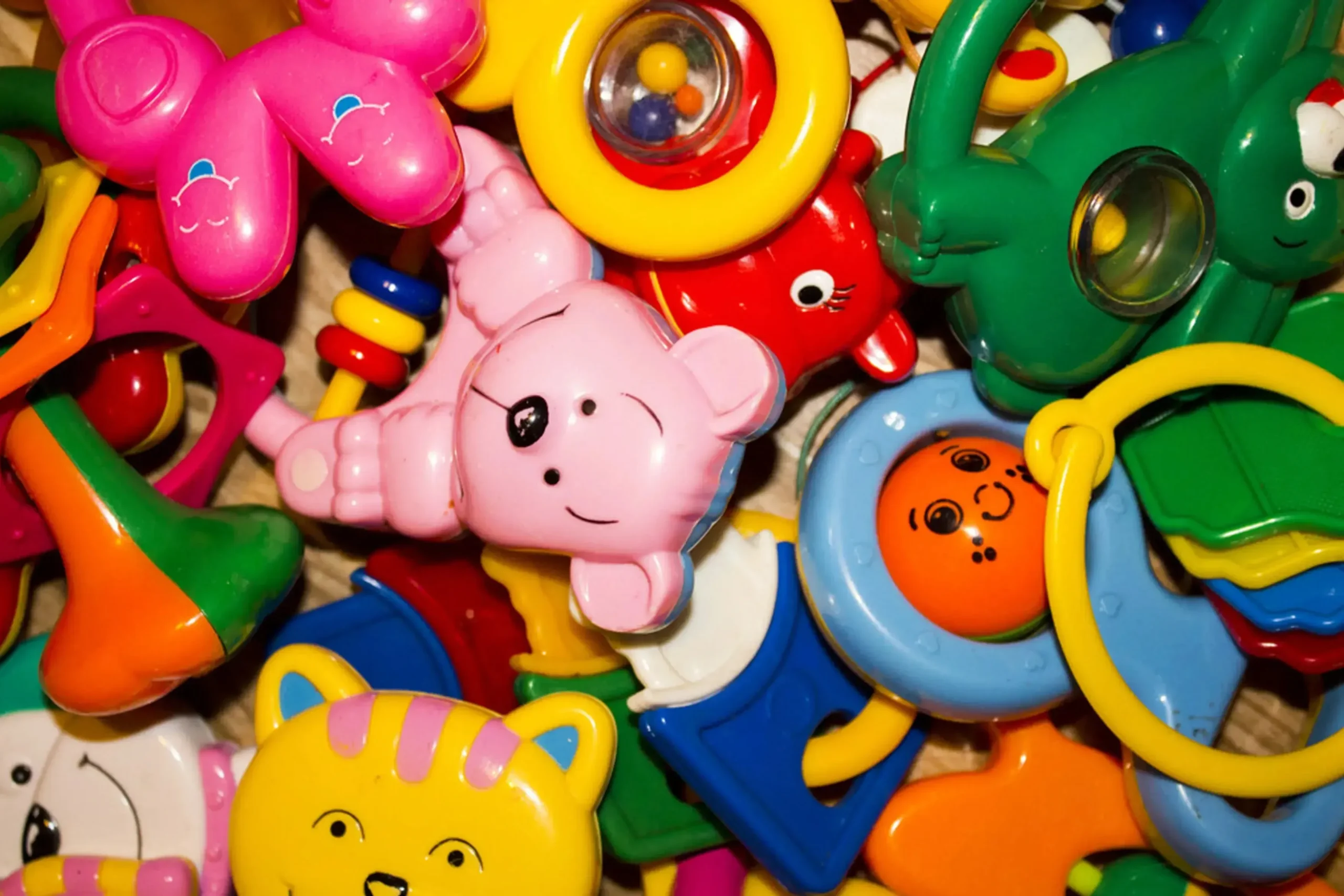
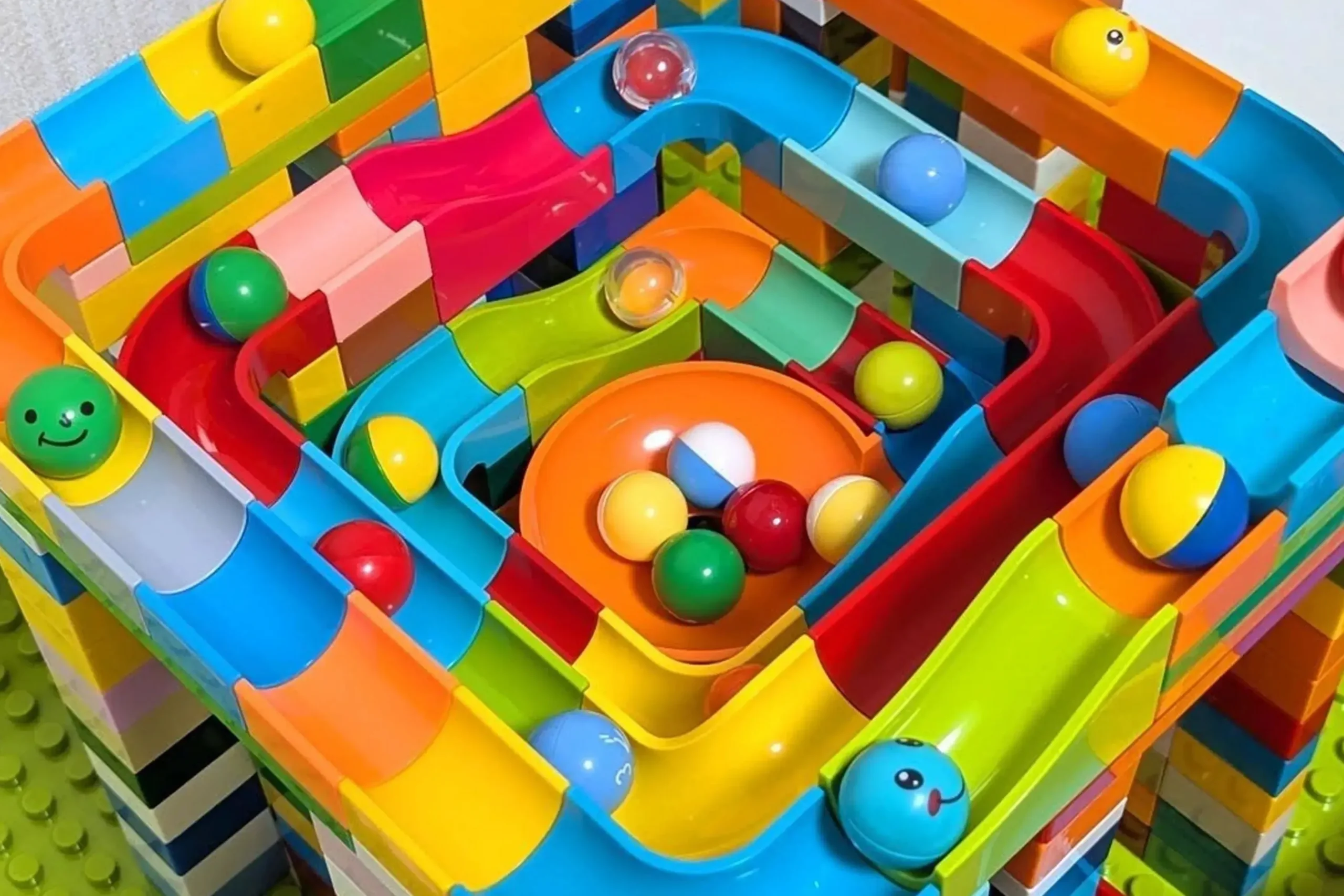
Mass base color produces integral pellet pre‑coloration for large‑run solid‑color toy batches, covering vinyl toys, PVC figures and plush toys. It completely removes post‑mold spray finishing steps with zero risk of surface paint peeling.
Compared with spray painting, this process cuts post‑coloring labor costs by 60%. Each production line delivers a daily mass output of 800‑1200 pieces. Compatible substrates include ABS, hard PVC, vinyl and plush fabrics, greatly reducing total manufacturing costs for high‑volume solid‑color plastic toy orders.
Spray painting is the optimal coloring solution for mass‑produced vinyl toys. It delivers high production efficiency and broad material compatibility (ABS, PVC, Vinyl, Resin, Wood), supporting full base coats, soft gradients, shadow layering and partial detail decoration. At Xingyi Toy, spray painting acts as our primary base‑coloring technique for all assembly‑line bulk orders.
Pad printing uses a silicone transfer pad to print ultra‑fine graphics from etched steel plates, ideal for tiny texts, brand logos, delicate facial lines and mini icons. Screen printing pushes ink through mesh screens to form large, flat solid‑color blocks, well‑suited for packaging graphics and simple flat decorations. Pad printing prioritizes ultra‑high precision, while screen printing delivers superior cost efficiency for large‑volume runs.
UV printing is the only coloring process fully compatible with nearly every toy substrate: ABS, PVC, Vinyl, Resin, Wood and plush fabric. It uses cold LED light to instantly cure ink without heat‑induced part damage, generating photorealistic ultra‑high‑definition patterns. Its main drawbacks are slower printing throughput and higher ink costs, making it best suited for limited‑edition custom pieces rather than high‑volume mass manufacturing.
Water decal is the most cost‑effective coloring method for toy prototyping and small‑batch custom orders. No costly custom molds are required; pre‑printed decals are soaked in water and adhered directly onto toy surfaces. At Xingyi Toy, we recommend water decals for new‑product sampling, multi‑style small test runs and prototype validation before investing in mass‑production molds.
Electroplating is the top finishing process for high‑gloss mirror, matte‑brushed and imitation gold/silver metallic textures on collectible toys. A dense genuine‑metal film is deposited onto ABS plastic surfaces during plating, delivering scratch‑ and oxidation‑resistance far superior to metallic spray paint. This treatment works reliably only on ABS substrates. PVC, vinyl, plush and wood cannot withstand its high‑temperature chemical plating solutions. For non‑ABS toy materials, metallic spray coating serves as an affordable alternative.