Address
304 North Cardinal
St. Dorchester Center, MA 02124
Work Hours
Monday to Friday: 7AM - 7PM
Weekend: 10AM - 5PM
Address
304 North Cardinal
St. Dorchester Center, MA 02124
Work Hours
Monday to Friday: 7AM - 7PM
Weekend: 10AM - 5PM

Custom Figure Factory
Custom Figure Factory
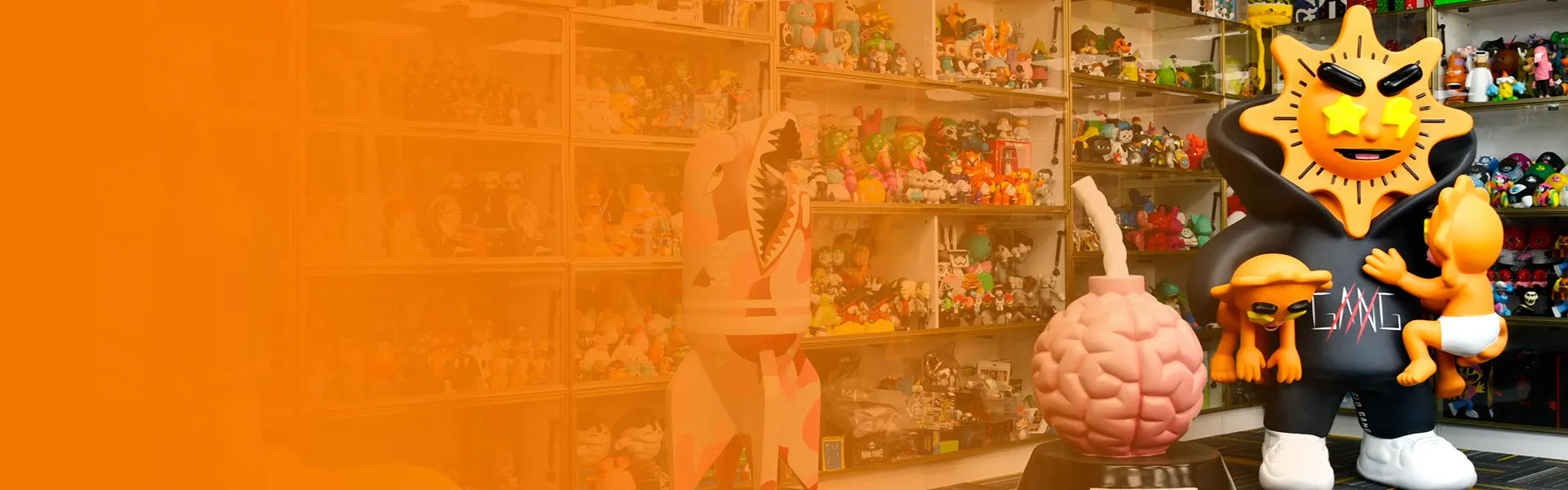
Xingyi Toy is not only a professional vinyl toy manufacturer, but also an expert in custom fiberglass statue production. We operate our‑own independent fiberglass statue factory as a trusted maker of life‑size fiberglass statues. Our in‑house team covers professional 3D modeling and dedicated mold‑making for large‑scale fiberglass statues. We partner with theme parks, shopping malls, gardens and other venues to transform spaces with giant FRP art sculptures.
Xingyi Toy’s fiberglass art pieces work well for both public art installations and commercial displays, widely recognized for their striking visual effect in urban landscapes and commercial sites. We have completed countless custom projects, including life‑size statues and large outdoor fiberglass decorative sculptures for clients worldwide. Xingyi Toy places great importance on custom fiberglass art, and we are dedicated to turning creative concepts into high‑quality finished art sculptures.
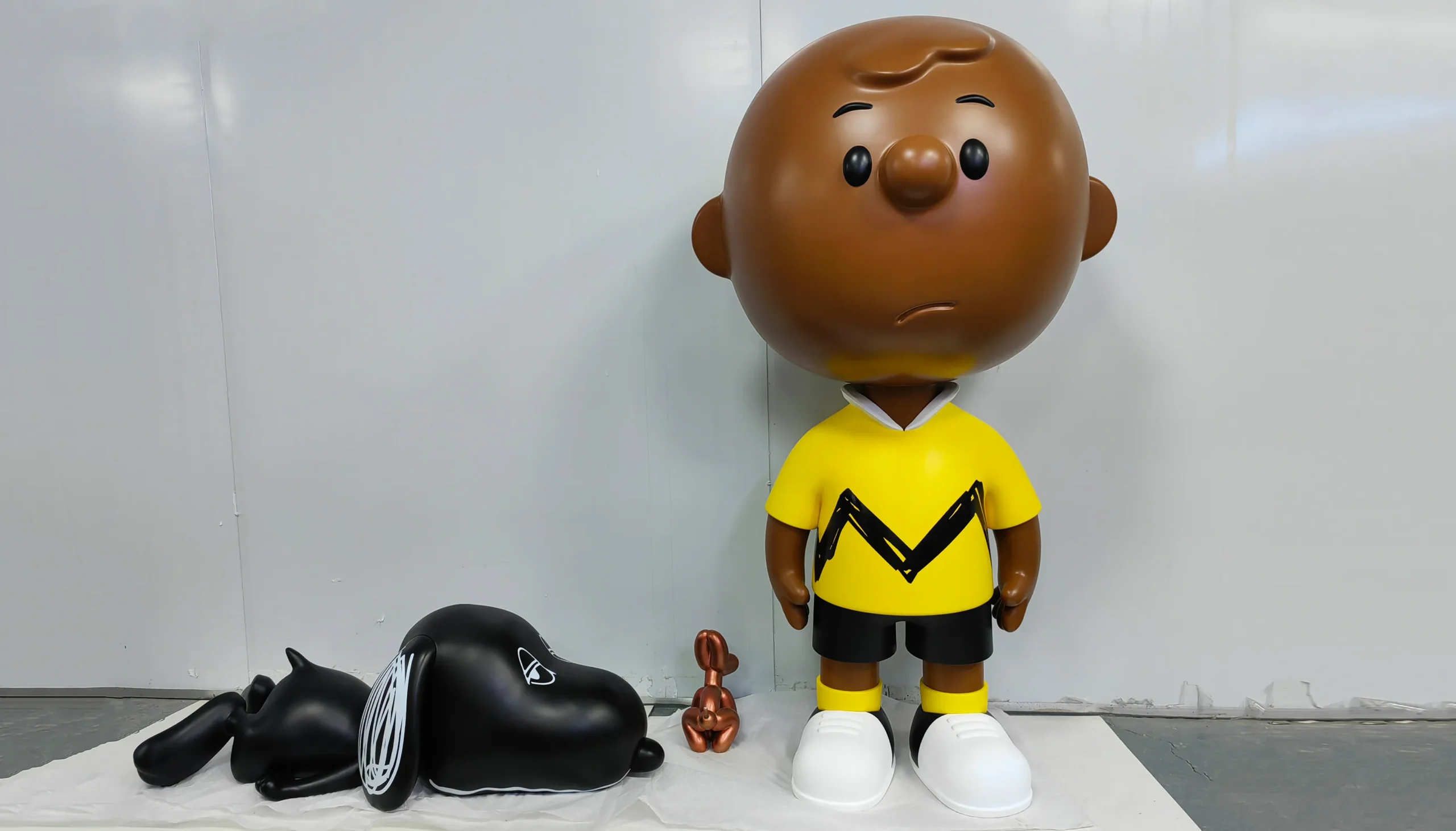
With over 10 years of OEM / ODM experience in custom life‑size fiberglass statues
Fiberglass, a high‑strength and versatile composite material, has transformed the field of large‑scale sculptures and art installations. This article explores the growing popularity of fiberglass statues — also referred to as glass‑reinforced plastic or FRP sculptures — covering their production workflow, representative works, and wide‑ranging real‑world applications in modern scenarios.
Fiberglass, also known as Glass Fiber‑Reinforced Plastic (GFRP or FRP), is an internationally recognized thermosetting plastic and highly versatile composite material with broad application scenarios.
It is produced via composite manufacturing processes that blend synthetic resin, glass fibers and various additives to create functional, innovative sculpture works. Despite its name, glass fiber‑reinforced plastic contains neither pure glass nor standalone fibers. Its matrix is made of high‑molecular organic resin, reinforced by glass fibers or textile fabrics.
The material gets its name from its glass‑like translucency or semi‑translucency, paired with steel‑level high strength. Scientifically, it is formally classified as glass fiber‑reinforced plastic, a designation that reflects its unique composition and physical properties.

Fiberglass sculptures are widely adopted across the sculpture industry for their flexible molding performance, short development and production cycles, fine craftsmanship, great wear resistance and long service lifespan.
In particular, the production of life‑size fiberglass statues has advanced rapidly based on hand lay‑up molding technology. Also called contact molding, the hand lay‑up process works by brushing resin onto the mold surface, then laying sheets of reinforcing fabric. The resin fully soaks the fibers while removing trapped air bubbles. Operators repeat this lay‑up procedure layer by layer until the entire mold surface is completely covered. After full curing, the finished art sculpture is released from the mold.
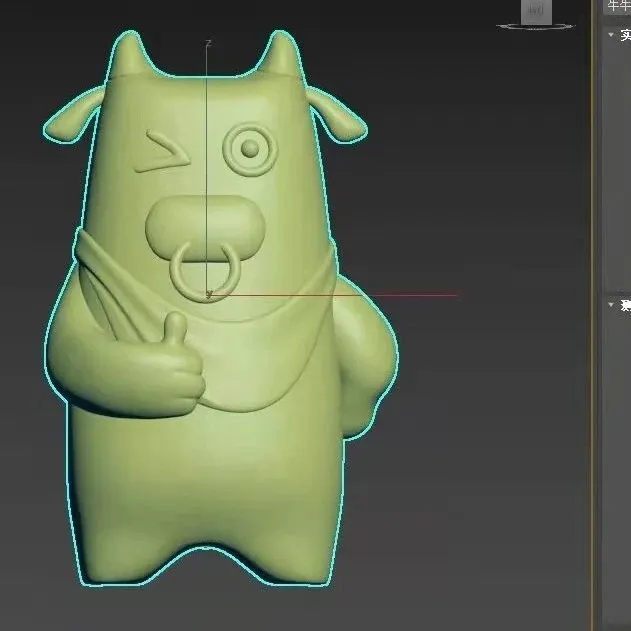
Designers create a precise 3D model according to client’s sketches and requirements. This digital file acts as the master blueprint for our fiberglass sculpture production.
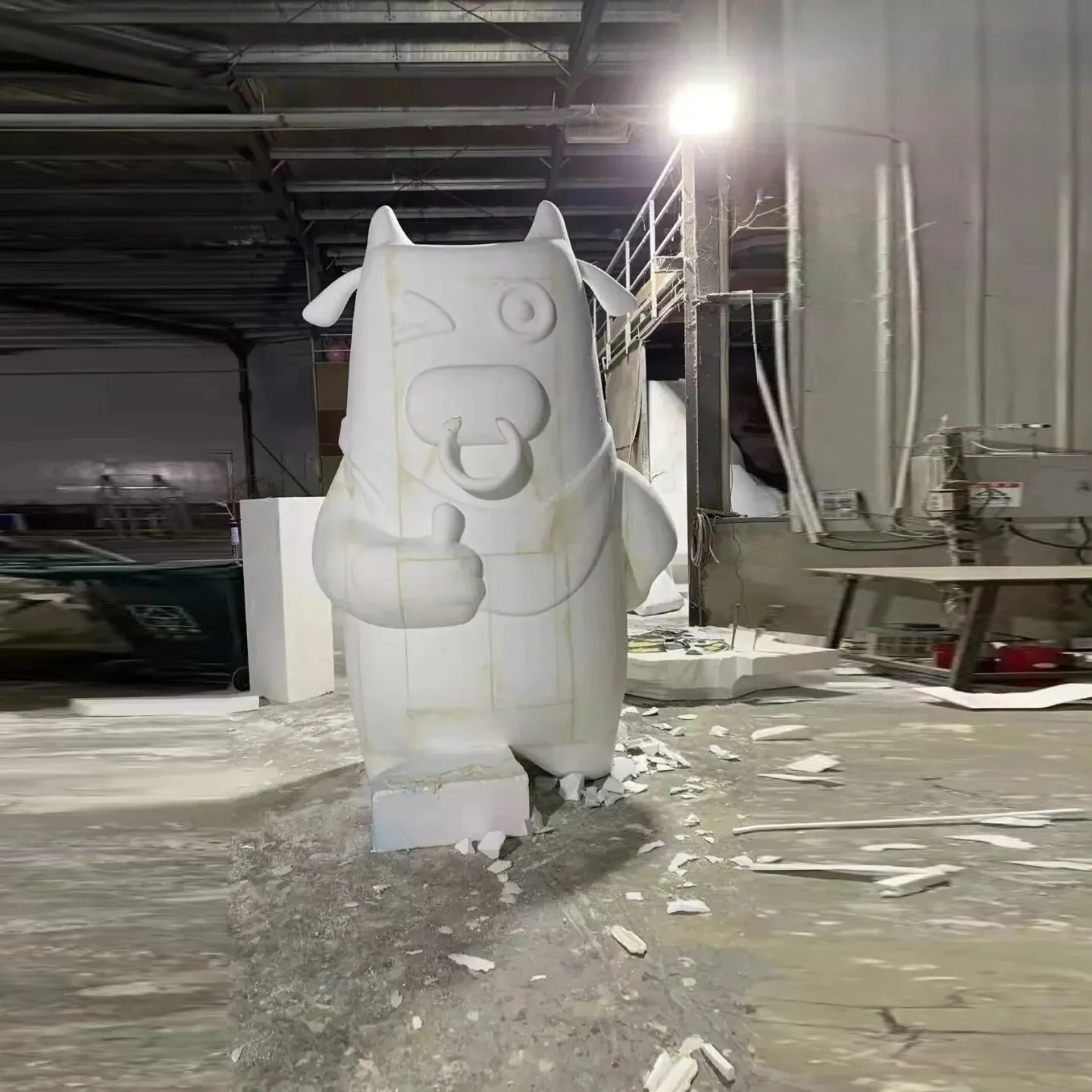
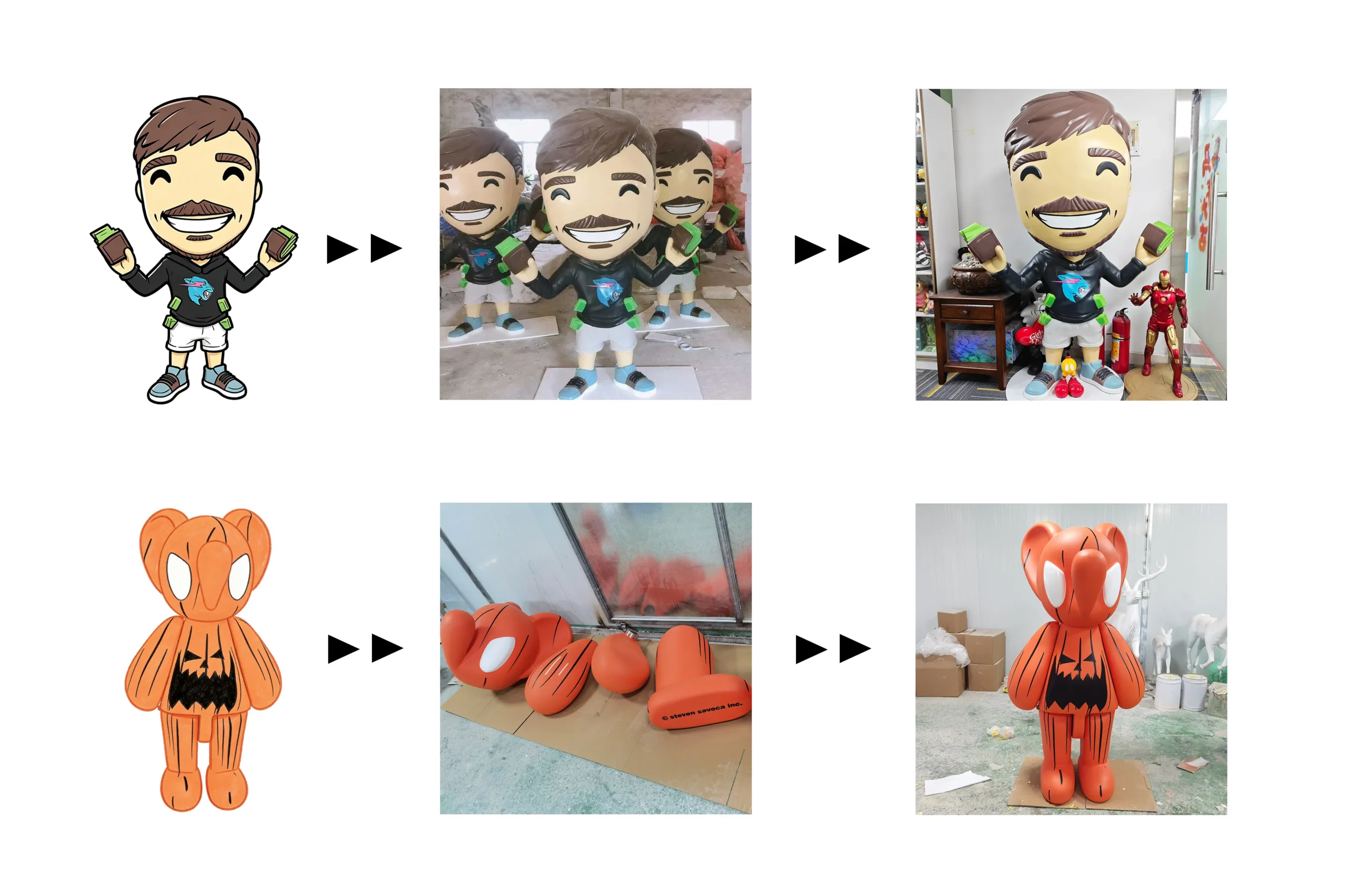
Based on the finalized 3D model, we carve a foam prototype. It delivers a tangible full-size physical preview of the artwork’s shape and details.
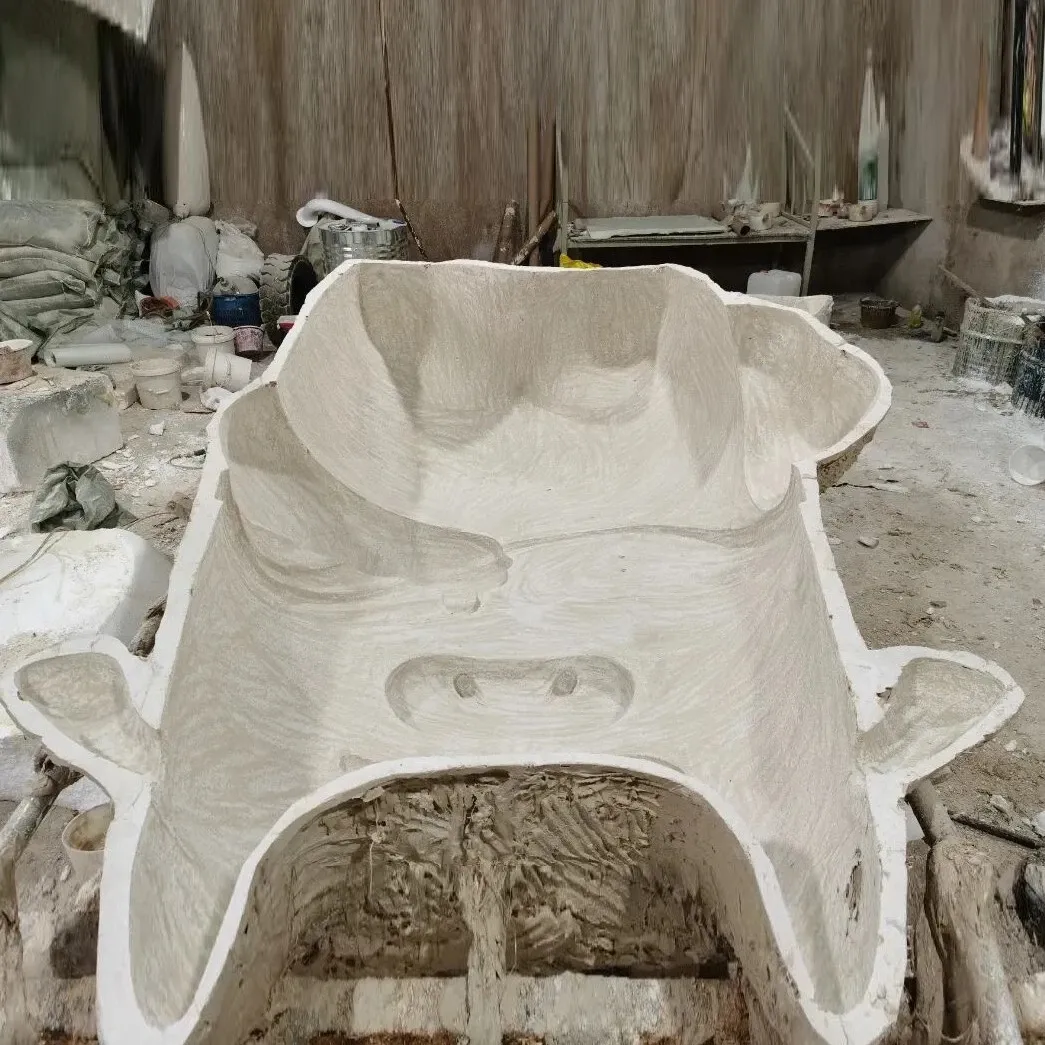
We build molds matched to production volume. Foam or plaster molds suit small batch orders, while durable fiberglass molds are adopted for mass production.
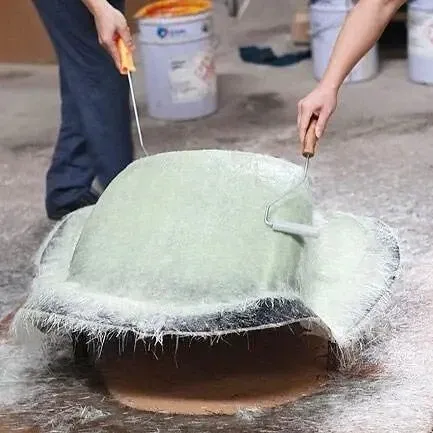
We laminate fiberglass and resin layer by layer inside the mold. Large-scale statues will be fitted with internal support frames to guarantee structural stability.
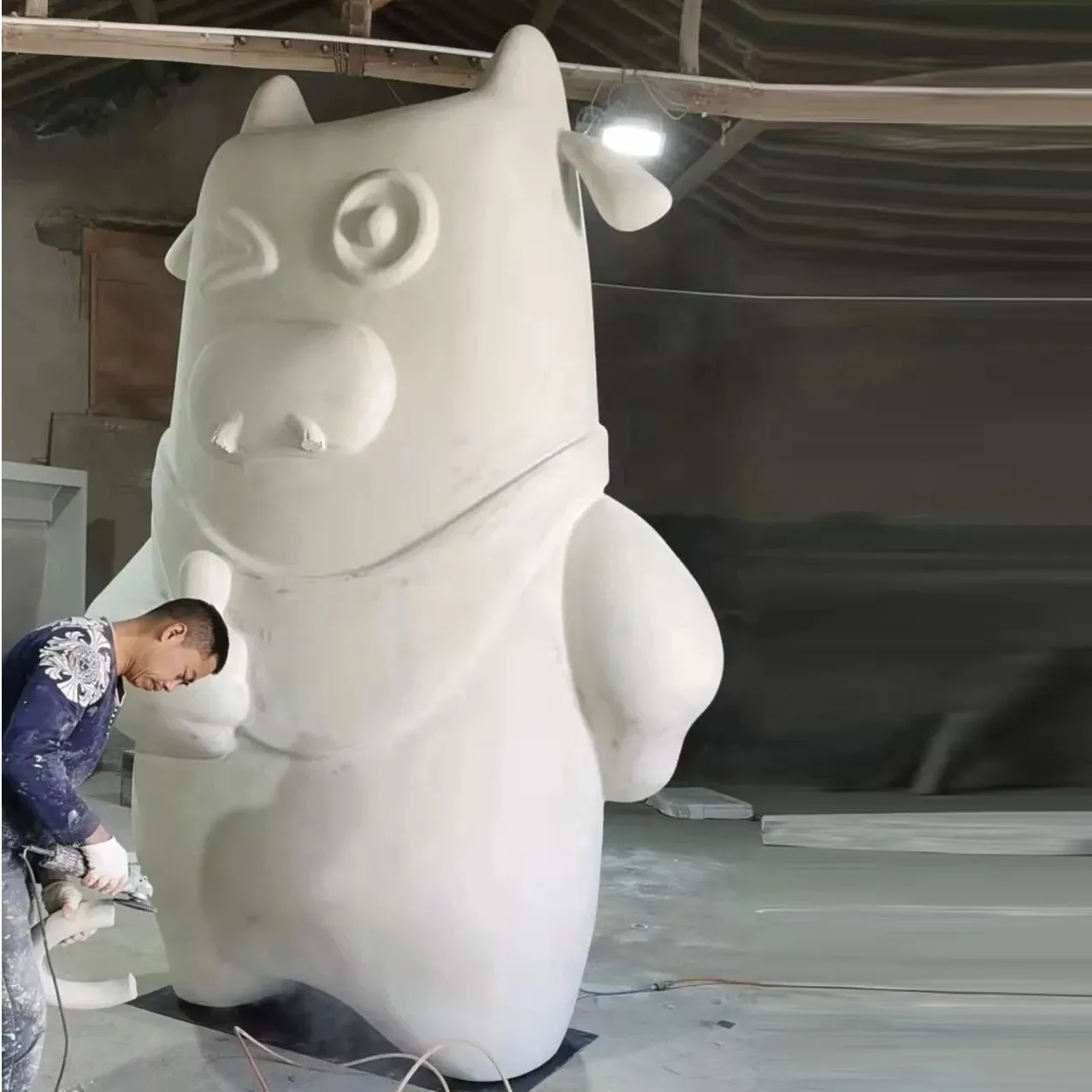
Once the fiberglass part is fully cured and hardened, we carefully separate the finished sculpture from the mold.
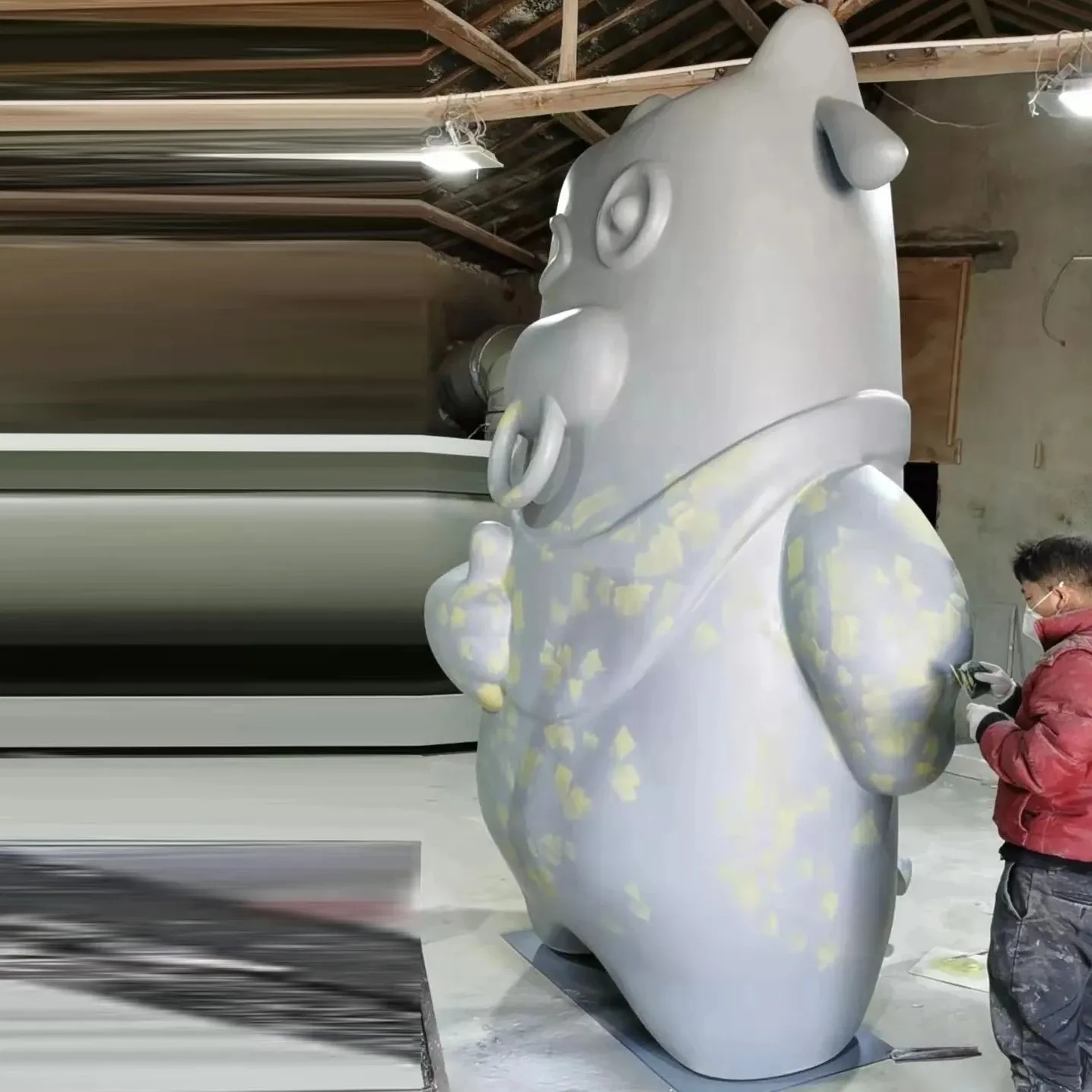
The demolded fiberglass sculpture undergoes careful trimming and reshaping, correcting contours to fully match the approved design.
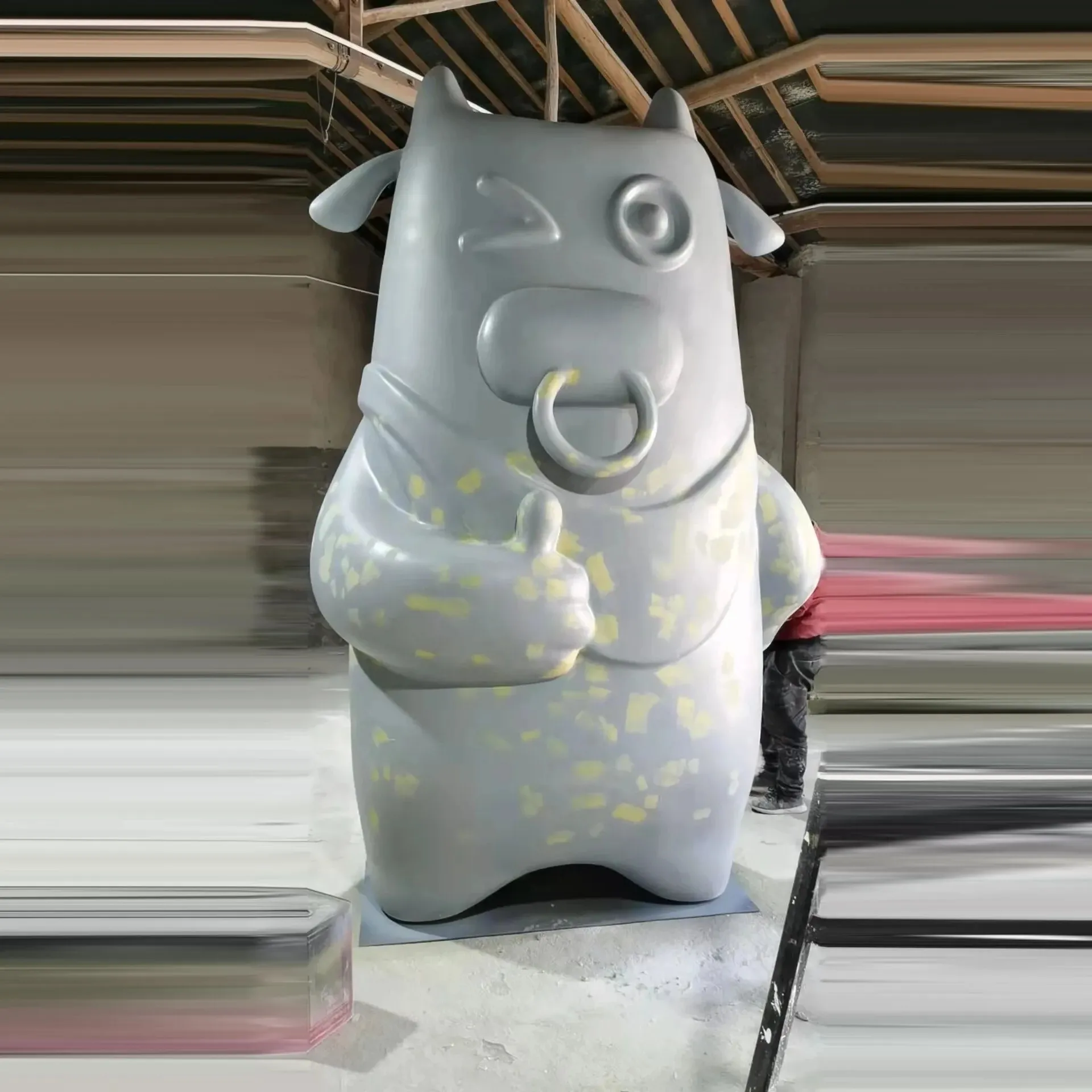
We sand the surface repeatedly for a flawless smooth finish, then apply primer to lay a solid base for painting.
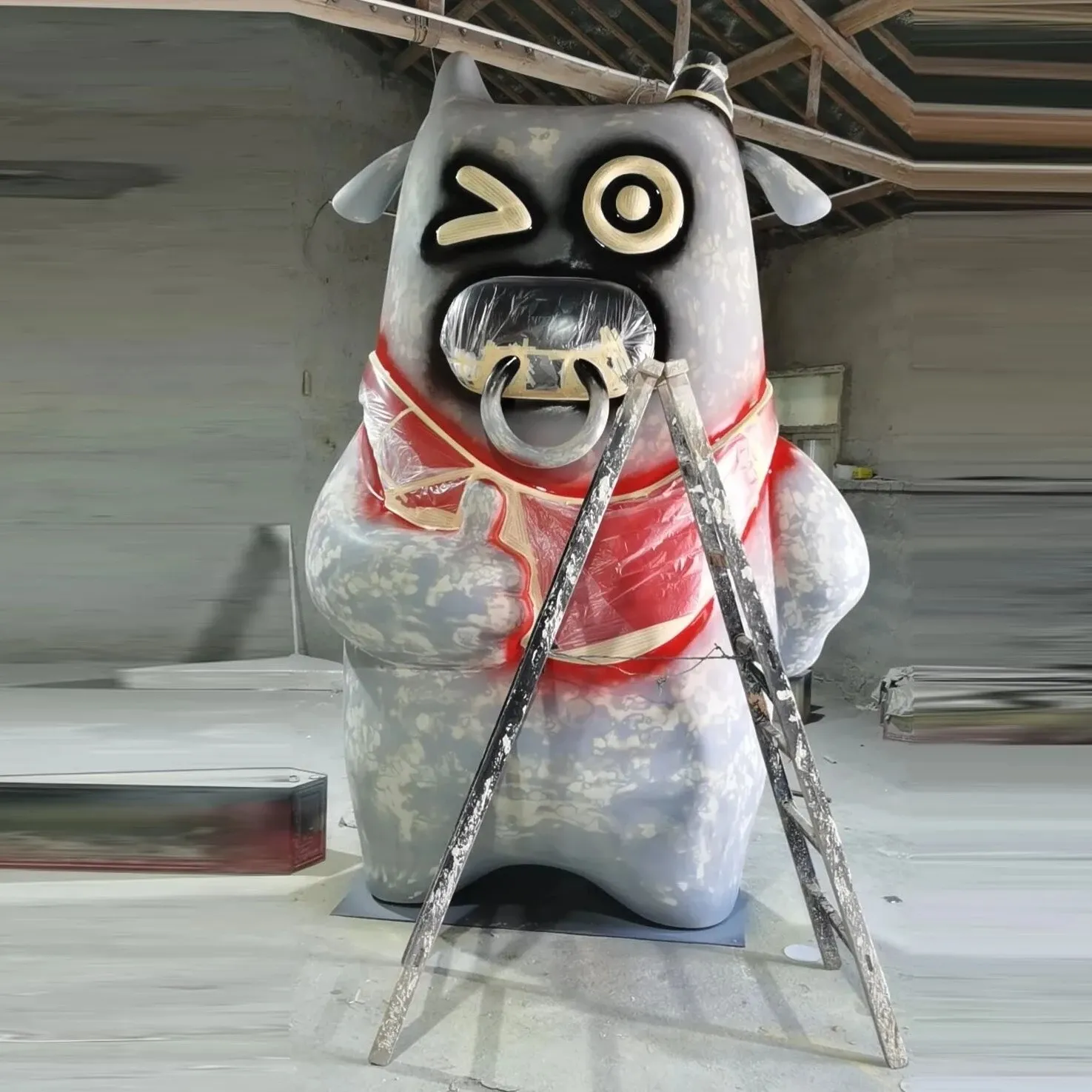
Our skilled artisans hand-paint the sculpture. We apply vivid colors and delicate patterns to bring the character design to life.
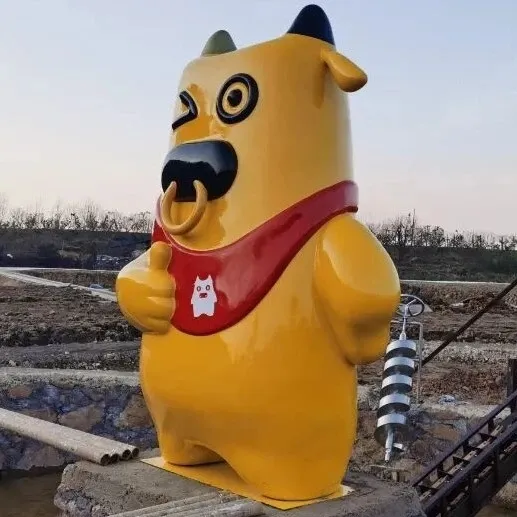
A transparent top clear coat is sprayed on. It boosts gloss and color performance, while protecting artwork from scratches and UV damage.
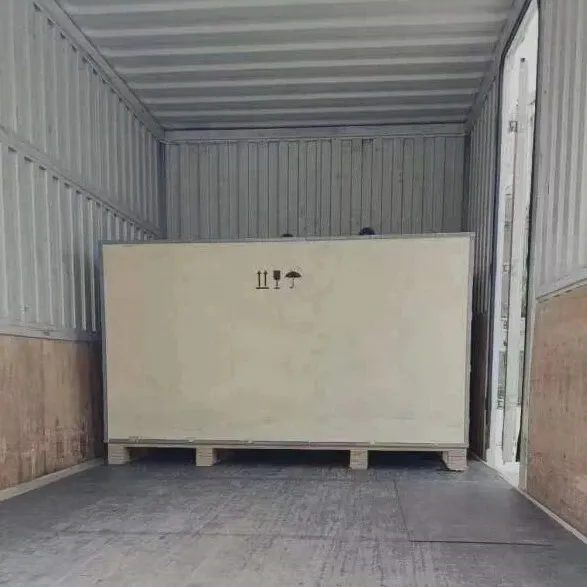
Life-size fiberglass sculptures are packed in custom plywood crates with foam cushioning inside, securing the piece for safe global shipment.
Fiberglass statue creations deliver a perfect balance between artistic vision and practical functionality. As fabrication techniques keep evolving and large‑scale public art gains greater recognition, fiberglass statues remain a prominent, ever‑evolving presence across fine‑art circles and commercial industries alike.
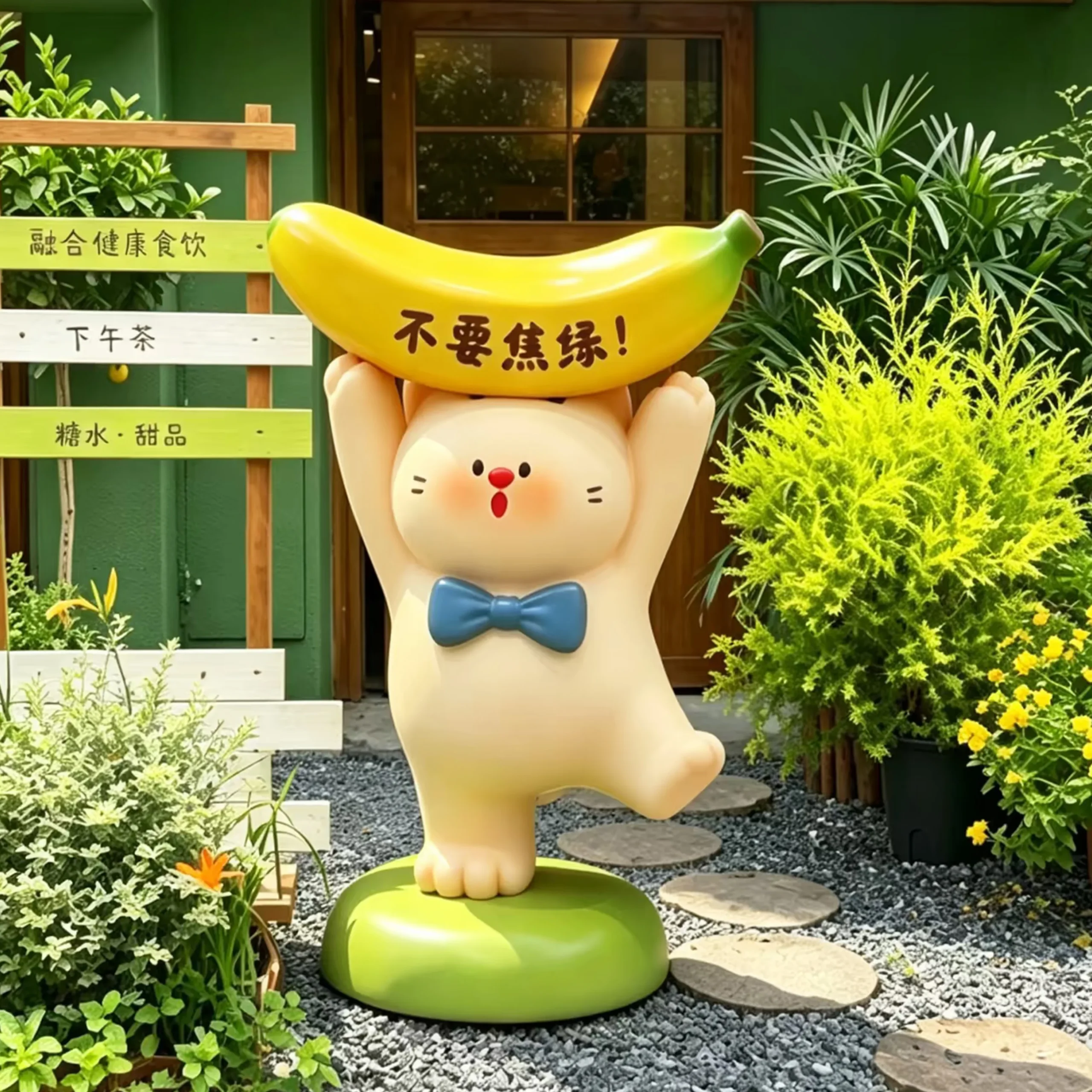
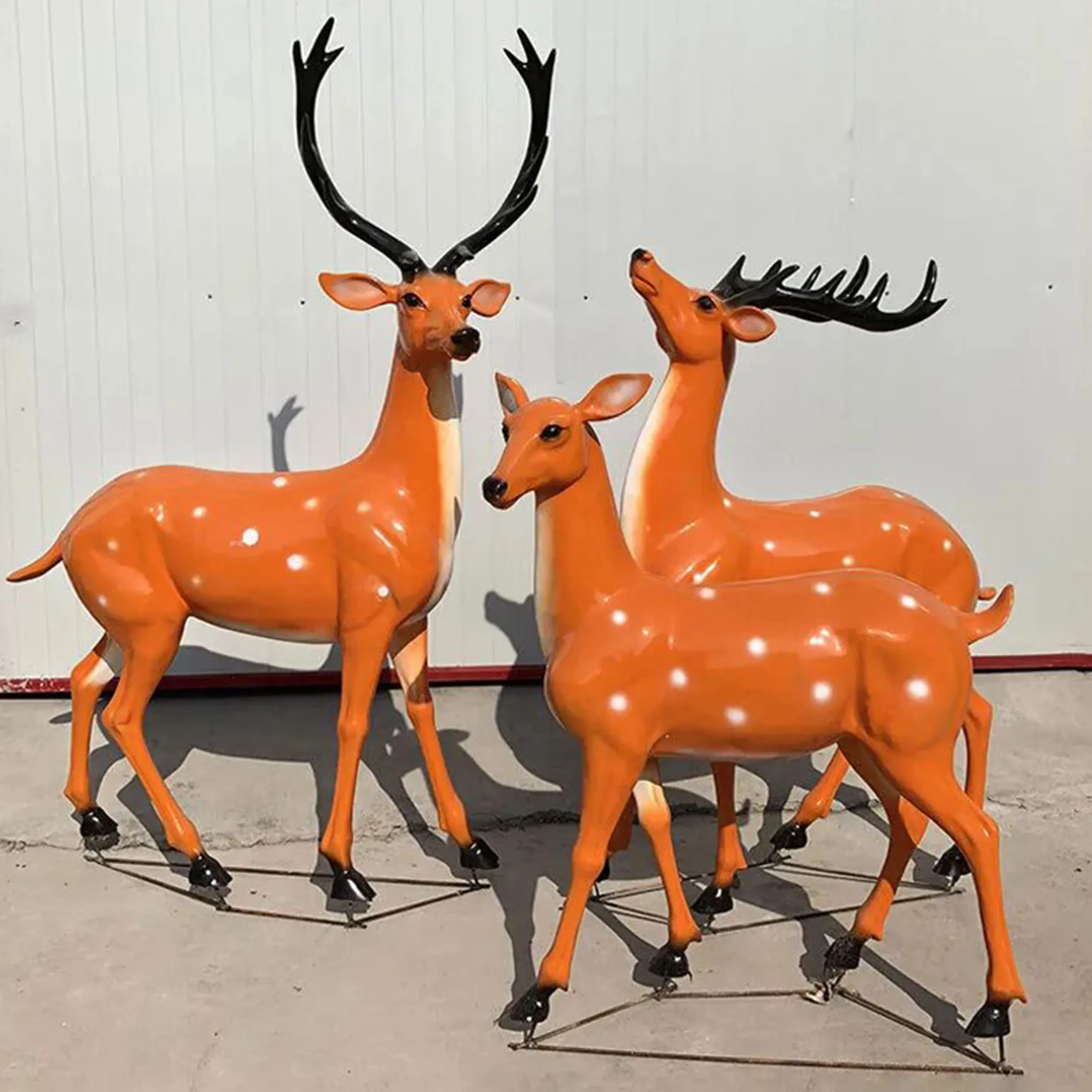
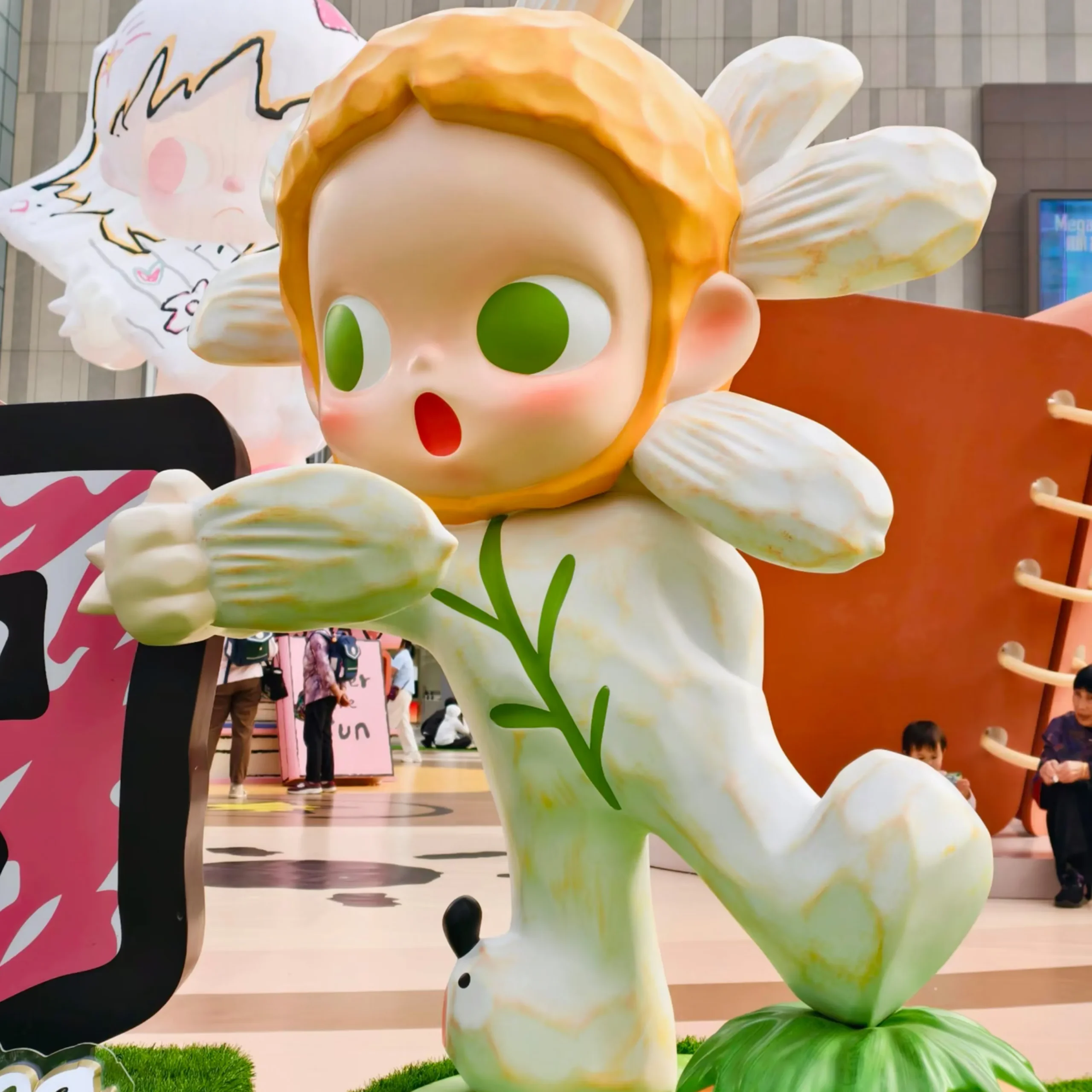
Fiberglass, or glass‑fiber reinforced plastic (GFRP), is a composite material made of glass fibers and resin matrix. It combines glass‑level hardness with plastic toughness and is widely used for sculpture manufacturing.
Fiberglass sculptures are life‑size art statues using synthetic resin as the matrix and glass fiber products as reinforcing materials.
The fiberglass sculpture workflow includes 3D modeling, foam model carving, mold making, sculpture casting, demolding, shaping, sanding, painting and varnish finishing.
Advantages:Lightweight & high strength, corrosion resistance, stable electrical and thermal performance, flexible design options and easy fabrication.
Disadvantages:Low elastic modulus, limited high‑temperature resistance over time, risk of aging, and relatively low interlayer shear strength.
The price depends on statue size, coloring requirements and shipping fees. A 1.2‑meter fiberglass statue generally costs $3500‑$5000 for production. Freight is calculated separately based on shipping method and destination. Final pricing is quoted against your detailed design requirements.