Address
304 North Cardinal
St. Dorchester Center, MA 02124
Work Hours
Monday to Friday: 7AM - 7PM
Weekend: 10AM - 5PM
Address
304 North Cardinal
St. Dorchester Center, MA 02124
Work Hours
Monday to Friday: 7AM - 7PM
Weekend: 10AM - 5PM

Custom Figure Factory
Custom Figure Factory
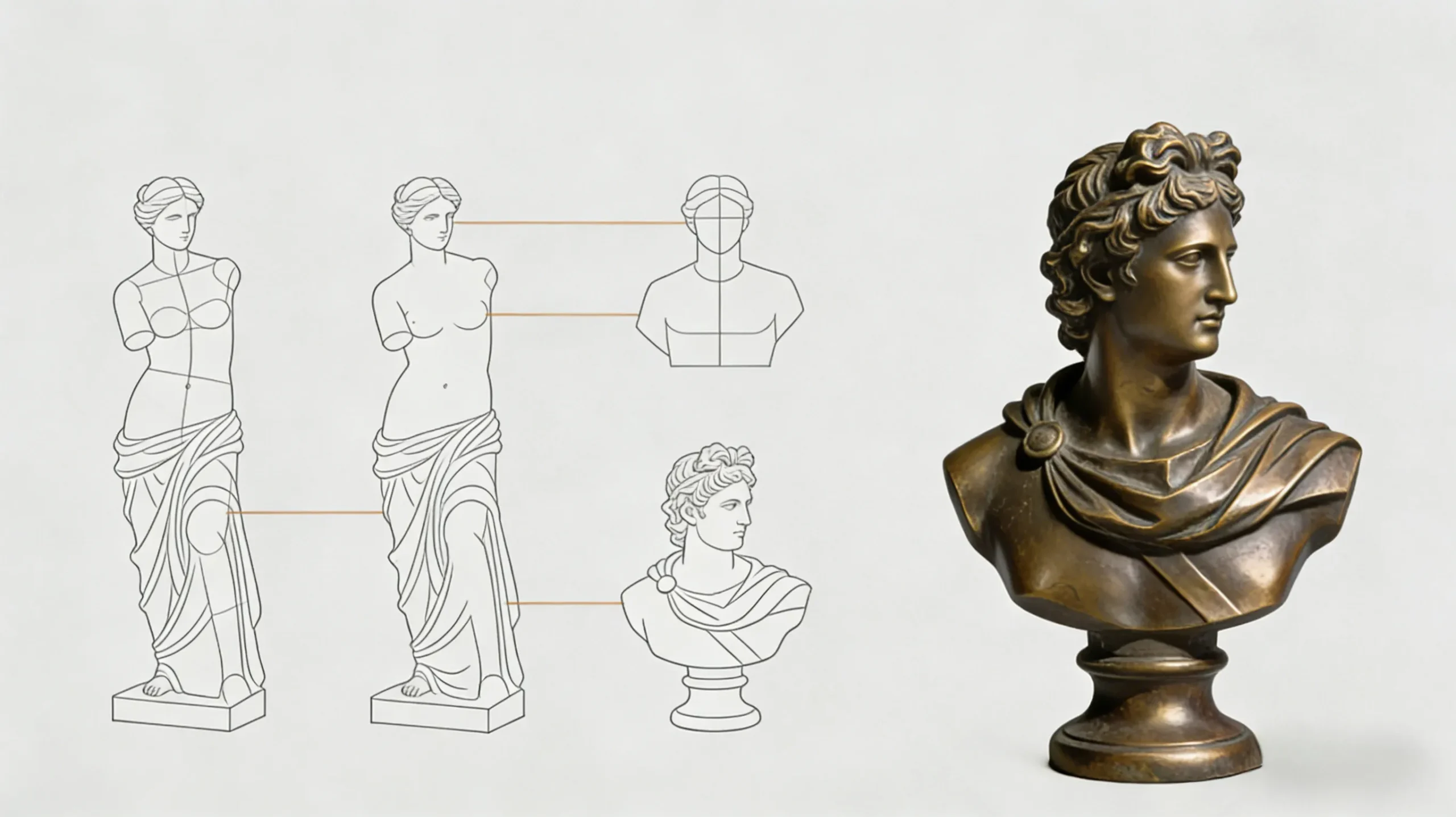
Fiberglass is a composite material made with synthetic resin as the matrix and glass fiber and its products as reinforcement. It is lightweight, corrosion-resistant, cost-effective, and highly malleable. So, how exactly is a complete fiberglass statue made?
The mold determines the final form of the fiberglass statue, with three steps:
1.1 Making the Model:
Sculpt a preliminary shape with clay/foam (or wood for high precision) based on client drawings, then finalize it after client confirmation. This final shape is the “model.”
1.2 Making the Plaster Mold:
A one-time mold made from clay/foam models, suitable for 1-2 samples or small-batch trial production.
1.3 Making Fiberglass Molds:
Directly cast from wooden models, durable for long-term use and mass production (about 100 pieces).
Apply gel coat evenly on the mold. When semi-dry, lay fiberglass cloth and brush resin to saturate it. Repeat “lay cloth—brush resin” until reaching the required thickness, forming the basic shape of the fiberglass statue.
Remove the cured blank from the mold (demolding). Cut, sand and trim edges/joints to make the shape regular and lines smooth.
Finely sand, repair and correct the sample made from plaster molds, then re-cast it into a fiberglass mold for stable mass production of the fiberglass statue.
Repeat “making the blank—demolding—trimming” strictly to ensure consistent size, thickness and appearance of all products.
Follow these simple steps:
6.1 Sand with 180# sandpaper, remove release wax, and fill imperfections with putty.
6.2 Sand with 220# sandpaper, apply the first primer, and repair remaining flaws after drying.
6.3 Sand with 360# sandpaper, apply the second primer, and repair minor flaws with red putty.
6.4 Sand until smooth, apply automotive topcoat and let it dry naturally.
6.5 Inspect after drying, transfer client logo/pattern, and apply clear varnish to improve durability of the fiberglass statue.
Conduct final quality inspection after paint dries. Package professionally if no defects, then ship.
A complete fiberglass statue is now finished. Every step determines its precision, texture and lifespan, ensuring high quality.
