Address
304 North Cardinal
St. Dorchester Center, MA 02124
Work Hours
Monday to Friday: 7AM - 7PM
Weekend: 10AM - 5PM
Address
304 North Cardinal
St. Dorchester Center, MA 02124
Work Hours
Monday to Friday: 7AM - 7PM
Weekend: 10AM - 5PM
Custom Figure Factory
Custom Figure Factory
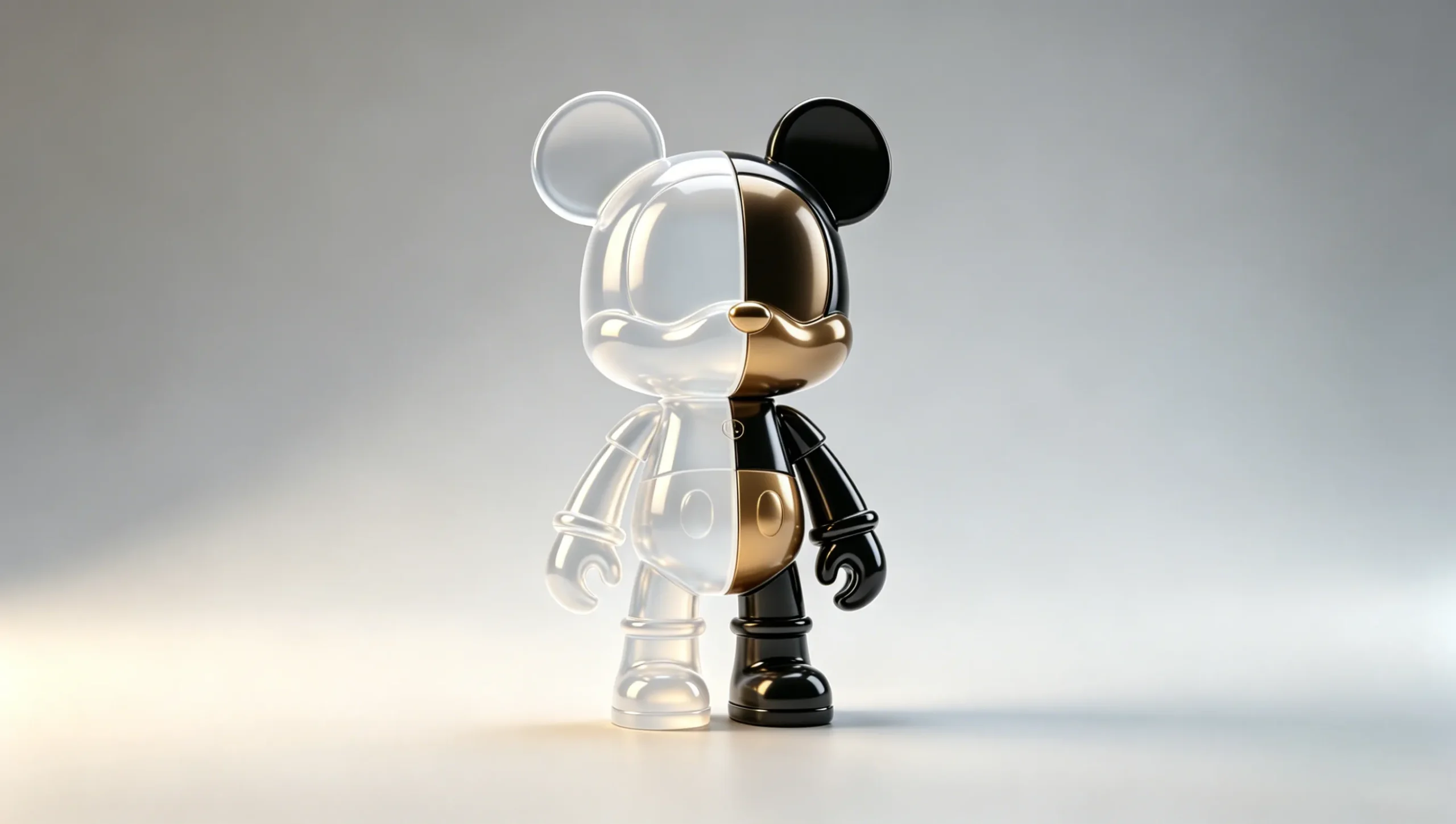
In the hobby of designer toy collecting, a figure’s collectible value is shaped long before you admire its sculpt and paintwork. While detailed modeling and hand-finished paint define its visual appeal, the core material forming the toy’s body dictates its texture, long-term durability, aging resistance, and even its unique artistic vibe. Collectors regularly come across industry terms: PVC, ABS, PU resin, vinyl, and Sofubi. Though these materials are often mentioned interchangeably, each boasts distinct physical traits, collectively forming the full material spectrum for modern designer toys. To truly tell them apart, we first need to untangle a core definition: what is the link between plastics and resins?
I. Plastics & Resins: Two Interconnected General Categories
By formal definition, plastic refers to moldable materials produced using synthetic resin as the base raw material, blended with various functional additives. Resin, in its broadest sense, describes any polymer that acts as the foundational feedstock for plastic manufacturing. Simply put: resin is the raw ingredient, while plastic is the finished manufactured product.
That said, the toy industry applies narrower, industry-specific definitions. When collectors reference “resin toys”, they nearly always mean PU resin (polyurethane). The term “plastic toys”, meanwhile, primarily covers thermoplastics such as PVC and ABS. This classification hinges on a fundamental manufacturing divide: thermoplastic injection molding versus room-temperature cold casting.
Thermoplastic production uses solid plastic pellets, which are heated until molten, injected into precision metal molds, then cooled and solidified to form products—PVC and ABS are the leading representatives of this process. Cold casting, by contrast, mixes two liquid resin components that harden naturally at room temperature inside silicone molds, with PU resin being its iconic material. This single difference in processing temperature creates an uncrossable line, directly determining production scale, overall manufacturing costs, and the limits of artistic detail creators can achieve.
II. The Thermoplastic Pair: PVC & ABS, A Perfect Industrial Match
PVC: The Mass Market Workhorse of Designer Toys
PVC is the undisputed staple material for mainstream designer toys. It boasts strong resistance to acids, alkalis and moisture, balanced flexibility, light weight, and most importantly, cost efficiency. From vintage textured vinyl collectibles to today’s omnipresent blind box figures, PVC remains the go-to material for toy main bodies.
Yet PVC carries inherent drawbacks: it cannot withstand high heat. Pure PVC items will gradually yellow, warp, or leach plasticizer oils after years of display. To offset this structural weakness, manufacturers integrate rigid internal frames made from ABS.
ABS: The Sturdy Structural Backbone
ABS is a copolymer synthesized from acrylonitrile, butadiene and styrene, combining exceptional hardness, impact resistance and structural rigidity. It performs reliably across wide temperature ranges and supports easy post-production modifications like cutting, drilling and electroplating.
On any human-scale art toy, load-bearing leg segments, head-support neck joints, and sharp-edged weapon accessories are almost exclusively molded from ABS. In fact, nearly all commercial blind box figures and scale statues adopt a composite construction: a flexible PVC outer shell reinforced with an internal ABS skeleton. This hybrid design strikes a seamless balance between low production costs, articulated playability, and long-term structural stability.
Two Unique PVC Craft Variants: Vinyl & Sofubi
Within the PVC material family, two specialized molding techniques deliver drastically different tactile experiences: traditional vinyl dipping molding and Japanese Sofubi soft vinyl molding. Both rely on PVC as their base material yet follow entirely separate production workflows.
The Core Limitation of PVC & ABS: High-Cost Metal Molds
All thermoplastic production relies on metal molds (steel or copper), which carry steep upfront costs. Even a basic injection mold set can run tens of thousands of dollars, while ultra-precise molds for brands like LEGO cost tens of thousands of euros. Metal molds also require lengthy lead times for fabrication and constant maintenance fees.
To recoup this heavy initial investment, manufacturers must run minimum production batches of 2,000 to 3,000 units. This economic reality locks PVC and ABS into mass-market industrial production, built around standardized manufacturing and large-volume output.
III. Cold-Cast Art Medium: The Handcrafted Charm of PU Resin
When toy creation shifts from automated factory lines to independent artist studios, PU resin emerges as the material of choice. Hailed as the “sixth major plastic”, cured polyurethane outperforms PVC and ABS in toughness and durability. It resists oil seepage under sunlight, holds its shape without warping, and features a smooth, warm texture reminiscent of ivory. Its unparalleled detail reproduction capability captures every subtle texture—fine hair strands, skin creases, intricate hollow structures—with pixel-perfect precision, a dream feature for sculpting artists.
PU resin’s magic stems from its simple room-temperature curing process. No heating equipment is required: creators mix two liquid components (Part A and Part B) and pour the blend into affordable silicone molds to set. Silicone molds cost a fraction of metal injection molds, making small-batch artistic releases financially feasible for independent designers.
This creative freedom comes with clear tradeoffs. Silicone molds have an extremely short service life, wearing out after just a dozen casts before they lose detail. Freshly demolded resin blanks show natural minor inconsistencies in shape and surface texture, ruling out automated assembly-line painting. Every single resin piece demands manual sanding, surface refinement and fully hand-painted detailing. The raw PU resin material itself carries a higher per-unit price tag, and cured resin is hard yet brittle, requiring careful handling during production and collection.
For all these reasons, the unit cost of a PU resin art toy far surpasses mass-produced PVC figures. It remains reserved for limited-edition artist collectibles, designer exclusives and GK garage kit statues. Each resin piece bears the unique warmth of hand craftsmanship, with tiny one-off imperfections that make every specimen utterly irreplaceable.
IV. Matching Materials to Creative Vision
There is no universally “perfect” toy material—only the optimal option aligned with a creator’s artistic goals.
If a designer aims to make their art accessible to broad audiences and craft affordable daily collectibles, PVC and ABS deliver unbeatable industrial efficiency. Manufacturers accept minor manufacturing marks like parting lines and gate blemishes to recreate complex sculptural forms at a consumer-friendly price point.
When an artist chases ultimate artistic expression, willing to overlook cost constraints to fully capture a fleeting creative vision, PU resin stands as their ideal medium. Its soft warm texture and microscopic detail retention transform a simple toy into a tangible miniature sculpture.
Learning to distinguish plastics and resins ultimately means understanding the production logic and artistic intent hidden behind every designer toy. Next time you hold a collectible figure, the texture beneath your fingers tells its material story: the flexible give of PVC, the unyielding firmness of ABS, or the smooth porcelain-like calm of cured PU resin. The material silently reveals its manufacturing origin and hints at how well it will hold up over years of collection. This quiet, tangible layer of material knowledge is one of the most underrated yet deeply satisfying joys of collecting designer art toys.
