Address
304 North Cardinal
St. Dorchester Center, MA 02124
Work Hours
Monday to Friday: 7AM - 7PM
Weekend: 10AM - 5PM
Address
304 North Cardinal
St. Dorchester Center, MA 02124
Work Hours
Monday to Friday: 7AM - 7PM
Weekend: 10AM - 5PM

Custom Figure Factory
Custom Figure Factory
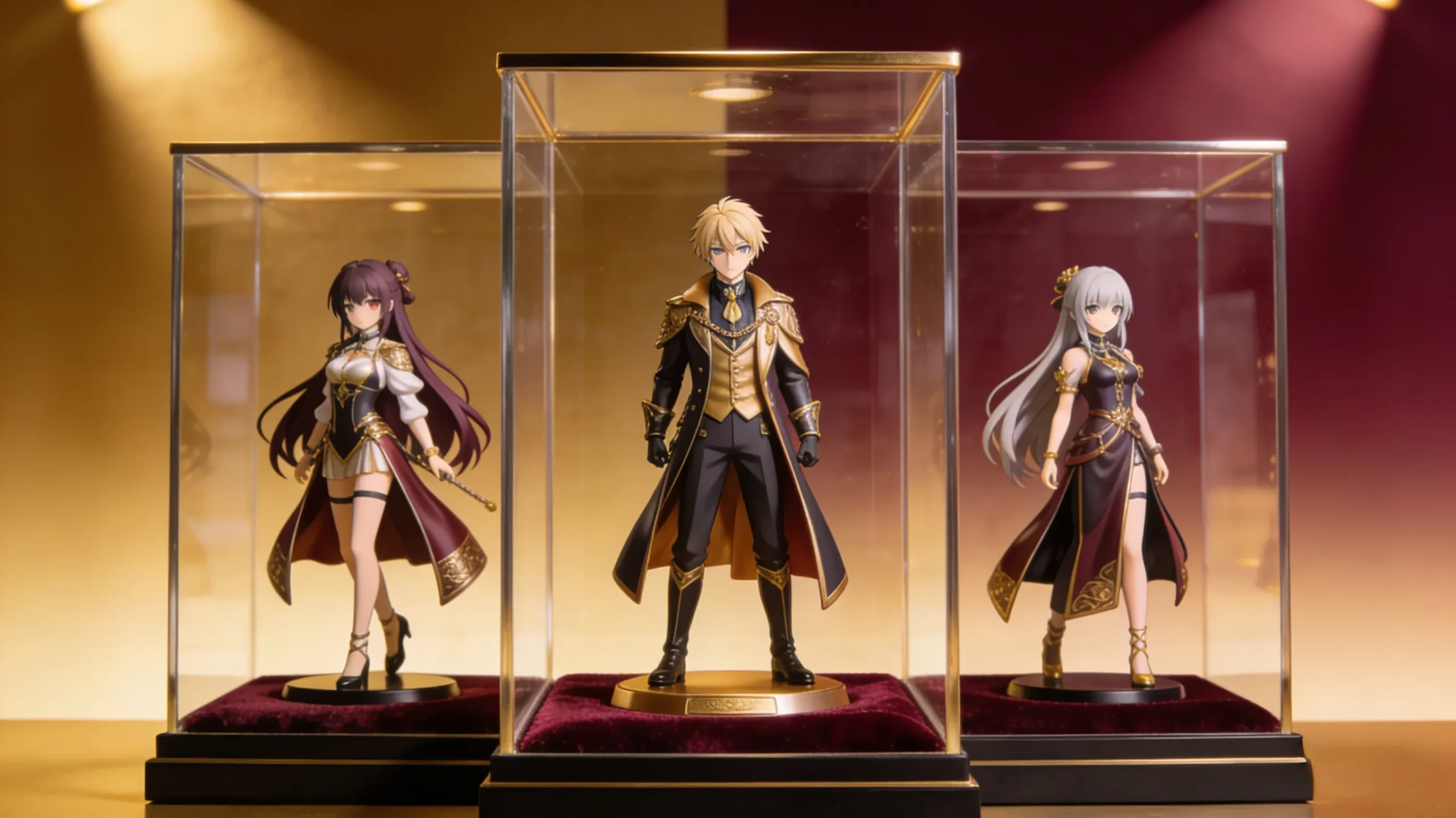
Anime figures are three-dimensional collectible models made based on characters from anime, games, movies, and other works. They are generally made of materials such as PVC, ABS, and resin, striving for high-precision modeling and high fidelity, embodying fans’ love for the characters and works.
However, many people ask: “They’re just little plastic figures, so why are genuine anime figures generally so expensive?” The real reasons are mainly these three:
Many people think that figures are just “made with a mold and filled with plastic,” which is actually the biggest misunderstanding about genuine anime figures. From prototype design, 3D modeling, refinement, molding, assembly to painting, a large number of steps in making genuine anime figures rely on manual labor, especially painting and detail finishing, which require extremely high aesthetic and technical skills from illustrators and sculptors. There are often examples in the industry: just to reproduce a character’s flowing hairstyle, a sculptor may have to revise repeatedly for months before finalizing the design. Maintaining consistently high quality across every single figure makes mass production at low cost, unlike the mass production of everyday consumer goods.
Furthermore, authentic anime figures are mostly produced on demand and released in limited quantities, not through indiscriminate overproduction. Once sold out and no longer available, anime figures enter the collector’s market where “scarcity drives up value,” which is why many older anime figures continue to increase in price. Those cheaply made figures that can be bought for a few dozen dollars are mostly unauthorized pirated copies, operating on a completely different cost basis.
The character images used in anime figures constitute commercial use, requiring licensing fees to be paid to the copyright holders. Many major Japanese figure manufacturers are deeply integrated with animation studios and copyright holders; the price you pay for a figure already includes copyright costs. This is the core reason why pirated products can be sold so cheaply—they completely bypass copyright restrictions, using character images at zero cost.
For true anime fans, buying authentic figures is not just buying a model; it’s supporting the original work through concrete actions. The better the merchandise sales, the higher the popularity of the work, and the greater the likelihood of a second season or sequel. This support itself is part of the meaning of collecting anime figures.
Many people think, “Figures are just plastic figurines, with very low costs.” But the value of an item can never be determined solely by its raw materials. The significance of anime figures lies in transforming two-dimensional characters into tangible, three-dimensional entities, essentially bringing favorite characters “to life.” They embody fans’ love, memories, and sentiments towards the work; they represent a spiritual fulfillment and dream come true.
Like many things, the materials themselves are not expensive, but the design, craftsmanship, copyright, emotion, and scarcity combined constitute its true value. Ultimately, the “expensiveness” of anime figures isn’t just about the plastic, but about the craftsmanship, copyright, passion, and an irreplaceable youthful sentiment.
