Address
304 North Cardinal
St. Dorchester Center, MA 02124
Work Hours
Monday to Friday: 7AM - 7PM
Weekend: 10AM - 5PM
Address
304 North Cardinal
St. Dorchester Center, MA 02124
Work Hours
Monday to Friday: 7AM - 7PM
Weekend: 10AM - 5PM

Custom Figure Factory
Custom Figure Factory
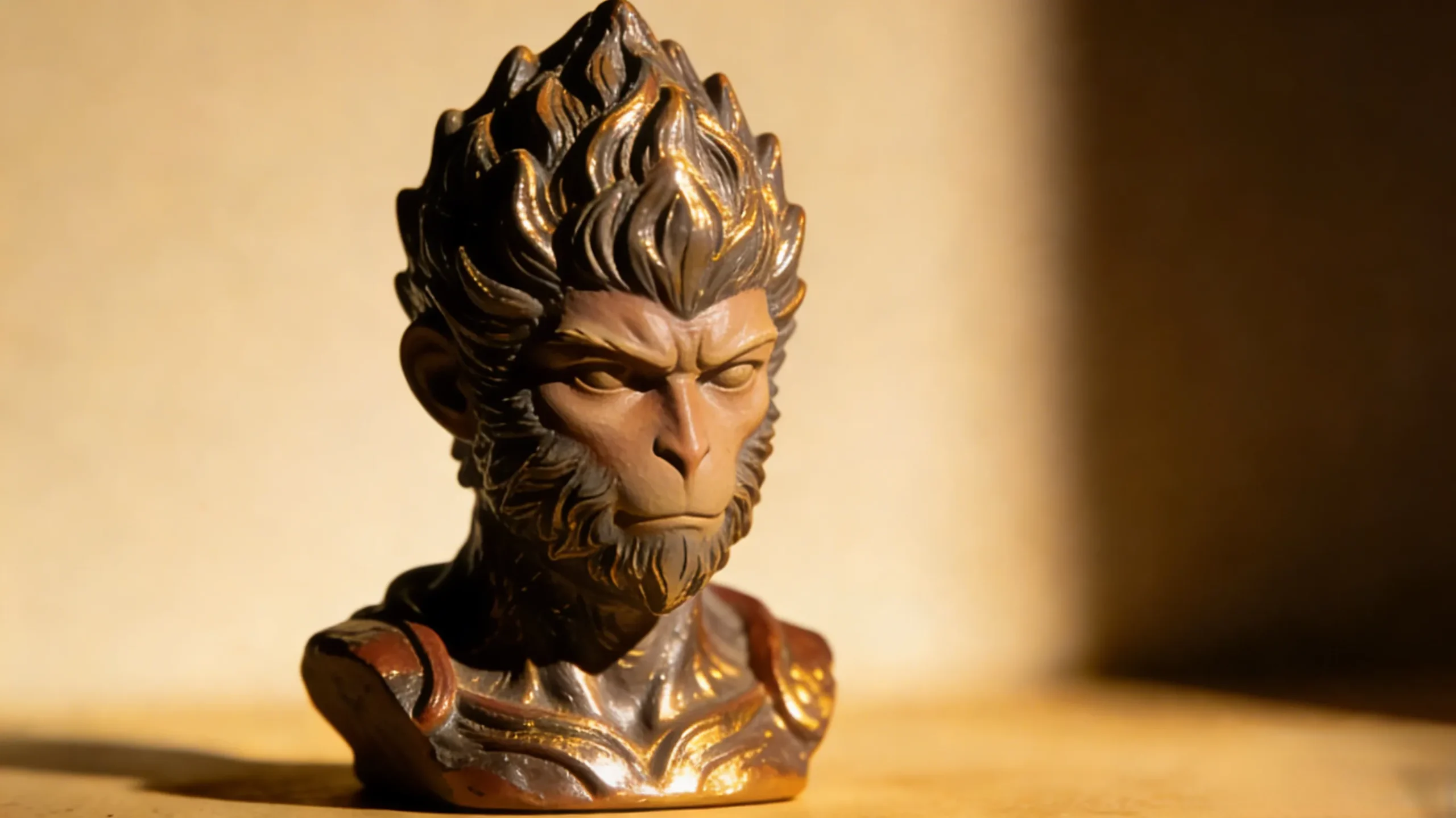
In the art toy industry, resin sculptures are high-precision miniature crafts based on anime, movie, and game characters. With their exquisite details and colors that perfectly capture the characters’ expressions, they have become high-end collectibles sought after by art toy enthusiasts and artists, possessing both aesthetic appeal and collectible value.
The core quality of resin sculptures depends on the materials. The industry primarily uses two core materials: polyurethane (PU) and polystone, each with distinct properties and suited to different needs.
Polyurethane (PU) is the mainstream material for GK models; “HEI-CAST resin” belongs to this category and must be mixed with component A and component B in a 1:1 weight ratio. It boasts high plasticity, high detail reproduction, a delicate feel, and rich colors, meeting the demands of high-end sculptures.
Polystone is an artificial stone material made from a mixture of resin and stone powder. It is heat-resistant, has high hardness, strong stability, and is not prone to fading or deformation, making it suitable for creating collectible sculptures for long-term preservation.
High-quality resin sculptures require five standardized production processes, each with strict precision control, as follows:
Silicone molds are used. Due to the complex structure of the sculpture, it is necessary to create a mold by disassembling the sculpture. A clay or wax prototype is first made for replication. The lifespan of a silicone mold is no more than 30 uses; for mass production, multiple molds are needed.
Without heating, liquid resin is poured into the silicone mold and fixed. After standing for about 20 minutes to solidify, the mold is removed, and the white or colorless blank part is taken out.
The rough blank is sanded with a grinder or sandpaper to remove burrs and splicing marks, making the surface smooth, preparing it for painting.
Paints, acrylics, and other pigments are used with professional tools for painting. Due to the intricate details of the sculpture, the maker’s hand-painting and painting skills are extremely demanding, requiring accurate reproduction of the character’s colors and textures.
Gently assemble the painted parts to avoid damage. After checking for any defects, place them in a beautifully packaged box for protection before shipping.
